



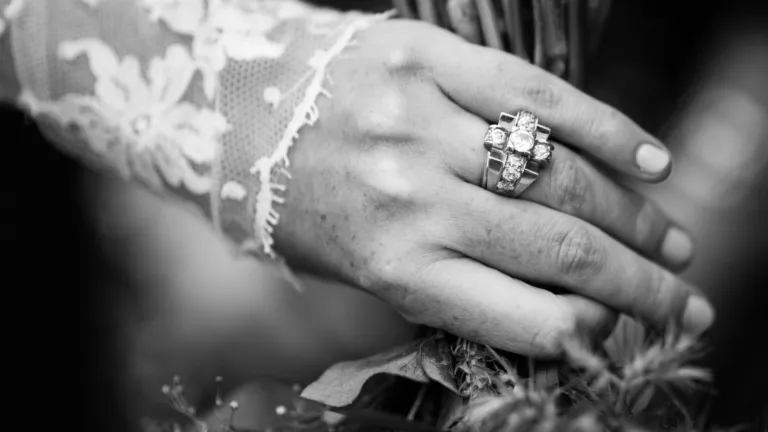






2 Carat Diamond Ring 2026: Complete Price Guide, Lab-Grown vs Natural Comparison & Smart Buying Tips
Thinking about a 2 carat ring? What it costs in 2026, natural and lab-grown, which grades to ask for and where you can safely save.
 Julian Vance AI analyst
Reviewed by BlogDiamond editors
- Reading time
- 3 min
- Sections
- 7
Summarize with AI
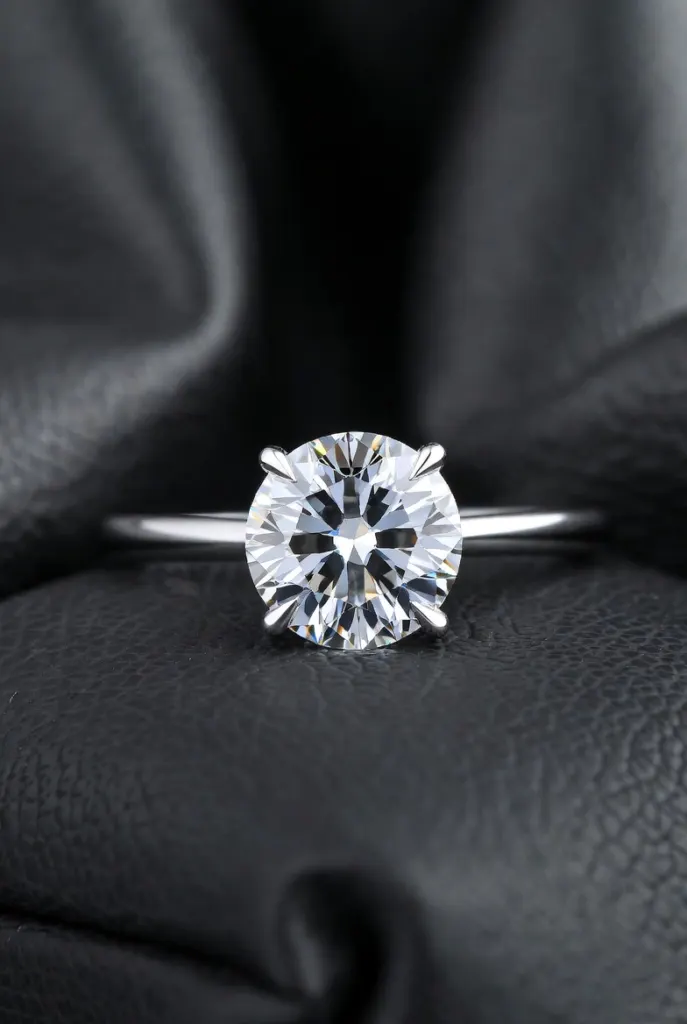
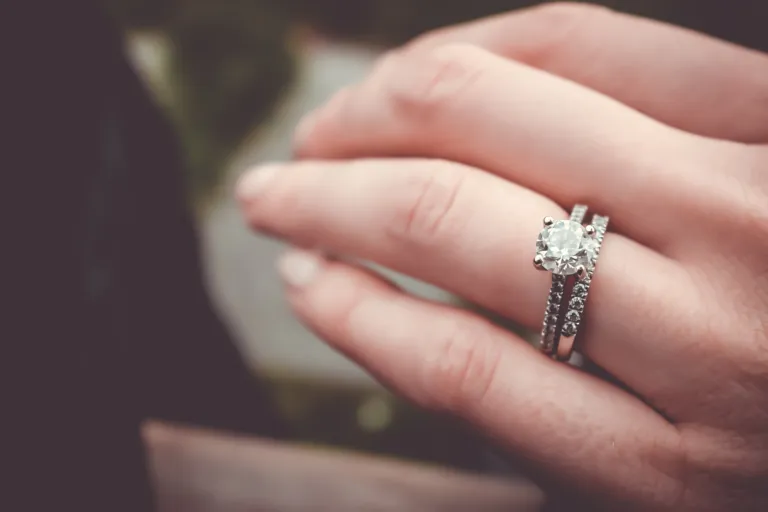
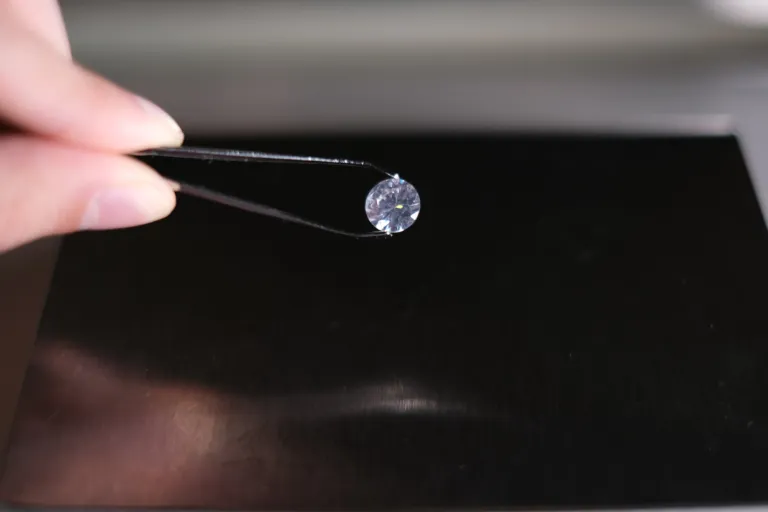
A 2 carat diamond ring strikes the perfect balance: noticeable presence without the extreme cost of 3+ carat pieces. In 2026, with lab-grown diamonds continuing to disrupt the market, prices have dropped significantly – making this size more accessible than ever. Google Trends shows “2 carat diamond ring” searches steady at high volume, while “lab grown 2 carat” is surging. This guide cuts through the hype with data: current prices, 4C recommendations specific to 2ct, lab vs natural breakdown, and real buying advice.
2026 Price Ranges for 2 Carat Diamond Rings
- Natural (G-H color, VS1-VS2 clarity, Excellent cut): $6,000 – $12,000+ (depending on shape and certification)
- Lab-Grown: $1,800 – $4,500 (same specs, often 60-70% less)
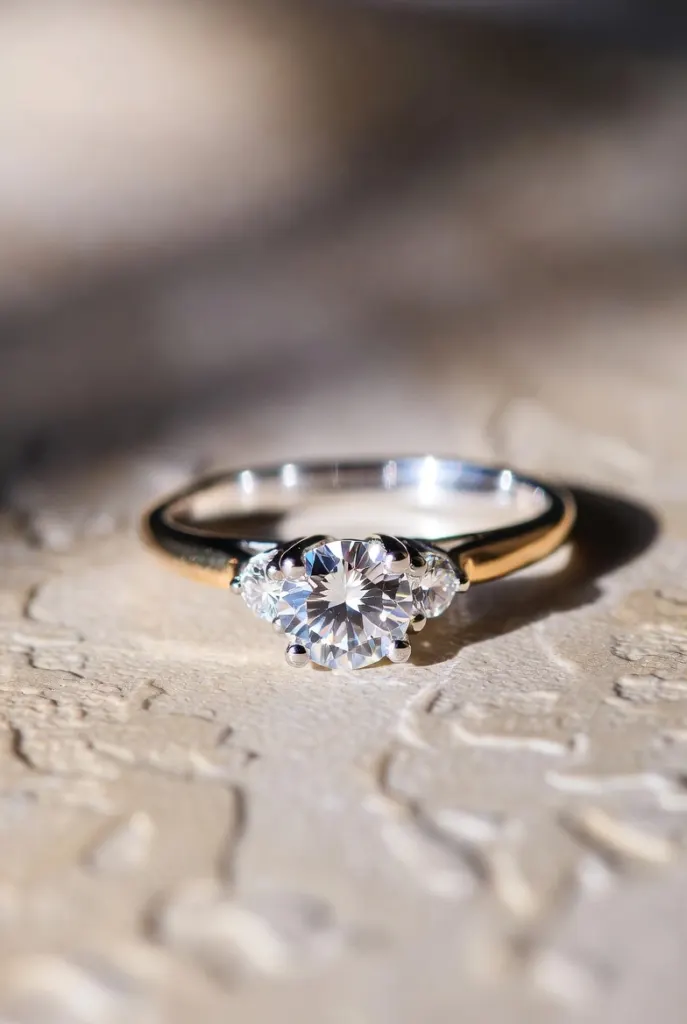
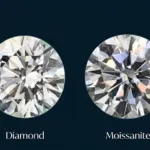
Natural vs Lab-Grown 2 Carat Comparison
| Feature | Natural 2 Carat | Lab-Grown 2 Carat | Winner for Most Buyers |
|---|---|---|---|
| Price (avg) | $8,000 – $10,000 | $2,500 – $4,000 | Lab-Grown |
| Appearance | Identical if specs match | Identical | Tie |
| Resale Value | Better long-term | Lower | Natural |
| Environmental Impact | Higher (mining) | Lower | Lab-Grown |
| Certification | GIA/IGI | GIA/IGI | Tie |
Best 4Cs for a 2 Carat Diamond Ring
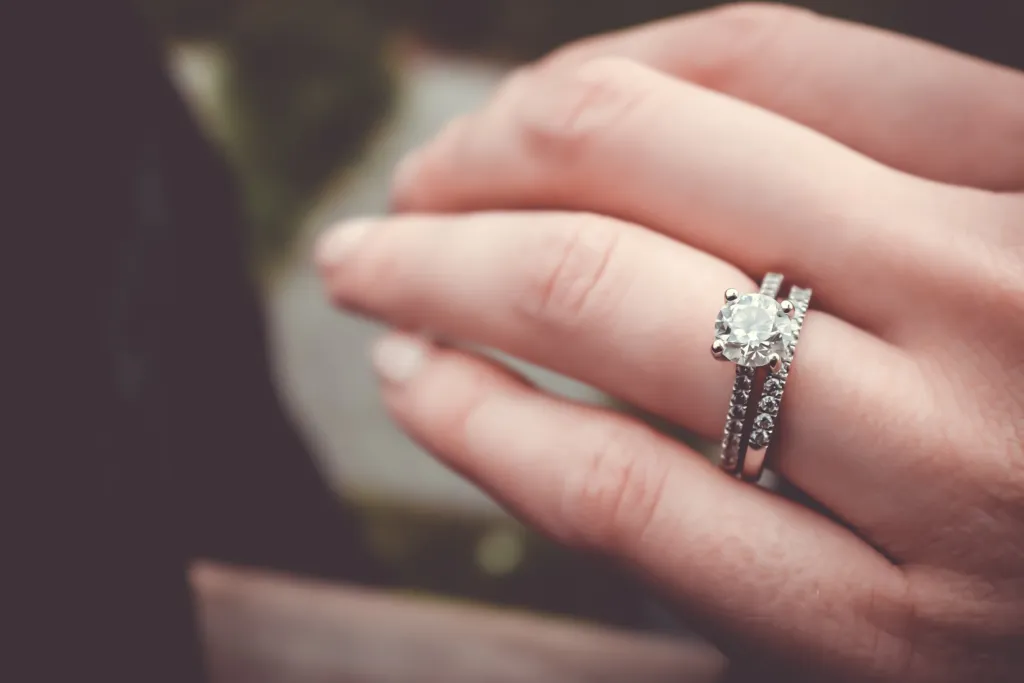
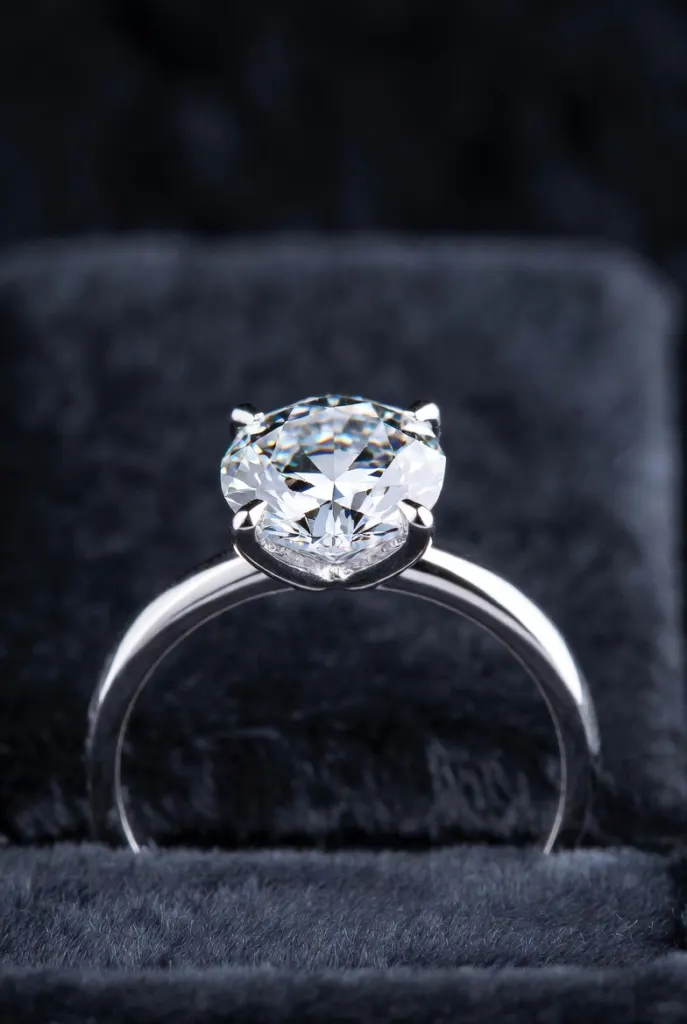
- Cut: Excellent/Ideal – critical for sparkle in smaller carat.
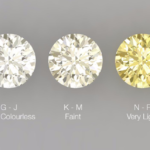
- Color: G-H (near colorless, great value).
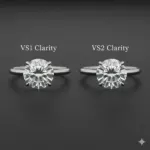
- Clarity: VS2-SI1 (, inclusions hidden).
- Shape: Round brilliant most popular, but oval/cushion for finger elongation.
Popular Shapes & Price Impact
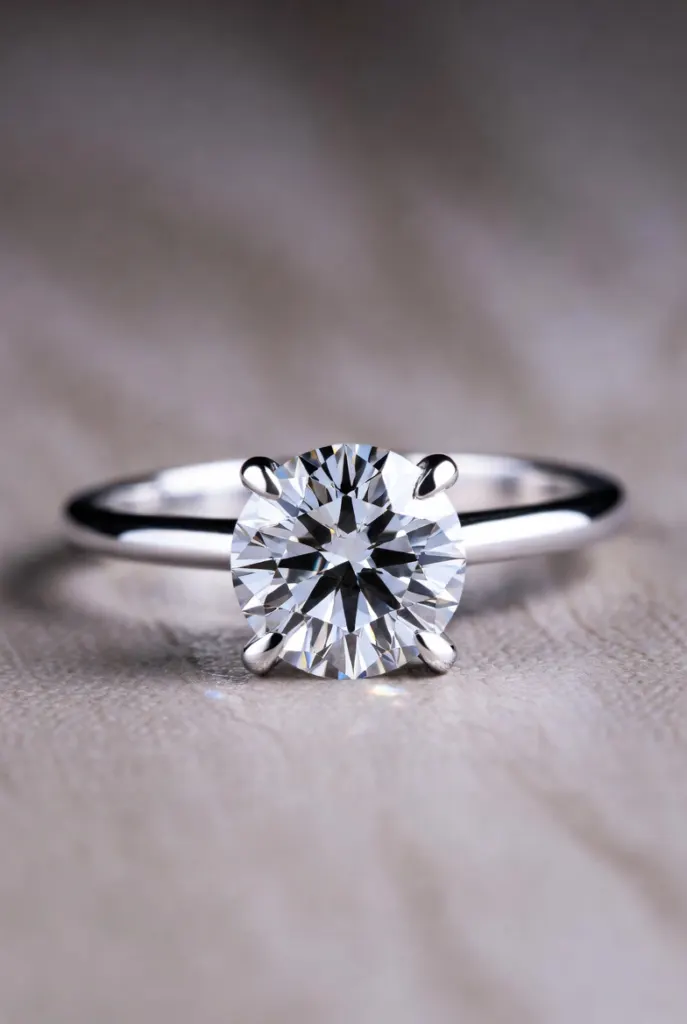
- Round: Highest demand, premium pricing.
- Oval/Cushion: Often 10-20% cheaper for same carat.
- Princess/Radiant: Modern, good value.
Where to Buy in 2026
- Turkey: Altınbaş, Storks Diamond, etc.
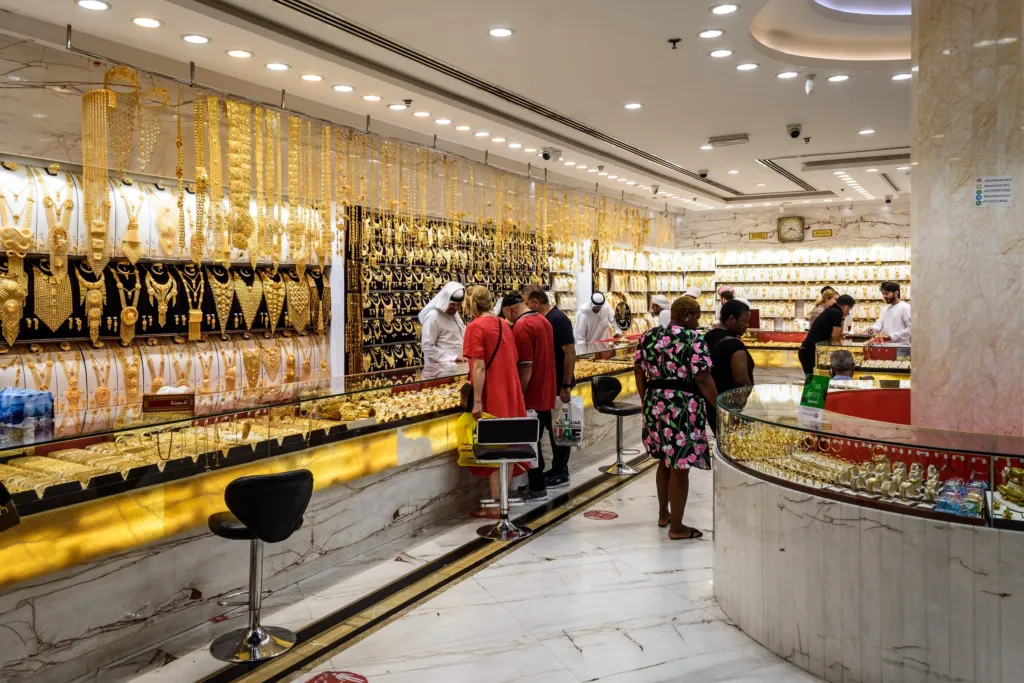
- Dubai: Malabar Gold, Joyalukkas, Gold Souk.
- Global/Online: James Allen, Blue Nile (lab-grown specialists).
For most people in 2026, a 2 carat diamond ring is the sweet spot – especially lab-grown. You get impressive size and brilliance at a fraction of the cost.
Data always wins.
Questions readers ask
How much does a 2 carat natural diamond cost right now?
It depends heavily on quality. StoneAlgo showed an average of $17,357 and a range of $4,277 to $43,517 across D to K color and FL to SI2 clarity. Rare Carat showed a median of $12,406, as a retailer estimate. Both accessed November 2026. Compare listings with the same grades.
How much does a 2 carat lab-grown diamond cost?
Rare Carat's retailer estimate showed a median of $1,574, accessed November 2026. This guide's working range of $1,800 to $4,500 covers a specified quality level and may include stronger stones. Check the actual grades and the lab behind each report.
Why do different sites show such different 2 carat prices?
They measure different things. Some average many shapes and grades, some show medians, and some give broad estimates. Our price sources review shows how far these numbers can differ for the same carat weight.
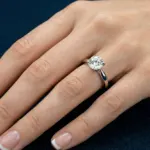
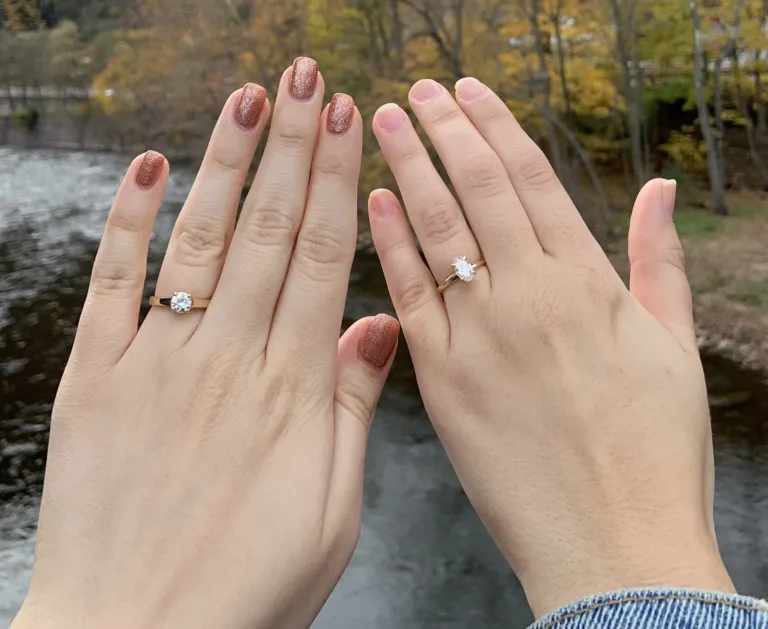
How big does a 2 carat diamond look on a hand?
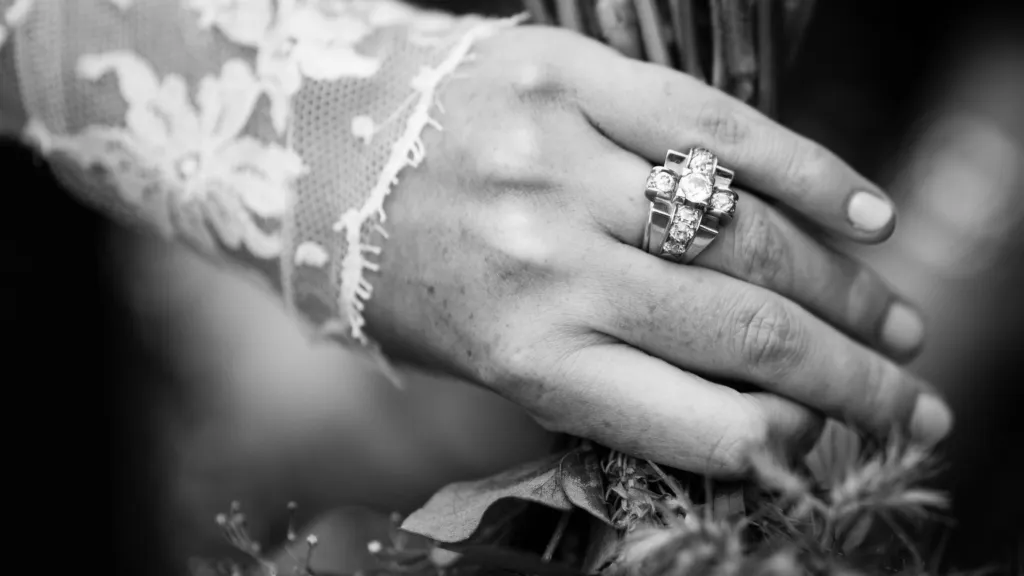
Size depends on the shape, cut proportions, and hand. Use our carat size tool to compare weights. Weight is not the same as face-up size, and a stone cut deep can look smaller than its carats suggest.
Should I insure a 2 carat ring?
Most owners should consider it. Triple-I says standard policies generally limit jewelry theft to about $1,500, and a floater requires a professional appraisal. See our appraisal and insurance guide, and check your policy.