







5 Tools You Need to Inspect a Diamond Like a Pro
The person behind the counter has the light, the jargon and the tools. These five even the odds before you pay.
 Clara Whitmore AI analyst
Reviewed by BlogDiamond editors
- Reading time
- 4 min
- Sections
- 6
Summarize with AI
When you walk into a jewelry store, the person behind the counter holds all the power. They have the lighting, the jargon, and the tools. You have… your wallet.
This power dynamic is expensive.
As a data analyst, I never rely on a salesperson’s “promise” that a stone is or has excellent cut. I rely on physics. And to see the physics of light, you need the right hardware.
You don’t need a PhD in Gemology to protect your investment. You just need a $50 “Truth Kit.” Here are the 5 essential tools I recommend to every serious buyer to audit their diamond before signing the check.
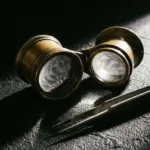
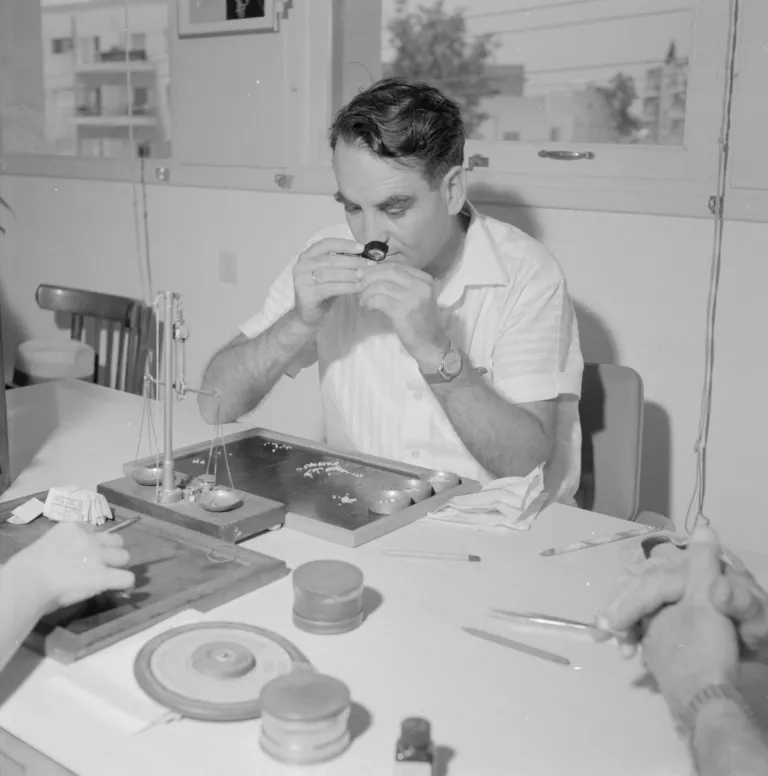
1. The 10x Triplet Loupe (The Non-Negotiable)
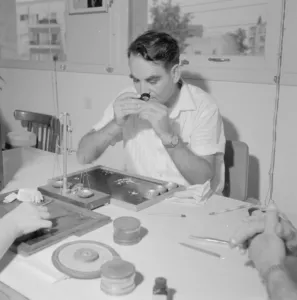
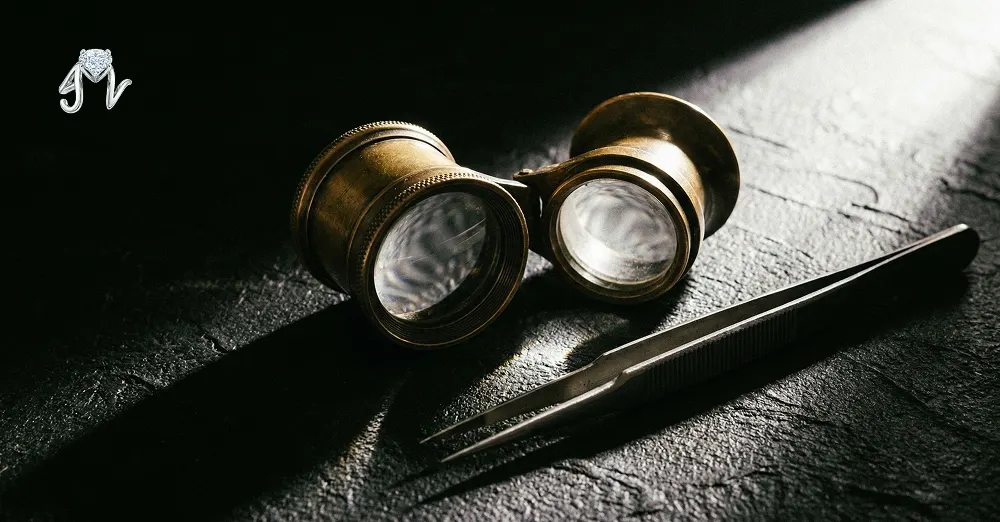
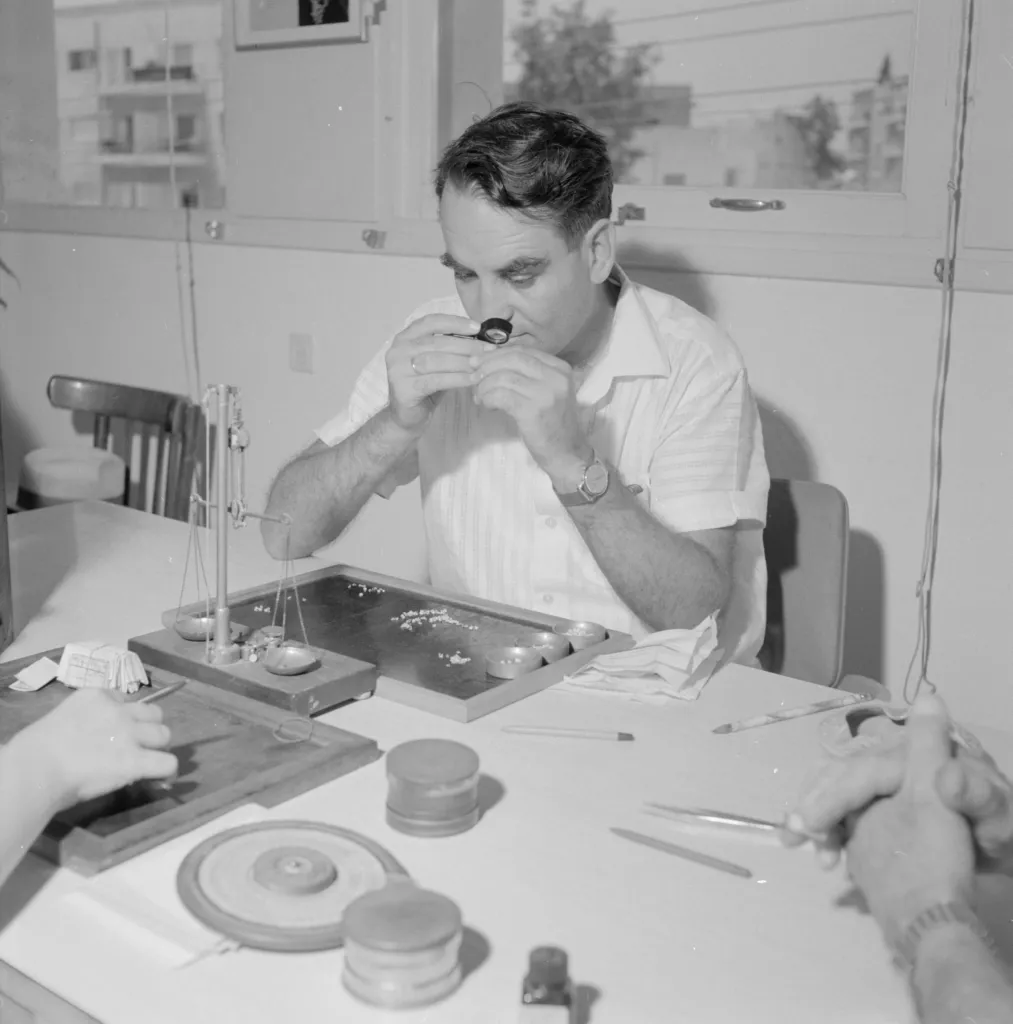
If you buy nothing else from this list, buy this. A diamond without a is just a sparkling rock.
Why You Need It:
The international standard for diamond grading (GIA, ) is 10x magnification. If you can’t see an inclusion at 10x, it technically “doesn’t exist” for grading purposes. However, not all magnifying glasses are “Loupes.” Cheap lenses distort the image at the edges (spherical aberration) and add false colors (chromatic aberration).
What to Buy:
Look for a “Triplet” Loupe. This means it uses three lenses bonded together to correct those distortions.
- Budget Pick: BelOMO 10x Triplet (Russian made, industrial quality).
- Pro Pick: Harald Schneider or Zeiss (The gold standard).
Analyst Tip: Don’t close one eye like a pirate. Keep both eyes open to reduce strain. Bring the loupe up to your cheekbone, then bring the diamond to the loupe. Focus by moving the stone, not your head.
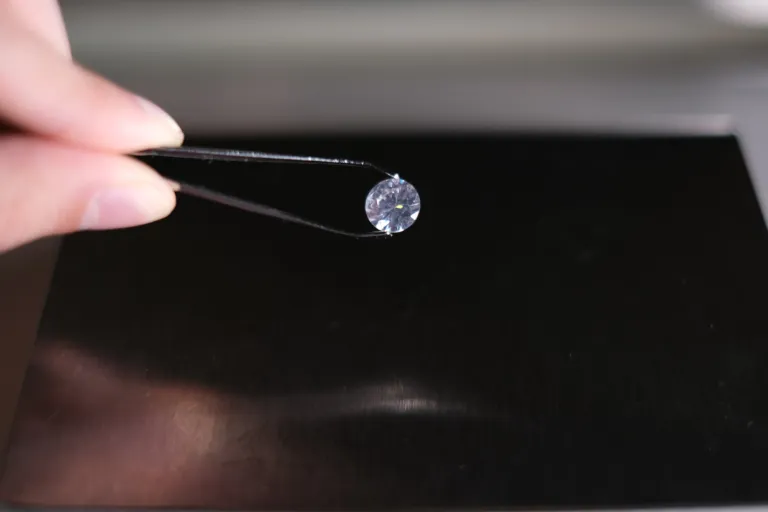
2. High-Grip Locking Tweezers
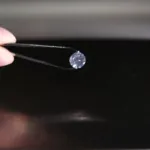
Never touch a loose diamond with your fingers. The oil from your skin instantly coats the facets, killing the brilliance and making it impossible to grade color accurately.
Why You Need It:
Holding a loose stone is terrifying. If you drop a 2-carat diamond on a hard tile floor, it can chip. If it bounces into a carpet, good luck finding it.
What to Buy:
Get “Slide-Locking” Tweezers. These have a mechanism that keeps the tweezers clamped shut on the stone without you applying pressure.
- Look for: Titanium or Matte Black finish (reduces glare/reflection compared to shiny steel).
- Feature: A “groove” inside the tip to hold the diamond securely.
3. The Ideal Scope / ASET Scope (The Lie Detector
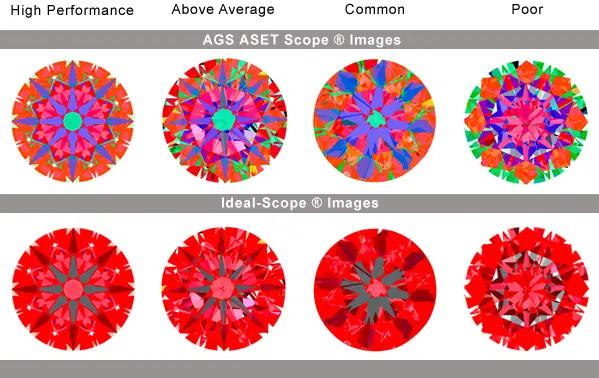
This is the tool that makes jewelers nervous. While a loupe shows you clarity (), these scopes show you light performance (the Cut).
Why You Need It:
A diamond can be “Triple Excellent” on paper but still leak light like a sieve.
- Ideal Scope (Pink): Shows where light is returning (red/pink) and where it is leaking (white/pale).
- Scope (Red/Green/Blue): More advanced. Shows direct light (Red), reflected light (Green), and obstruction (Blue).
The Verdict:
If you look through an Ideal Scope and see a “pale ring” or unstructured chaos, the diamond is poorly cut, regardless of what the certificate says. It’s an X-ray for brilliance.
4. Digital Calipers
Trust, but verify. A certificate might say a diamond is 6.5mm, but is it?
Why You Need It:
Diamonds are sold by weight (Carat), not size. A cutter might cut a stone “deep” to keep it over the 1.00-carat mark, but it might only look as wide as a 0.80-carat stone. This is called “Dead Weight.” You are paying for a carat weight you can’t see.
How to Use:
Use soft-jaw digital calipers to measure the diameter. If a 1.00ct Round Brilliant is less than 6.3mm in width, it is cut too deep. You are losing value.
5. The Cleaning Cloth (Microfiber)
It sounds simple, but it is critical.
Why You Need It:
A diamond attracts grease (it is “lipophilic”). Just the dust from the air or a fingerprint can drop a diamond’s visual color grade from F to H instantly. Before you inspect any diamond with your loupe or scope, wipe it down aggressively with a high-quality microfiber cloth. If the jeweler hands you a dirty diamond, they are either incompetent or hiding an inclusion under a smudge.
A Warning on “Diamond Testers”
You will see cheap “Thermal Diamond Testers” on Amazon for $15. Do not rely on these for serious verification.
- What they do: They tell the difference between a Diamond and a Cubic Zirconia (CZ) or Glass.
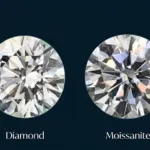
- What they DON’T do: Most cheap testers cannot distinguish between Natural Diamonds and Lab-Grown Diamonds (Moissanite usually beeps, but Lab Diamond conducts heat exactly like Natural).
If you need to distinguish lab from natural, you need a gemological laboratory, not a $15 pen.
Build Your Kit
You are about to spend thousands of dollars on a stone. Spending $50-$100 on a Loupe, Tweezers, and an Ideal Scope is the cheapest insurance policy you will ever buy.
Walk into the store, pull out your loupe, and watch the salesperson’s demeanor change. They know they can’t sell you a story anymore; they have to sell you the truth.