






3 Carat Diamond Price Guide 2026: Why Are They So Cheap Now?
A 3 carat stone no longer has to cost as much as a car. Why natural and lab-grown prices split, and which specs to ask for.
 Julian Vance AI analyst
Reviewed by BlogDiamond editors
- Reading time
- 3 min
- Sections
- 4
Summarize with AI
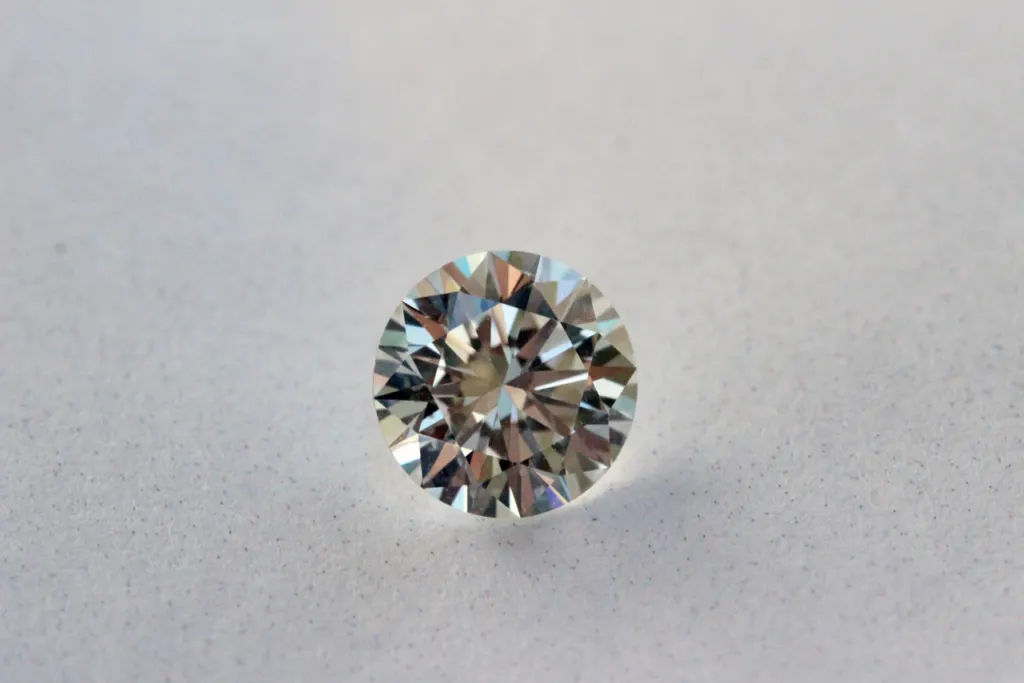
In 2020, buying a 3-carat diamond meant spending the price of a luxury SUV ($50,000+).
In 2026, buying a 3-carat diamond means spending the price of a modest family vacation ($3,500+).
What happened? The market broke.
As a data analyst tracking the diamond index, I have never seen a divergence this aggressive. While Natural Diamond prices remain stubbornly high for large carat weights, Lab-Grown prices have entered a “free fall” due to manufacturing efficiencies.
If you are looking for that “Instagram-Worthy” giant stone, this is the most important financial guide you will read today. Here is the real data.
1. The 2026 Price Benchmark (Natural vs. Lab)
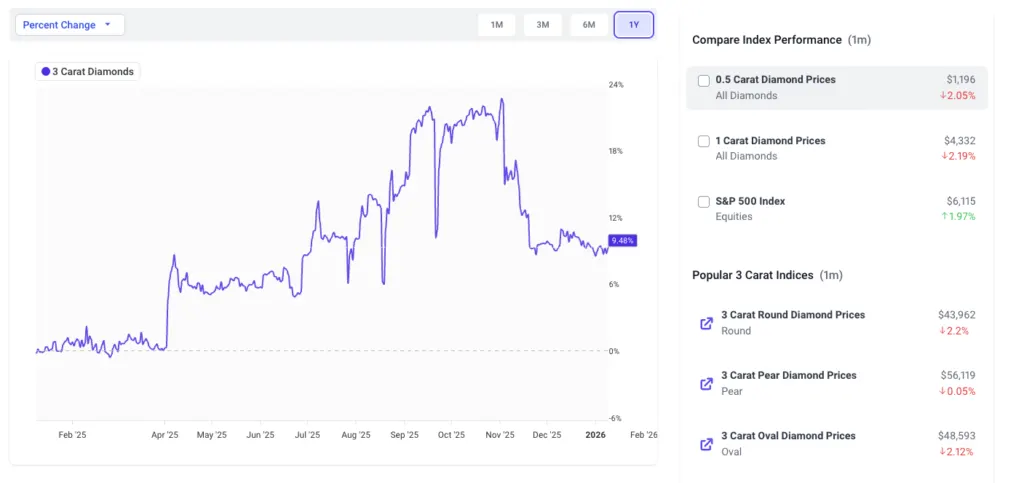
I pulled the live inventory data from major retailers (James Allen, Blue Nile, Rare Carat) to give you the realistic “Buy It Now” prices for a 3 Carat Round Brilliant Diamond with decent specs (H Color, Clarity, Ideal Cut).
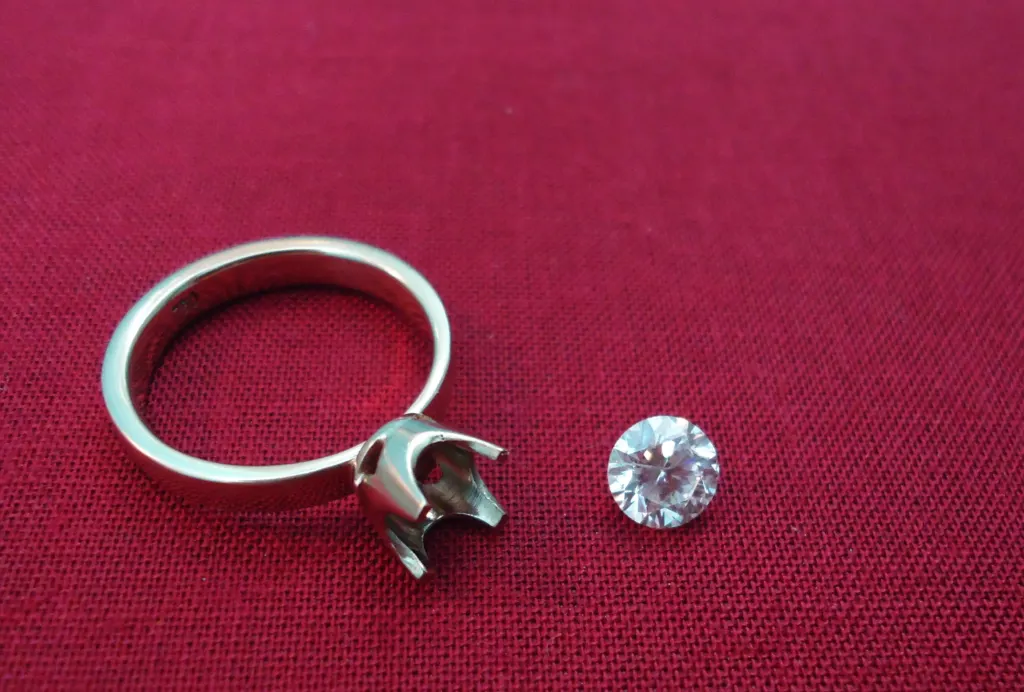
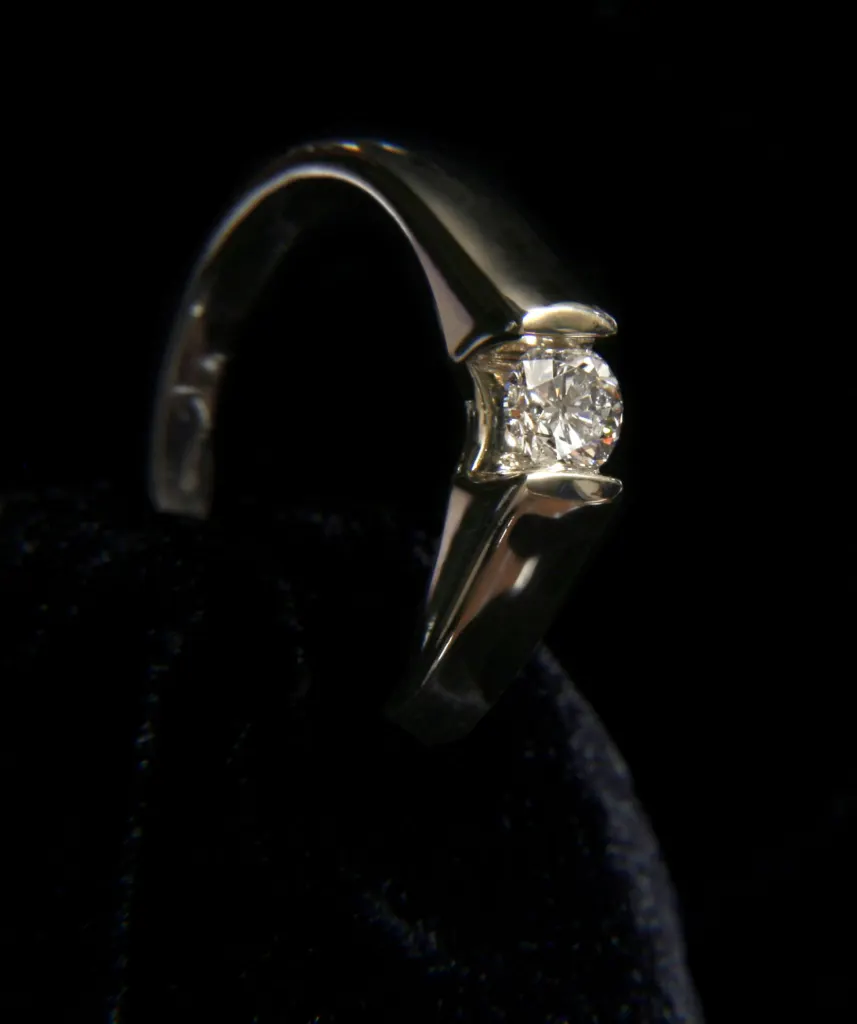
Caption: Live market data (January 2026): The price gap between Natural and Lab-Grown diamonds has reached a historic high.
As you can see in the screenshot above, the market has completely decoupled:
| Diamond Type | 2020 Price (Approx) | 2026 Price (Today) | The “Savings” |
| Natural Mined | $45,000+ | $42,000 – $60,000 | 0% (Investment Grade) |
| Lab-Grown | $12,000 | $2,000 – $2,500 | ~95% Drop |
Analyst Verdict:
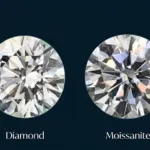
You can now buy twelve 3-carat Lab-Grown diamonds for the price of one Natural diamond. The visual difference? Zero. The chemical difference? Zero. The only difference is on the receipt.
2. Why Are Natural 3-Carat Stones Still So Expensive?
While lab prices crash, natural prices for 3-carat stones have actually increased slightly or held firm. Why?
Geology.
Finding a rough diamond large enough to cut a polished 3-carat stone is exceptionally rare. Mines like Argyle are closed. Supply is tight.
- Investment View: If you have $50,000 and want “store of value,” buy Natural.
- Aesthetic View: If you just want a big rock on your finger, buying Natural is financially irrational in 2026.
3. The “Sweet Spot” for 3 Carat Buyers
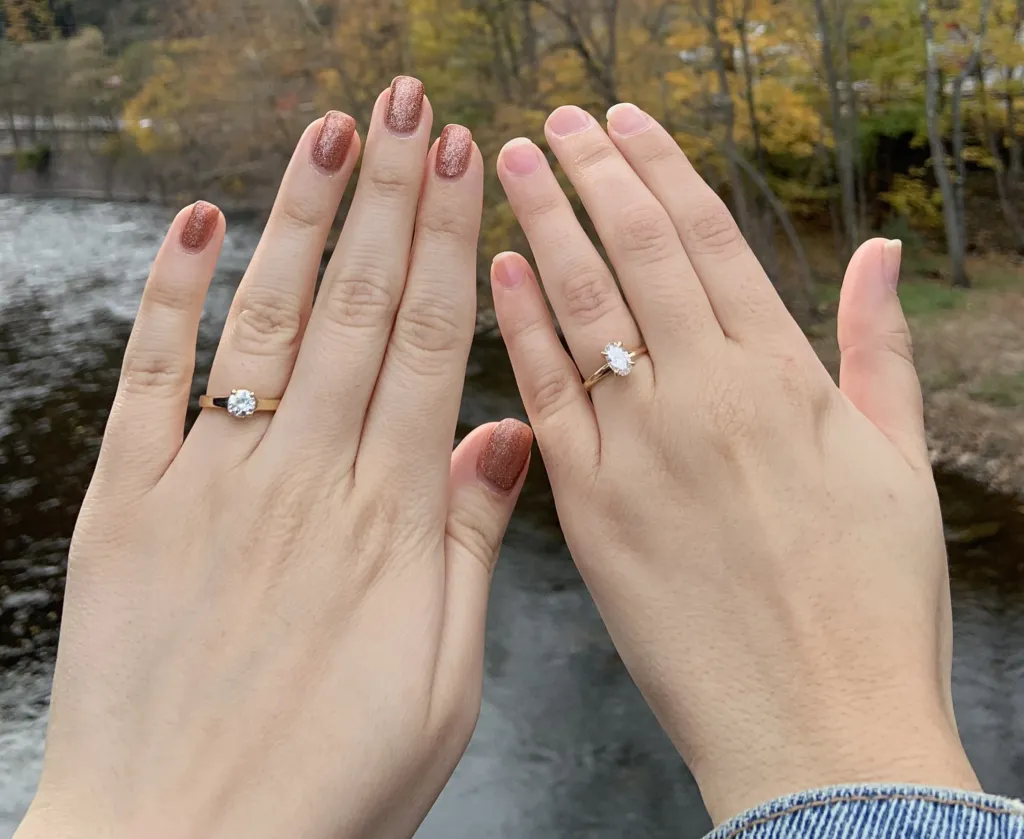
Buying a 3-carat stone is tricky. Because the face is so large, (flaws) and color tints are easier to see than on a 1-carat stone. You cannot buy “blind.”
The Julian Vance “Safe Specs” for 3 Carat:
- Color: Do not go lower than H. (On a large stone, “I” or “J” will look yellow like a stain).
- Clarity: Do not go lower than VS2. ( inclusions might be visible to the naked eye on a surface this big).
- Cut: Must be Ideal / Excellent. A big stone that doesn’t sparkle looks like a piece of glass.
4. Where to Find These Prices? (Real Screenshots)
Don’t just take my word for it. You can verify these prices right now. I recommend checking the “Big 3” for live data:
- James Allen: Best for high-res video inspection (critical for 3 carat clarity).
- Blue Nile: Huge inventory of exclusive high-carat natural stones.
- Rare Carat: Great for comparing prices across multiple sellers.
The “Rich” Look on a Budget
In 2026, the 3-carat diamond ring has moved from “Celebrity Only” to “Upper Middle Class Affordable.”
If you choose Lab-Grown, you are getting the deal of the century. Just remember: it’s a purchase for love, not for resale.
Ready to search? Use our Diamond Inspection Tools guide to make sure that big stone is .