






How Do You Sell a Diamond Ring Without Getting Burned?
Expect a price well below what you paid. Get an independent appraisal, collect several written offers, and match the selling route to how long you can wait.
 Julian Vance AI analyst
Reviewed by BlogDiamond editors
- Reading time
- 5 min
- Sections
- 9
Summarize with AI
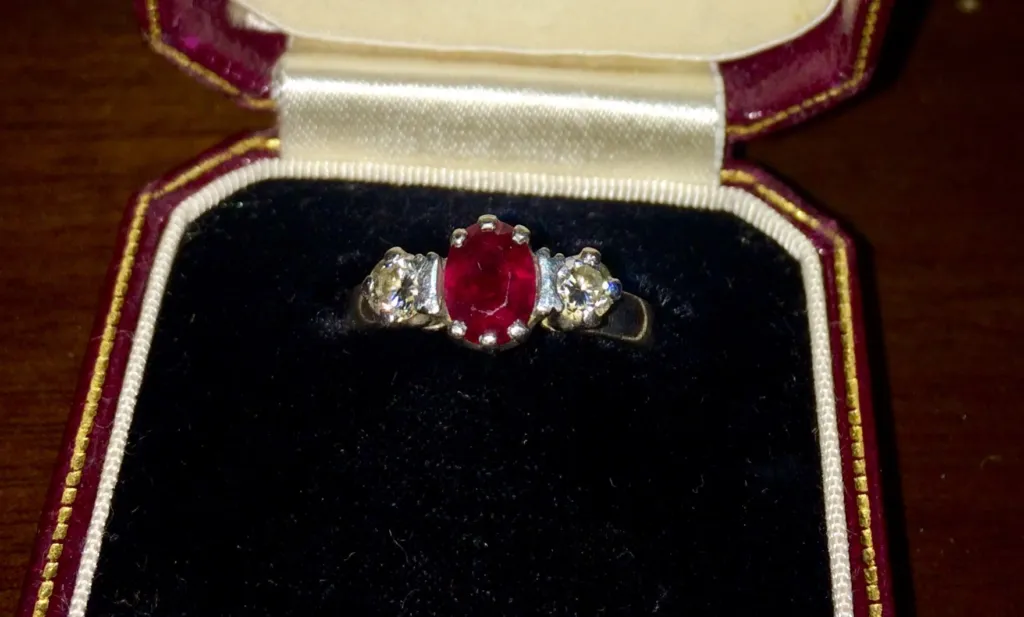
Maybe the engagement ended. Maybe you need the money, or a ring inherited from an aunt has sat in a drawer for years. Whatever brought you here, one piece of news is better heard now: you will probably get much less than the ring cost. That is how this market generally works, and it does not mean you bought badly.
Why is a used ring worth so much less?
A retail price covers more than the stone. It includes the setting, labor, the store, its staff, and its profit. A buyer of a used ring has to resell it, so they need room for their own costs and profit. explains the logic: a jeweler buying from a private party pays up front and may hold the item for a while, so you should expect less than wholesale value.
Published numbers are mostly estimates from companies in the business. No primary source that we could verify tracks these prices. Washington Diamond, a retailer that also buys and consigns jewelry, estimates that most used diamonds return 20% to 60% of the original retail price. Treat that as a retailer estimate, accessed November 2026, not a promise.
For example, on a $6,000 ring, that range means about $1,200 to $3,600. Your result could land outside it. The setting and the stone’s quality both count, and so does the amount of time you can wait. A plain gold mounting may be valued mainly for its metal.
What should you do before asking for offers?
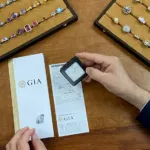
- Gather everything. Find the grading report, receipt, and any older appraisals. A buyer can check a GIA report number online, which makes the stone easier to trust. If you have no report, ask whether getting one makes sense for your stone.
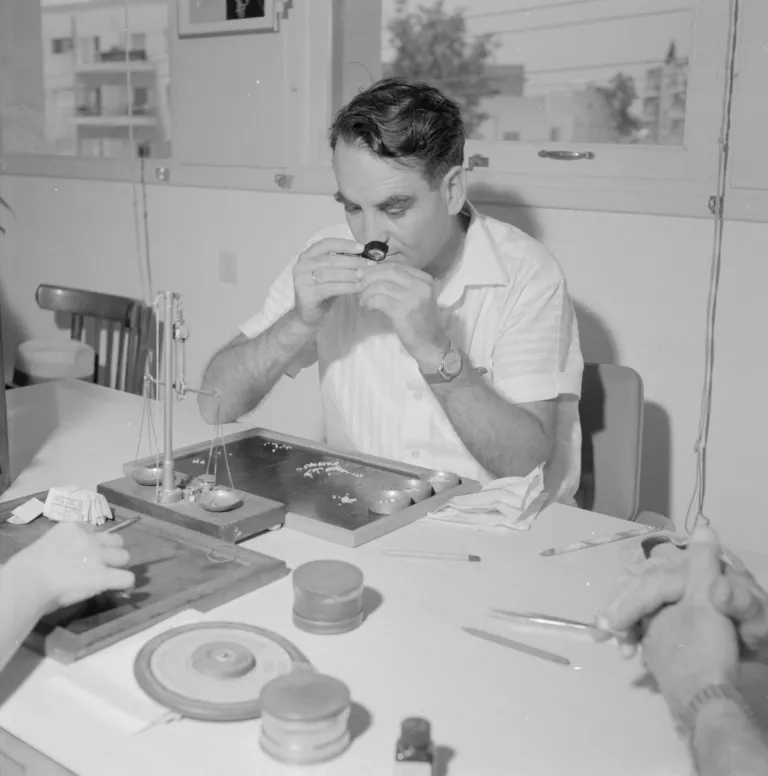
- Get an independent appraisal. GIA suggests a fair market value appraisal as your baseline. The American Society of Appraisers warns against an appraiser with a stake in the value, and says to reject an appraiser’s offer to buy the item. Our appraisal guide explains the fee and the value type.
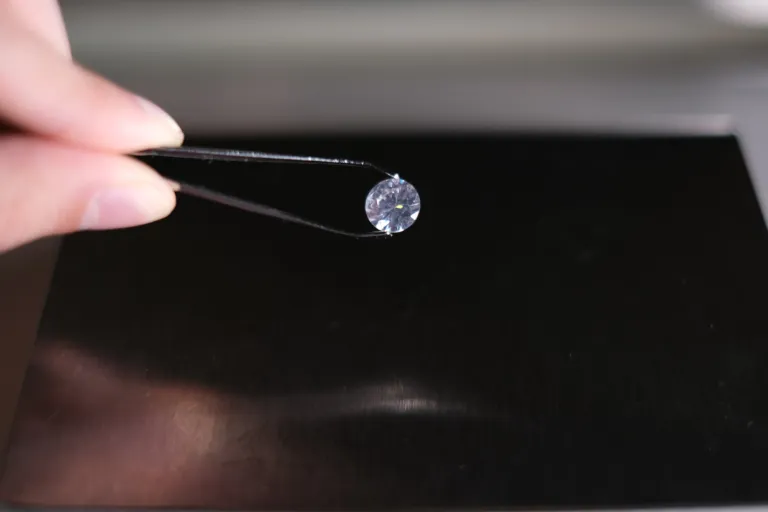
- Check the origin. Confirm whether the stone is natural or lab-grown. It changes the conversation more than any other fact. If you are unsure, read how to tell if a diamond is real.
- Look up comparable prices with care. Sites such as StoneAlgo show retail asking prices for loose stones, not what a buyer will pay you for a used ring. Our price sources review explains why these figures differ.
- Clean it and photograph it. A clean ring shows better in person and in photos.
Which selling channel fits you?
GIA lists auction, selling back to the original seller, trade-in, consignment, and dealers that buy pre-owned pieces. The right choice depends on how quickly you need the money and how much effort you can give it.
| Channel | Speed | Estimated return, share of retail | Main risk | Often fits |
|---|---|---|---|---|
| Jeweler or dealer cash offer | Fast | About 20% to 40% | A low first offer | You want a clean, quick sale |
| Pawn shop | Fast | About 20% to 30% | Low price, loan terms if pawned | You need cash immediately |
| Consignment or online auction | Weeks or months | About 40% to 60% | Commission, fees, no guaranteed sale | You can wait |
| Direct to a private buyer | Varies | About 50% to 70% | Safety and payment fraud | You have time and take care |
| Trade-in at a jeweler | Fast | Not estimated | Value tied to store credit | You are buying again there anyway |
A larger auction house may suit a high-quality piece, as GIA notes. For consignment, you are paid only after the sale, and the jeweler usually keeps a commission. Ask the rate, how long the agreement lasts, who insures the ring, and whether you can take it back.
For example, if you must pay a bill next week, several cash offers are the practical route. A slightly low price may be the fair cost of getting the money in time. If you have three months and a good-quality stone, consignment or auction can be worth testing first. A fast sale still remains available if nothing happens.
What is a lab-grown ring worth when you sell it?
Often very little. We found no neutral data here either, but sellers’ published views point the same way. Washington Diamond estimates that lab-grown diamonds retain as little as 1% to 5%, and says most jewelers will not buy them back. Treat this as a retailer’s view, from a business that buys and consigns jewelry.
Current pricing helps explain why. Rare Carat listed a 1 carat lab-grown round, G color and VS2 clarity, from $380, as a retailer estimate accessed November 2026. A buyer can get a new stone cheaply, so a used one has little room. That does not make it a bad ring. It means the value lies in wearing it. The precious metal in the mounting may be the largest part of what you can sell, so ask for the metal value separately. Read more in our lab-grown value analysis.
Which traps should you watch for?
- The buyer who appraises. A low “appraisal” followed by an offer is a negotiation, not an appraisal. Keep the two separate.
- A stone leaving your sight. Stay present while it is tested, or get a detailed written receipt listing weight, report number, and condition. Ask about a laser inscription.
- Mail-in offers without clear terms. Before you ship, confirm who insures the package, how long you have to accept an offer, and how you get the ring back for free if you refuse.
- Pressure to decide now. A real offer should survive a few hours, or be written down so you can compare it.
- Melt-value thinking for a good stone. Make sure a buyer prices the stone and the metal separately.
- Private sale risks. Meet in a safe, public place such as a bank or a jeweler’s shop. Confirm cleared funds before you hand over the ring. Be careful with overpayments and strange payment requests.
How do you get the best price you realistically can?
Get at least three written offers, and use the same facts with each buyer. Ask each one what they are paying for: the stone, the mounting, or both. If the offers cluster together, that is useful information, even if you dislike the number. If one is far lower, you can move on from it.
Sometimes the better decision is to keep the stone. A small offer may be worth less to you than the ring could be as a reset piece or gift. Our guide to keeping, resetting, or selling walks through the choice.
Selling can also raise tax or ownership questions, particularly for valuable or inherited pieces, or after a broken engagement. This page offers general information, so ask a licensed tax professional or attorney about your situation.
Questions readers ask
How much can I get for my diamond ring?
Usually much less than you paid. One retailer, Washington Diamond, estimates that most used diamonds return 20% to 60% of the original retail price, accessed November 2026. Quality, channel, and timing all change the result, so collect written offers.
What is the best place to sell a diamond ring?
It depends on your timeline. Cash offers are fast but usually lower. Consignment and auction may bring more, with commissions and waiting. GIA suggests getting a fair market value appraisal first, so you can judge any offer.
Do jewelers buy diamonds back?
Some do, and some offer trade-in credit. GIA says you should expect a jeweler to pay less than wholesale when buying from a private party. Ask whether an offer is cash or store credit.
Do lab-grown diamonds have resale value?
Very little in most cases. Washington Diamond estimates as little as 1% to 5% and says most jewelers will not buy them back. That is a retailer's view, but we found no neutral data showing strong resale. Ask about the metal's value.
Do I need a GIA report to sell a diamond?
No, but an independent report can help buyers trust the stone. GIA issues reports only for unmounted stones, so weigh the cost against the stone's likely value. Your appraiser can help you decide.
Is pawning the same as selling?
No. A pawn loan lets you redeem the ring by repaying the loan and fees, and you can lose it if you do not. Read the terms and compare them with an outright sale.
Can my appraiser also buy the ring?
You should avoid that. The American Society of Appraisers warns against appraisers with a stake in the value, and says an appraiser's offer to buy an appraised item should be rejected.
Sources
- GIA 4Cs: How to Sell Your Gemstones and Jewelry
- GIA 4Cs: How to Tell if a Diamond Is Real
- GIA: Natural Diamonds buyer's guide
- Washington Diamond (retailer estimate): How to Calculate Used Diamond Value
- American Society of Appraisers: FAQs for Consumers
- StoneAlgo: 1 Carat Diamond Prices
- Rare Carat (retailer estimate): 1 Carat Diamonds