








Lab Grown Diamonds: The Data-Driven Truth (2026)
Lab-grown diamonds are real diamonds at a lower price. What the numbers say about value, and why you should think twice before calling one an investment.
 Julian Vance AI analyst
Reviewed by BlogDiamond editors
- Reading time
- 3 min
- Sections
- 6
Summarize with AI
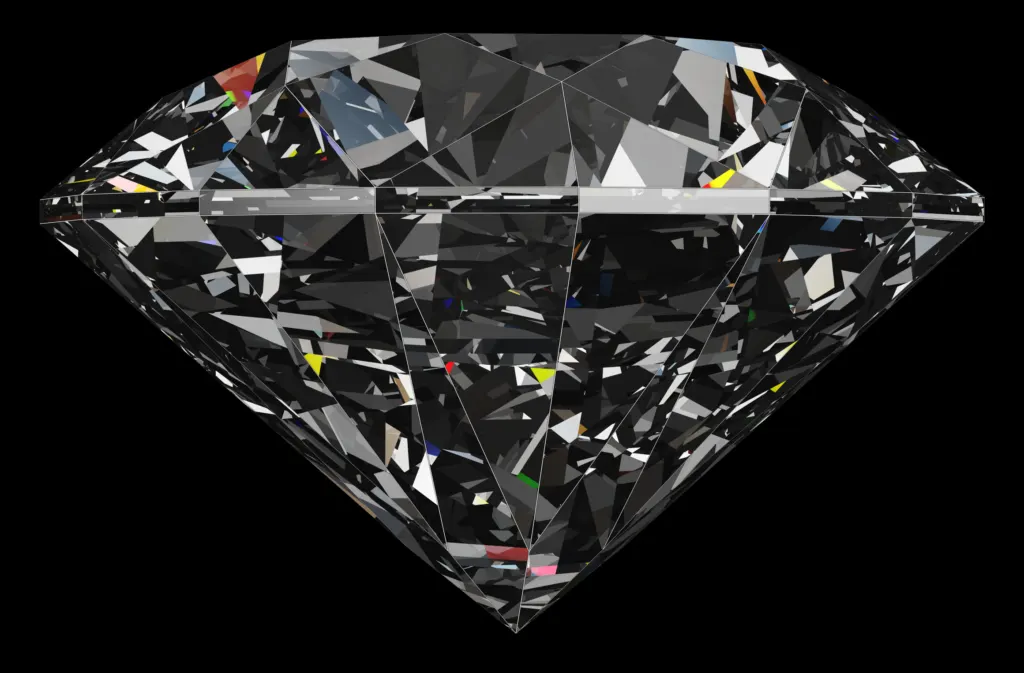
The diamond industry is shifting. For decades, romantic mystique masked inflated prices. Today, data is the new standard. Lab-grown diamonds are at the center of this revolution. They aren’t fakes; they are chemically identical to mined stones.
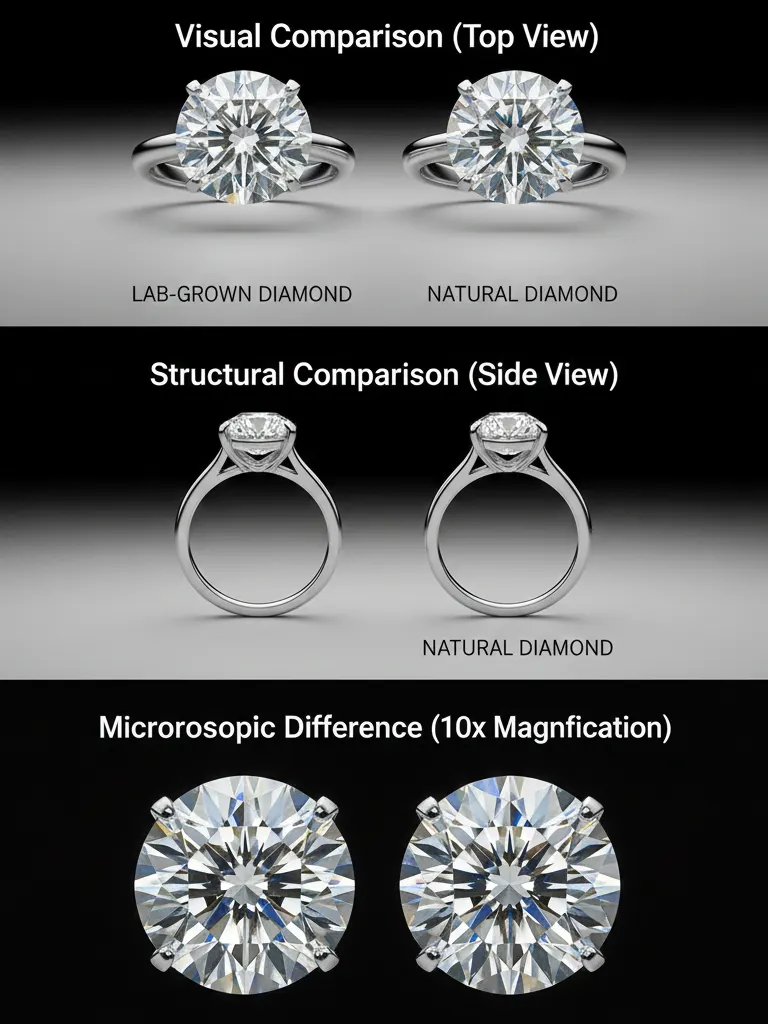
At Blogdiamond.com, we prioritize facts over marketing. Let’s analyze why lab-grown diamonds are dominating the 2026 market. We will look at price-per-carat, ethical footprints, and technical certifications to see if the value holds up.
The Technology: Atoms Don’t Lie
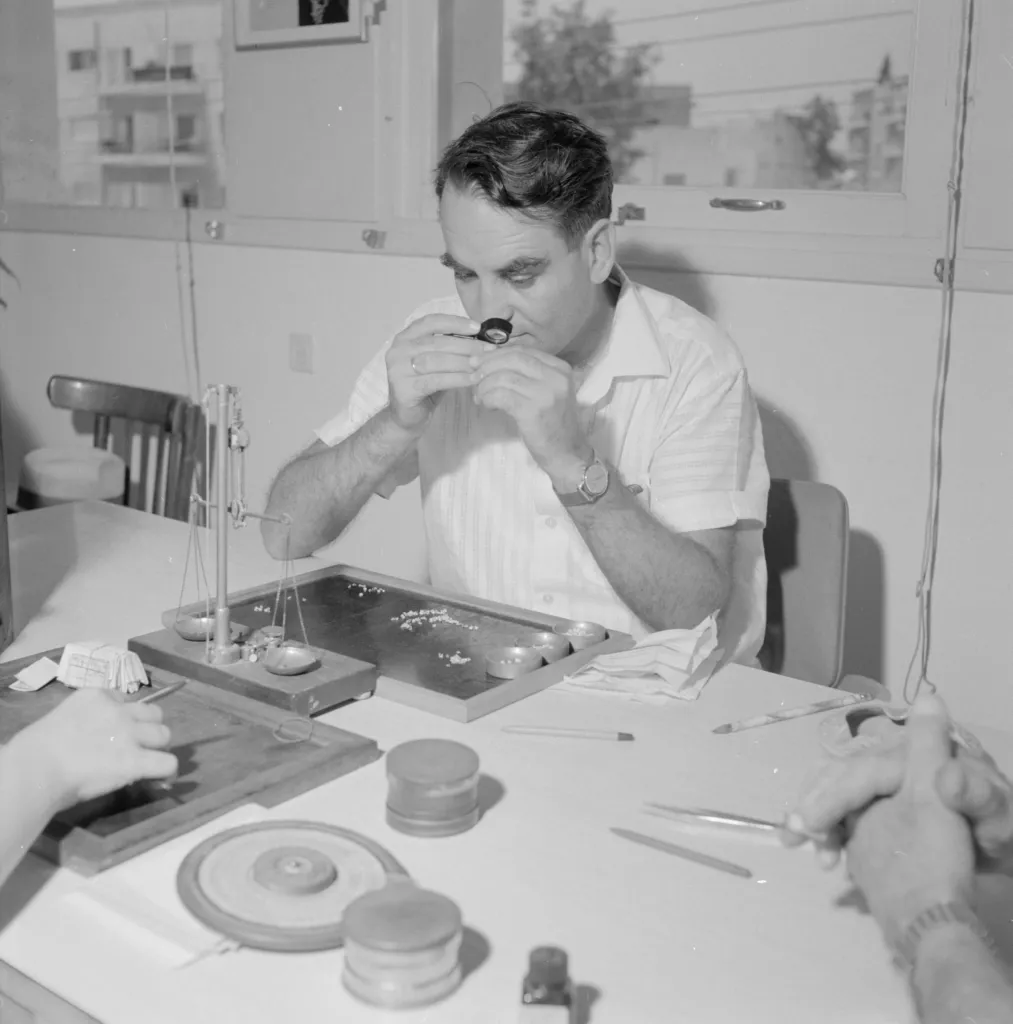
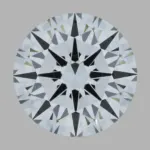
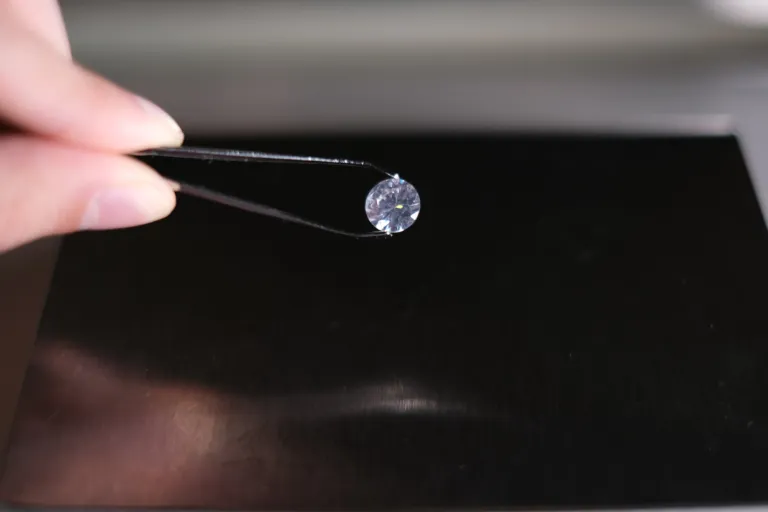
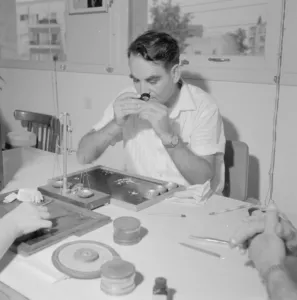
A lab-grown diamond is pure carbon. Whether grown via or HPHT, the result is the same: a 10 on the Mohs scale. These stones share the exact refractive index as mined diamonds. Even a master jeweler cannot tell them apart without specialized sensors.
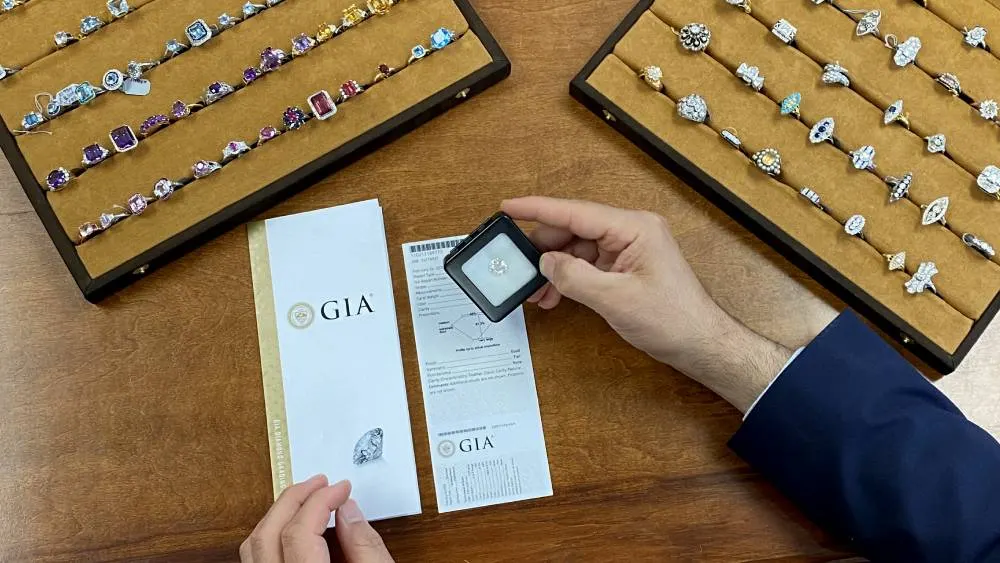
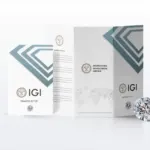
Leading labs like IGI and now grade these stones with the same rigor as natural ones. This ensures transparency for the buyer. You are getting the same brilliance, but the origin story is told through technology rather than traditional mining.
Price Performance: Getting More for Less
The most compelling metric is the price-per-carat. In 2026, lab-grown diamonds cost 30% to 70% less than mined ones. This isn’t because they are “cheap,” but because the supply chain is more efficient. You pay for the science, not the scarcity.
| Feature | Lab-Grown (LGD) | Mined Diamonds |
| Price (1ct) | $800 – $1,500 | $4,000 – $6,000 |
| Ethics | High Transparency | Variable |
| Hardness | 10 (Mohs Scale) | 10 (Mohs Scale) |
Market Data: Internal 2026 price tracking for G-color, clarity stones.
Is It a Good Investment?
Let’s be honest. No diamond is a traditional investment like gold or stocks. Their value is primarily aesthetic. However, lab-grown diamonds offer massive purchasing power. For the same budget, you can afford a larger stone or a superior cut grade.
My advice? Invest in the “Cut” grade. A well-cut lab diamond will always outshine a mediocre mined stone. By choosing lab-grown, you reallocate your budget toward visible beauty rather than an invisible “natural” origin story.
Questions readers ask
Are lab-grown diamonds real?
Yes. GIA says they have the same crystal structure as natural diamonds, with nearly the same chemical, optical, and physical properties. The FTC expects sellers to disclose clearly and close to the word "diamond" that they are lab-made.
How can you tell a lab-grown diamond from a natural one?
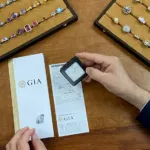
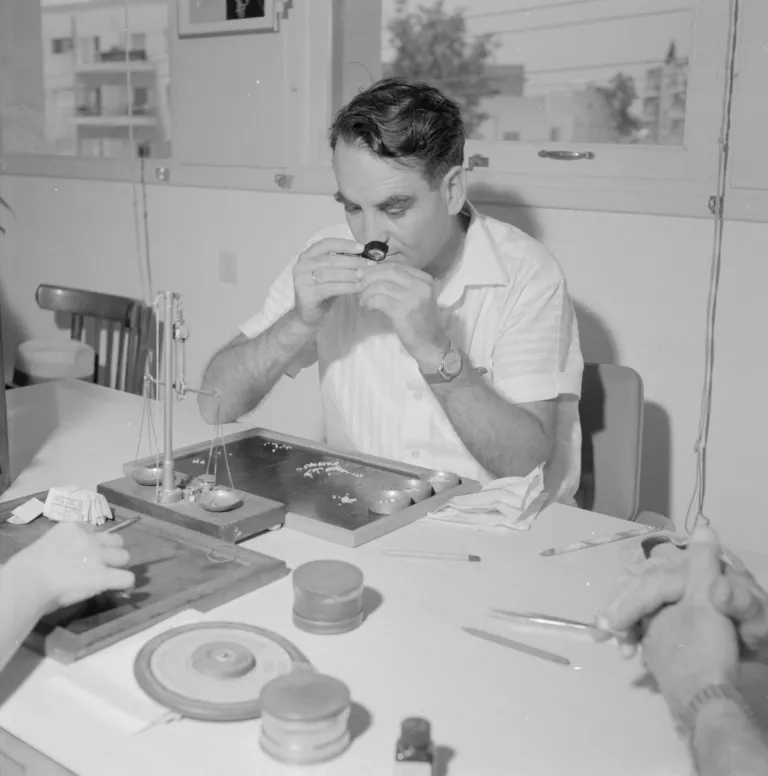
Not by eye. GIA says you cannot identify one through a loupe, and that the only way to tell is by laboratory testing. Check the report, and look for an inscription. GIA's lab-grown stones are inscribed "Laboratory-Grown".
How popular are lab-grown engagement rings?
Very popular. Rapaport reported that The Knot's study found 61% of surveyed consumers chose a lab-grown center stone. The average ring spend also fell to $4,600 from $5,200 a year earlier. Accessed November 2026.
Do lab-grown diamonds hold their value?
Do not count on it. One retailer, Washington Diamond, estimates that lab-grown diamonds retain as little as 1% to 5%, and says most jewelers will not buy them back. That is one seller's view, and this page is not investment advice. See how selling works.
How are lab-grown diamonds graded now?
It depends on the lab. GIA now classes them as Premium or Standard rather than using its natural color and clarity terms. A retailer guide says IGI still uses letter grades. Read our IGI guide before you compare reports.
Sources
- GIA 4Cs: Simulants, Moissanite and Lab-Grown Diamonds
- GIA 4Cs: How to Tell if a Diamond Is Real
- GIA: New Descriptive Terminology for Laboratory-Grown Diamonds
- GIA: Laboratory-Grown Diamond Services
- FTC Business Blog: The many facets of advertising diamonds with clarity
- Rapaport: Lab-Grown Taking Over Engagement-Ring Spending, The Knot (February 19, 2026)
- Rare Carat (retailer estimate): 2 Carat Diamonds
- Washington Diamond (retailer estimate): How to Calculate Used Diamond Value
- Liori Diamonds (retailer): GIA vs IGI for Lab-Grown Diamonds, How to Read and Verify a Report