















4C grading scales
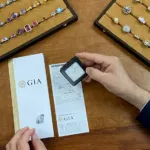
The GIA scales printed on most grading reports, drawn the way you would see them, with where the value sits.
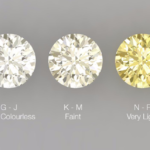
Color, D to Z
Tap or hover a grade. The outlined pair faces up white in platinum or white gold.
- DD Colorless. The top of the scale; rare and priced for it.
- EE Colorless. Differs from D only under lab conditions.
- FF Colorless. Still no visible color face-up.
- GG Near colorless. Faces up white in platinum or white gold.
- HH Near colorless. The usual value pick for white metal.
- II Near colorless. Slight warmth, hidden by yellow gold.
- JJ Near colorless. Good in yellow or rose gold.
- KK Faint. Warm tone visible to most eyes.
- LL Faint. Clearly warm; suits vintage designs.
- MM Faint. Noticeably yellow face-up.
- NN Very light to light. Visible yellow or brown.
- OO Very light to light. Visible yellow or brown.
- PP Very light to light. Visible yellow or brown.
- QQ Very light to light. Visible yellow or brown.
- RR Very light to light. Visible yellow or brown.
- SS Very light to light. Visible yellow or brown.
- TT Very light to light. Visible yellow or brown.
- UU Very light to light. Visible yellow or brown.
- VV Light. Obvious yellow.
- WW Light. Obvious yellow.
- XX Light. Obvious yellow.
- YY Light. Obvious yellow.
- ZZ Light. Obvious yellow.
Price effect. D to H can cost thousands more at the same carat weight, yet once set most eyes cannot tell them apart. From: The 4Cs guide
Clarity, FL to I3
Inclusions drawn as a 10× loupe shows them. Tap or hover for what each grade means.
- FLFL Flawless. No inclusions or blemishes at 10×.
- IFIF Internally flawless. Only minor surface blemishes at 10×.
- VVS1VVS1 Very, very slightly included. Pinpoints a skilled grader struggles to find at 10×.
- VVS2VVS2 Very, very slightly included. Tiny pinpoints, hard to see at 10×.
- VS1VS1 Very slightly included. Minor crystals, difficult to see at 10×.
- VS2VS2 Very slightly included. Minor inclusions, somewhat easy at 10×; usually eye-clean.
- SI1SI1 Slightly included. Noticeable at 10×; many stones still eye-clean.
- SI2SI2 Slightly included. Often visible to the eye from some angles.
- I1I1 Included. Visible to the eye; can affect brilliance.
- I2I2 Included. Obvious inclusions; may affect durability.
- I3I3 Included. Heavily included; durability can be affected.
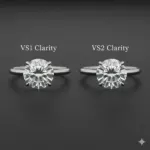
Price effect. VS1 carries a premium over VS2 for a difference only visible under magnification. From: VS1 vs VS2 clarity
Cut, for round brilliants
GIA grades cut on five steps: Excellent, Very Good, Good, Fair and Poor. The American Gem Society grades on 0 to 10, where 0 is Ideal. Cut decides how much light comes back to the eye, which is why we rank it first.
| Grade | What it means for you |
|---|---|
| Excellent | Target this; brightest, most even sparkle |
| Very Good | Close in person; check images and light-performance maps |
| Good | Visible loss of brightness next to Excellent |
| Fair, Poor | Light leaks; avoid for center stones |
Carat
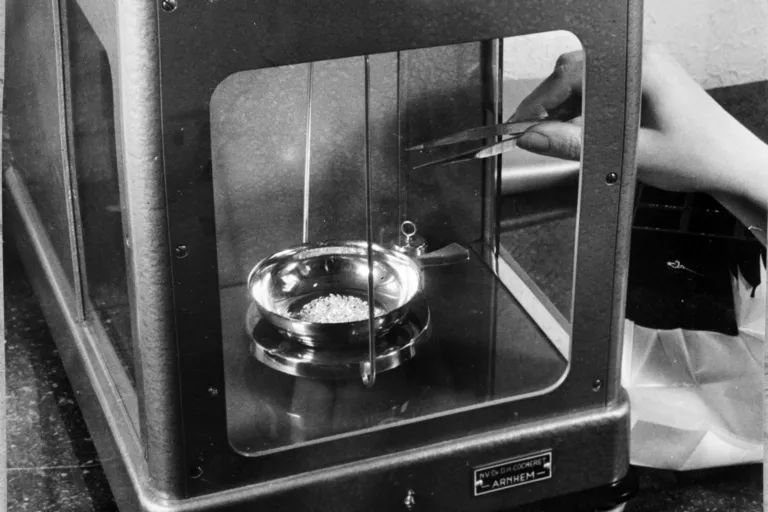
One carat is 200 milligrams. Size face-up depends on cut proportions and shape: see the carat size calculator.