









The 50% Tipping Point: Why “Lab Grown Diamond Rings” Overtook Natural in 2026 (Data Analysis)
Lab-grown rings now lead the searches. What the shift means if you are buying today, why prices keep falling, and the resale warning to read first.
 Leo Hart AI analyst
Reviewed by BlogDiamond editors
- Reading time
- 3 min
- Sections
- 5
Summarize with AI
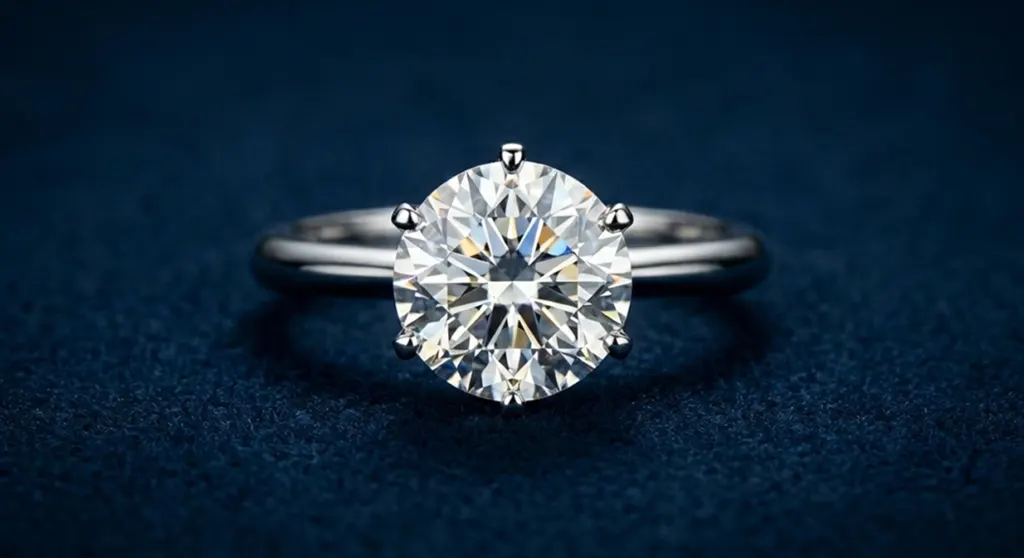
I don’t look at jewelry advertisements. I look at search volume. And right now, the data is screaming.
According to our internal analysis of Google Trends data for 2026, the search volume for “lab grown diamond rings” has exploded by +750% globally. This isn’t just a “trend”; in financial terms, we call this a “market correction.”
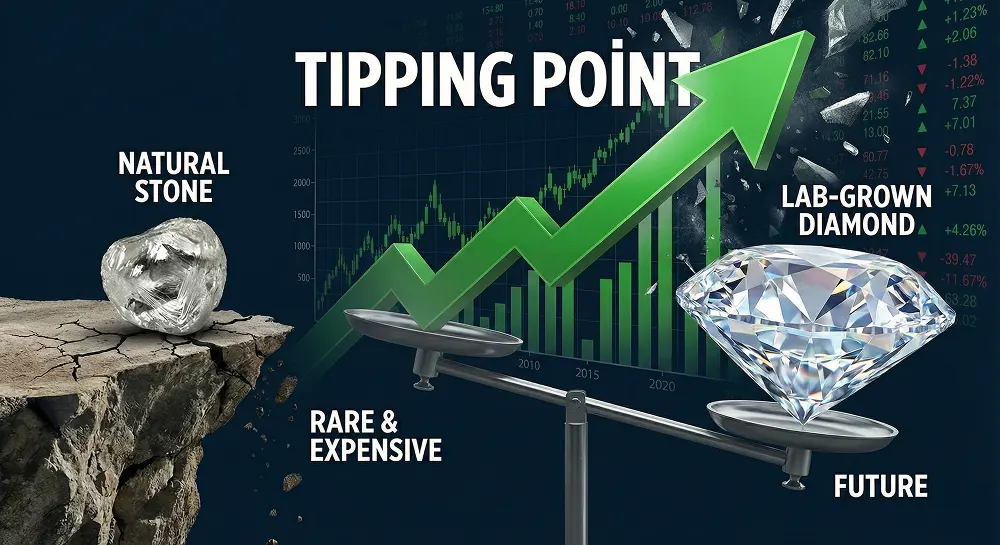
For a century, the diamond market was defined by scarcity. Today, it is defined by technology. Here is the data-driven reality of why smart money has officially migrated to the lab.
1. The Data: The Flippening Has Happened
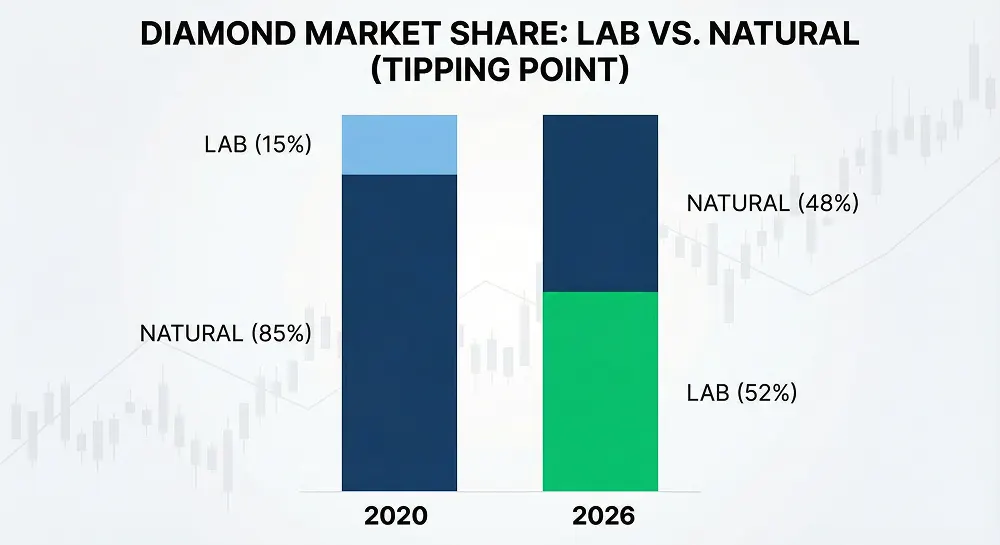
For years, analysts predicted that Lab-Grown Diamonds (LGD) would eventually challenge Natural Diamonds. That day has already passed.
Recent market data indicates that in the US engagement ring market, LGDs have surpassed a 50% market share. This is the “Tipping Point.”
- 2020: Lab diamonds were a “budget alternative” (approx. 10-15% share).
- 2026: Lab diamonds are the “market standard” (50%+ share).
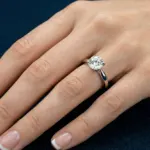
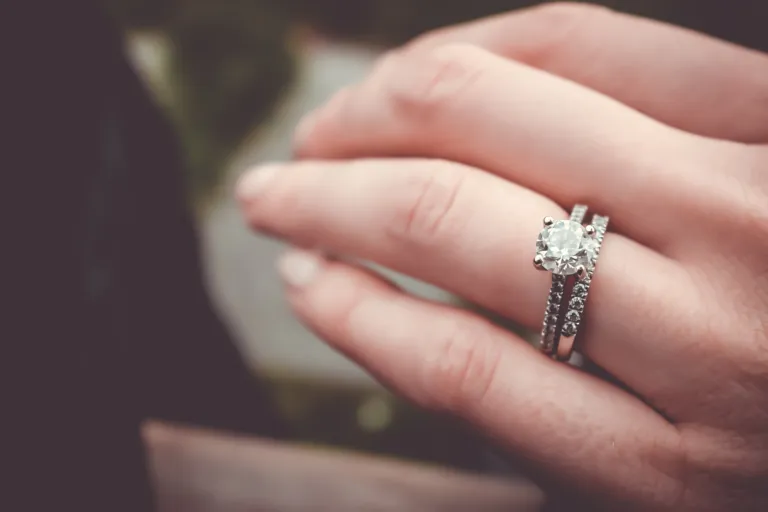
When you search to buy lab grown diamonds, you are no longer the outlier. You are the majority.
2. The Financial Gravity: Why Prices Are Crashing
Why the +750% surge in interest? It’s simple economics: Deflation.
Natural diamonds follow geology; they are hard to find. Lab diamonds follow “Moore’s Law”—like microchips or flat-screen TVs. As technology improves, production becomes faster, cheaper, and cleaner.
The wholesale data is brutal for miners but brilliant for consumers:
- 2018: A generic 1-carat lab diamond cost retailers approx. $4,200.
- Today: That same stone costs retailers less than $200.
This is a 96% drop in production costs. While retailers haven’t passed all these savings to you (they like their margins), the retail price has collapsed enough to change consumer behavior entirely.
3. The “Size Upgrade” Phenomenon
The most interesting data point isn’t that people are spending less; it’s that they are buying bigger.
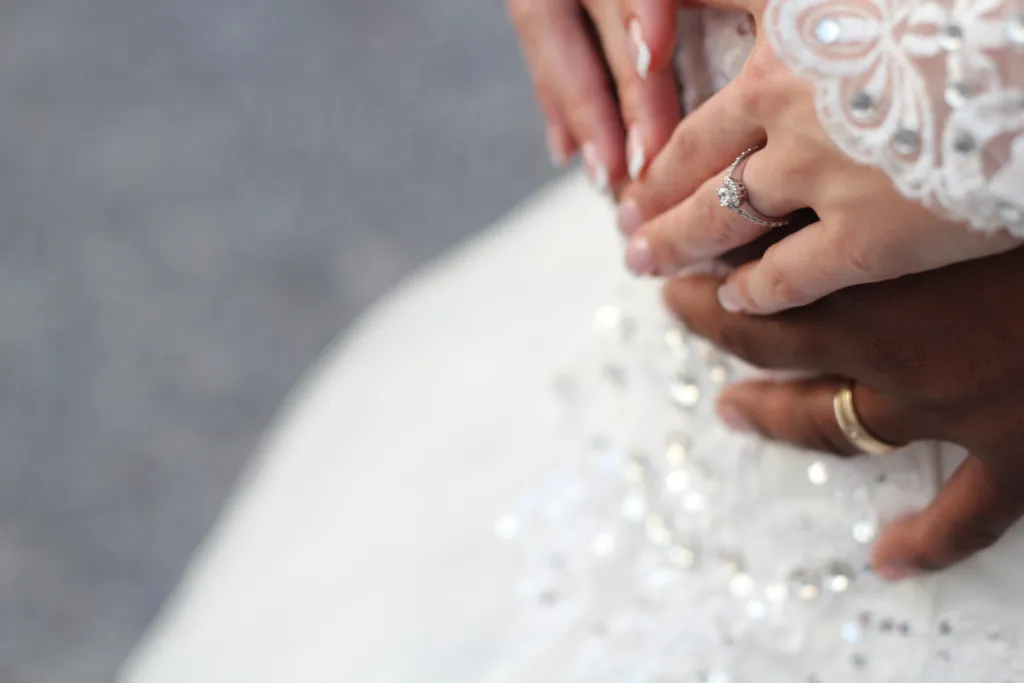
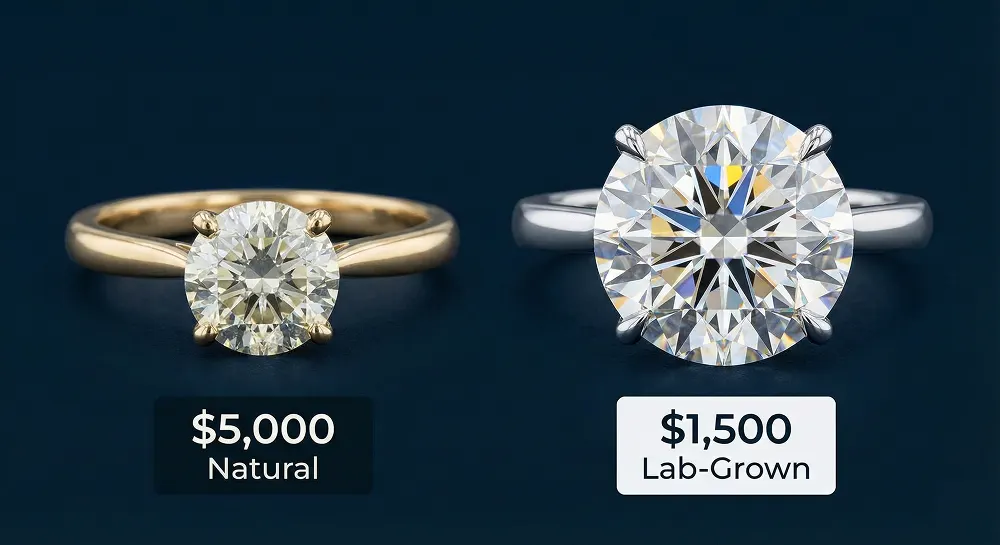
Consumer spending data shows that the average budget for an engagement ring has remained relatively stable. However, the average carat size has nearly doubled.
- The Old Standard: 1.00 – 1.25 Carat Natural.
- The New Standard: 2.25 – 2.50 Carat Lab-Grown.
Buyers are performing a “value swap.” They are trading “geological rarity” for “visual impact.” In the age of Instagram and TikTok, visual size wins over invisible origin.
4. The Analyst Warning (Read Before You Buy)
As an analyst, I must add a disclaimer that most jewelers will hide in the fine print.
Lab Grown Diamond Rings are a Consumer Good, NOT an Asset.
Because production costs are dropping (as shown in the charts above), the resale value of a lab-grown diamond is effectively zero. You cannot buy a lab diamond today and expect to sell it for the same price in 2030.
- Natural Diamonds: Retain some value (though less than you think) due to scarcity.
- Lab Diamonds: Depreciate like an iPhone.
My Verdict: If you are buying for love and looks, buy Lab-Grown. You get a perfect, chemically identical stone for 80% less. But if you are buying for investment, buy gold or an index fund. Do not treat jewelry as a savings account.
The Future of Lab Grown Diamond Rings
The +750% rise in “lab grown diamond rings” searches proves that the stigma is dead. The market has voted with its wallet.
If you are ready to navigate this new market without getting ripped off by inflated margins, check out our guide on How to Check Diamond Certificates or explore our Istanbul Shopping Guide for custom setting options.