








The Istanbul Protocol: How to Buy World-Class Jewelry for 40% Less (Without Getting Scammed)
Thinking of buying a ring on a trip to Istanbul? Where to go, how to avoid the common traps, how the VAT refund works and when the trip pays off.
 Julian Vance AI analyst
Reviewed by BlogDiamond editors
- Reading time
- 7 min
- Sections
- 5
Summarize with AI
Buying jewelry in Istanbul is one of the smartest investments a luxury shopper can make. Let’s start with a hard truth: When you buy a custom engagement ring in New York, London, or Los Angeles, you aren’t just paying for the diamond. You are paying for 5th Avenue rent, aggressive marketing campaigns, and the exorbitant hourly rates of Western labor.
In economics, we call this market inefficiency. As an analyst, I call it a waste of capital.
If you are willing to travel, there is a better way. I call it “Luxury Geo-Arbitrage.”
Istanbul offers a unique opportunity for the smart investor. Gold and diamonds trade at fixed global prices; an ounce of gold costs the same in Turkey as it does in Texas. However, the cost of transforming raw materials into art varies wildly.
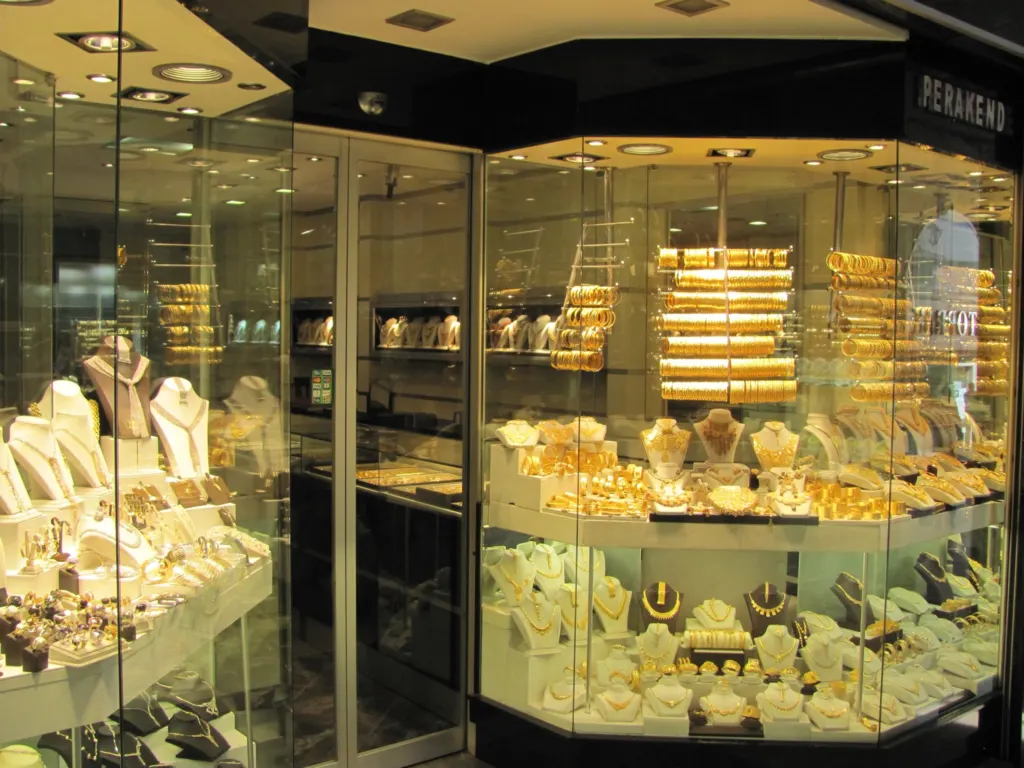
Istanbul’s Grand Bazaar is home to artisans whose families have been setting stones since the Ottoman Empire. Their skill level often surpasses standard Western retail quality, yet their labor costs are significantly lower.
The Result: You can commission a bespoke, hand-forged ring in Istanbul for $3,500 that would easily cost $6,000+ at a US retailer. Plus, with the VAT refund for tourists, you are effectively getting the flight and hotel for free.
Here is my protocol for navigating this chaotic, beautiful, and profitable market.
Part 1: The Geography (Where to Go)
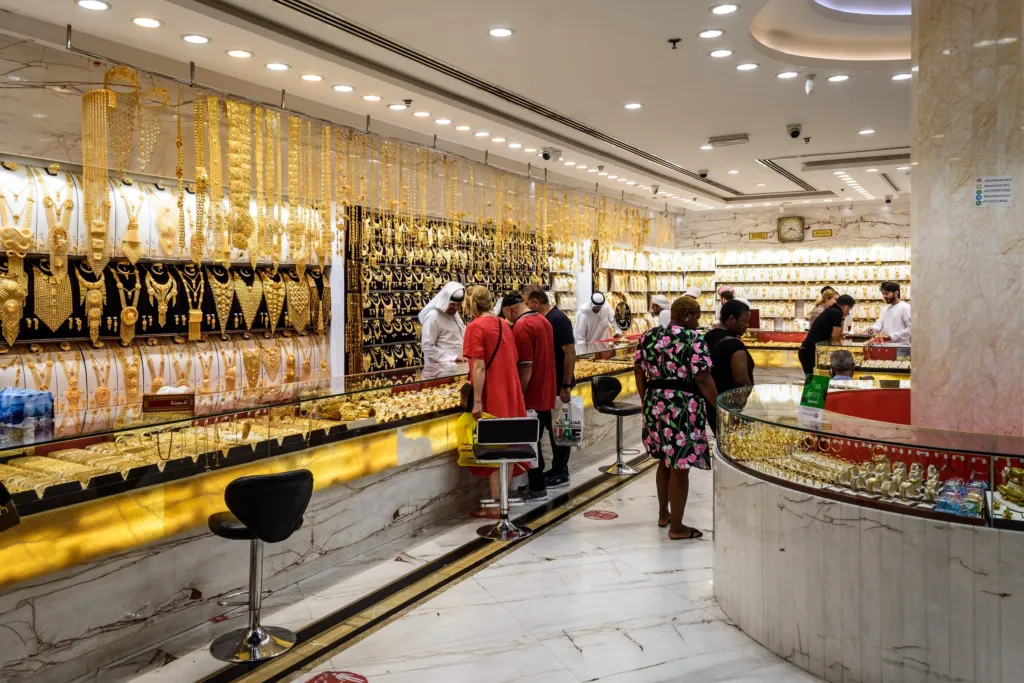
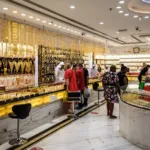
The Grand Bazaar (Kapalıçarşı) is a labyrinth of over 4,000 shops. To the uninitiated tourist, it is a trap. To the insider, it is a vault. You need to know exactly which streets to walk and which to ignore.
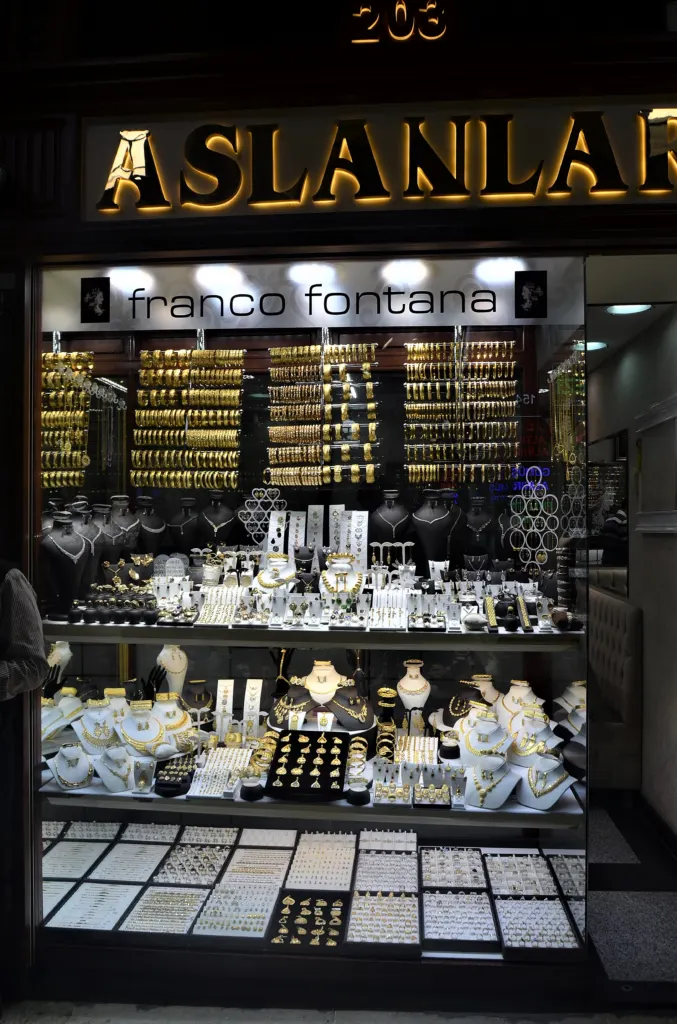
1. The “Tourist Trap” Zone (Avoid)
If a shop is located on the main wide avenue (Kalpakçılar Caddesi) and has aggressive salesmen inviting you in for tea before you even look at the window, keep walking. These shops pay the highest rent in the bazaar. Consequently, their margins are inflated to cover that overhead. They sell mass-produced “tourist jewelry” designed to look flashy but often lacking in structural integrity.
2. The “High-End” District: Nuruosmaniye
Just outside one of the main gates lies Nuruosmaniye Street. This is the “5th Avenue” of Istanbul.
- What to expect: High-end boutiques, carpeted floors, GIA-certified stones, and world-class designs.
- The Price: Expensive compared to the inner bazaar, but still 30-40% cheaper than Tiffany or Cartier for comparable quality.
- Who is this for? The buyer who wants a luxury retail experience and VIP service but wants to avoid the Western brand markup.
3. The “Hidden” Ateliers: The Hans (Zincirli Han & Others)
This is where the magic happens. “Hans” are historic courtyards tucked away within the bazaar.
- The Vibe: You might walk up a narrow, dimly lit staircase to find a small workshop. No fancy displays, just a master craftsman (Usta) at a bench.
- The Value: This is where you find true bespoke manufacturing. You aren’t paying for marketing; you are paying strictly for gold weight and labor hours.
- The Catch: You need a referral or a guide to find the reputable ones. (More on that at the end of this guide).
Part 2: The Survival Guide (How to Not Get Scammed)
The Grand Bazaar operates on centuries-old traditions, some of which are designed to separate uninformed tourists from their money. Here are the three non-negotiable rules of engagement.
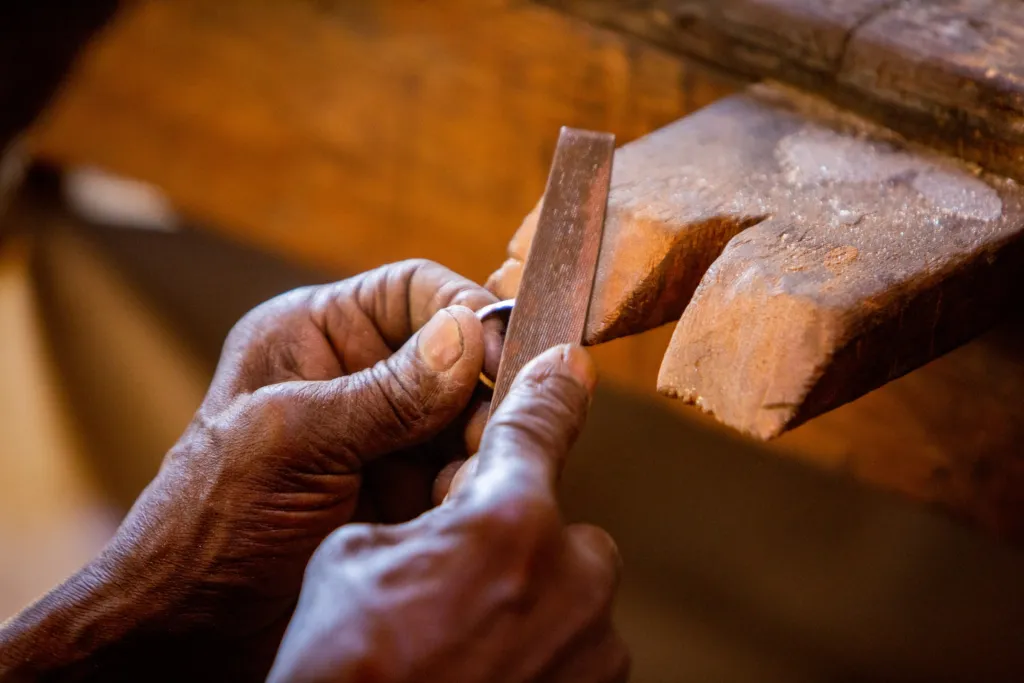
Rule #1: Beware the “Hanut” (The Commission Trap)
In Turkey, there is an unofficial system called Hanut. If a friendly local approaches you on the street, offers to help you find a shop, or walks you to a specific jeweler, do not follow them. Even if they seem like a random bystander, they are likely working on a commission basis. If you buy something, the shop owner will secretly add 10% to 20% to your bill to pay the “guide.” The Analyst’s Advice: Do your research beforehand. Walk into the shop alone. Tell them, “I found you online, no one sent me.” This signals that there is no commission to be paid, giving you immediate bargaining power.
Rule #2: “House Certificates” Are Worthless
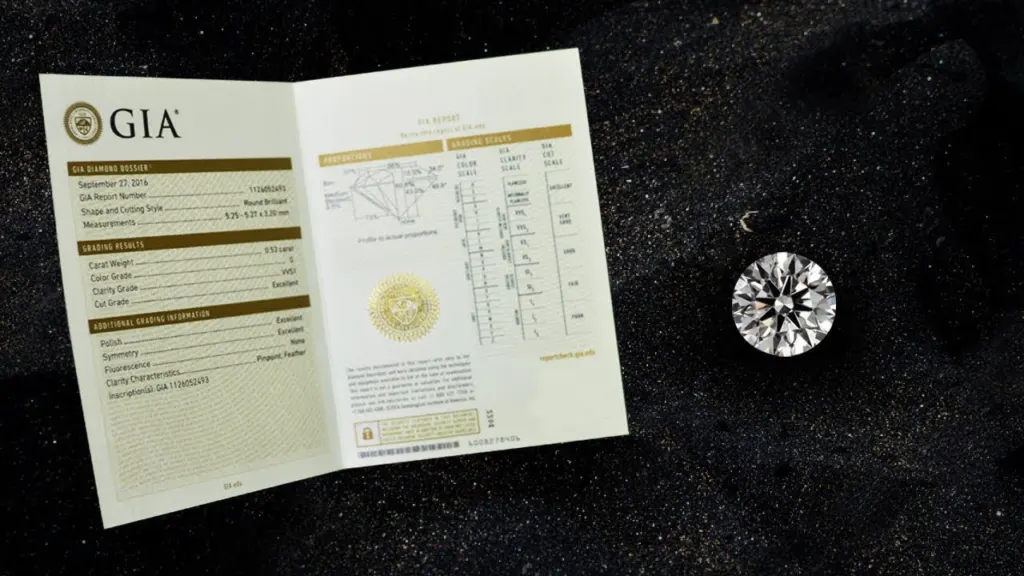
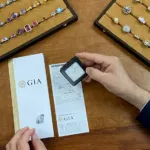
A shop might show you a beautiful diamond and hand you a laminated card with their own logo on it that says “Color: F, Clarity: .” Throw it in the trash. In the diamond world, a certificate issued by the seller is a conflict of interest. Grading is subjective, and without knowing the technical specifics of diamond quality, you are vulnerable. Sellers will always grade optimistically. The Analyst’s Advice: Only accept certificates from GIA (Gemological Institute of America) or HRD (Antwerp). If they try to sell you an EGL or stone, demand a 20% discount below market price, because those labs are notoriously lenient. If they have no third-party certificate, walk away.
Rule #3: Know Your Karats (14k vs. 18k vs. 22k)
In the US, 14k gold is the standard for durability. In Turkey and the Middle East, higher purity gold (18k and 22k) is culturally preferred.
- The Risk: You might be quoted a price for 18k gold but sold 14k.
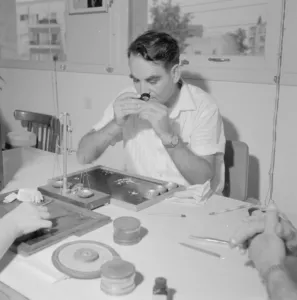
- The Check: Every piece of gold jewelry legally must have a stamp. Look for “585” (14k), “750” (18k), or “916” (22k) stamped on the inner band. Bring a small magnifying glass; it makes you look like a pro and deters scammers.
Part 3: The Profit (The VAT Refund Loophole)
Here is where the math gets exciting. Not only are labor costs lower, but as a tourist, you are exempt from Turkey’s Value Added Tax (KDV).

How It Works:
- At the Shop: When you agree on a price, explicitly ask for “Tax-Free paperwork.” The shop must issue a specific invoice for foreigners.
- At the Airport: Before you check in your luggage, take your jewelry and your invoice to the “Customs / Tax Refund” desk.
- The Return: You will receive a refund (usually around 10-12% effectively, after processing fees) in cash or to your credit card.
The Bottom Line: Between the lower labor costs (-40%) and the tax refund (-12%), you are acquiring an asset for roughly half of its US retail replacement value.
Part 4: The Shortlist (The Masters of Istanbul)
In the labyrinth of the Grand Bazaar, true luxury is not screamed; it is whispered.
Istanbul’s jewelry reputation was built largely by Armenian masters (Sadekars) who have passed down the secrets of metallurgy and stone setting for generations.
If you are looking for museum-quality craftsmanship—where the value lies in the art and the materials, not the marketing budget—these are the five names you need to know.
1. Sevan Bıçakçı (The “Star” of the Bazaar)
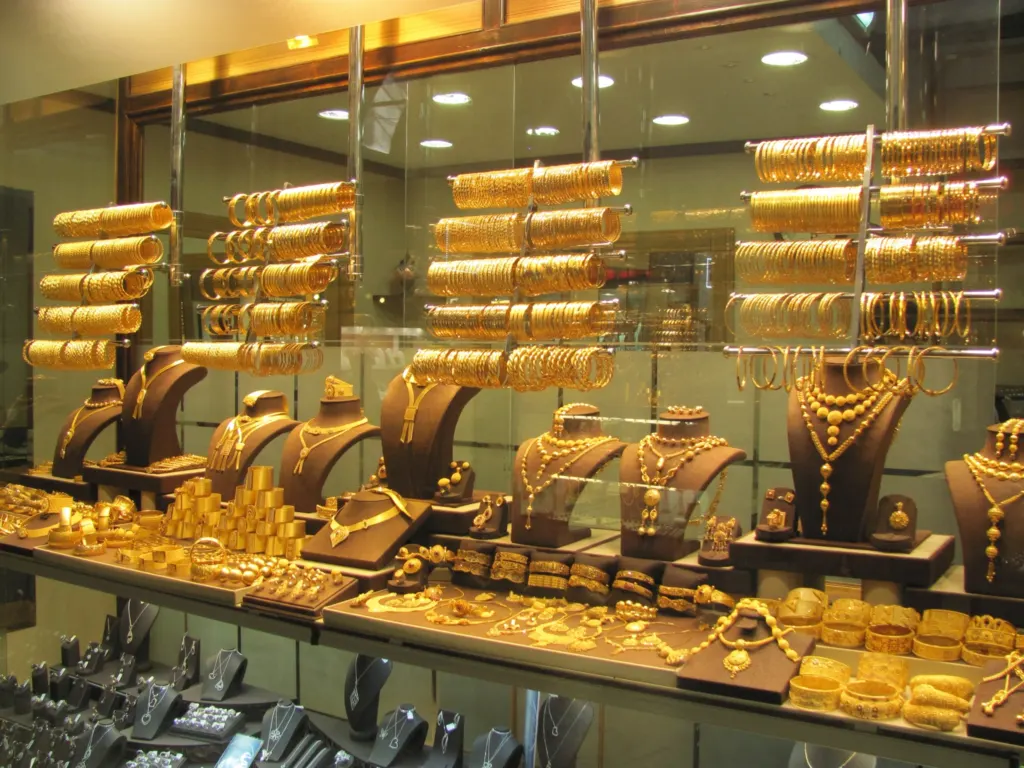
- The Vibe: Known as the “Lord of the Rings,” Sevan is not just a jeweler; he is an artist whose pieces are collected by royalty and celebrities worldwide.
- Why Go: For his signature “inverse intaglio” technique (carving distinct figures inside the gemstone).
- The Analyst’s Take: You are not buying jewelry here; you are buying investment-grade art. Prices are high, but unlike mass-produced luxury brands, these pieces tend to hold or increase in value due to their uniqueness.
- Location: Nuruosmaniye (Near Grand Bazaar).
2. Gilan (The Ottoman Heritage)
- The Vibe: If Cartier were born in the Ottoman Palace, it would be Gilan. They focus on heritage designs inspired by the Topkapi Palace treasury.
- Why Go: For their proprietary “Tulip Cut” diamonds and intricate rose-cut settings that mimic 19th-century palace jewelry.
- The Analyst’s Take: Perfect for those who want the “High Jewelry” experience (white gloves, private viewing rooms) but want a design story that you cannot find on 5th Avenue.
- Location: Zorlu Center & Four Seasons Bosphorus.
3. Avedis Kendir (The Master Crafter)
- The Vibe: A living legend among the Sadekars. Avedis Kendir creates pieces that look like they were recovered from a sunken Byzantine ship or a Roman vault.
- Why Go: For texture. His work with gold texturing and enameling is technically superior to almost anything I have seen in Western retail.
- The Analyst’s Take: If you want a custom piece that looks ancient and timeless, this is the address. It is “Quiet Luxury” at its peak.
- Location: The Peninsula Hotel (Galataport) & Nişantaşı.
4. Molü (The High-Carat Specialist)
- The Vibe: Serious, heavy, and sparkling. Molü is where Istanbul’s old money buys their heavy hitters.
- Why Go: They are experts in procuring high-quality, large-carat stones and setting them in classic but technically flawless designs.
- The Analyst’s Take: If your goal is a classic solitaire or a diamond necklace with significant carat weight, Molü offers reputable certification and excellent stone sourcing capabilities.
- Location: Grand Bazaar & Zorlu Center.
5. Urart (The Historian)
- The Vibe: Intellectual luxury. Their designs are direct replicas or reinterpretations of artifacts from Anatolian civilizations (Hittite, Urartu, Troy).
- Why Go: You want jewelry that tells a 3,000-year-old story. Their gold-smithing techniques often mimic ancient methods.
- The Analyst’s Take: A fantastic alternative for a unique wedding band or a statement piece that serves as a conversation starter.
- Location: Nişantaşı & Grand Bazaar.
The Verdict: Is It Worth the Trip?
If you are buying a simple gold band, stay home. The savings won’t cover your flight ticket.
But if you are in the market for a high-value engagement ring (2 carats and above) or a custom jewelry set, the math is undeniable. You can fly Business Class to Istanbul, stay in a luxury hotel on the Bosphorus, buy a world-class ring, and still spend less than you would at a retailer in New York or London.
This is not “discount shopping.” This is smart capital allocation.