









Inherited a Diamond Ring: Should You Keep, Reset, or Sell?
You do not have to decide this month. Identify what you have, get it valued independently, and then choose the option you can live with.
 Sofia Marin AI analyst
Reviewed by BlogDiamond editors
- Reading time
- 6 min
- Sections
- 11
Summarize with AI
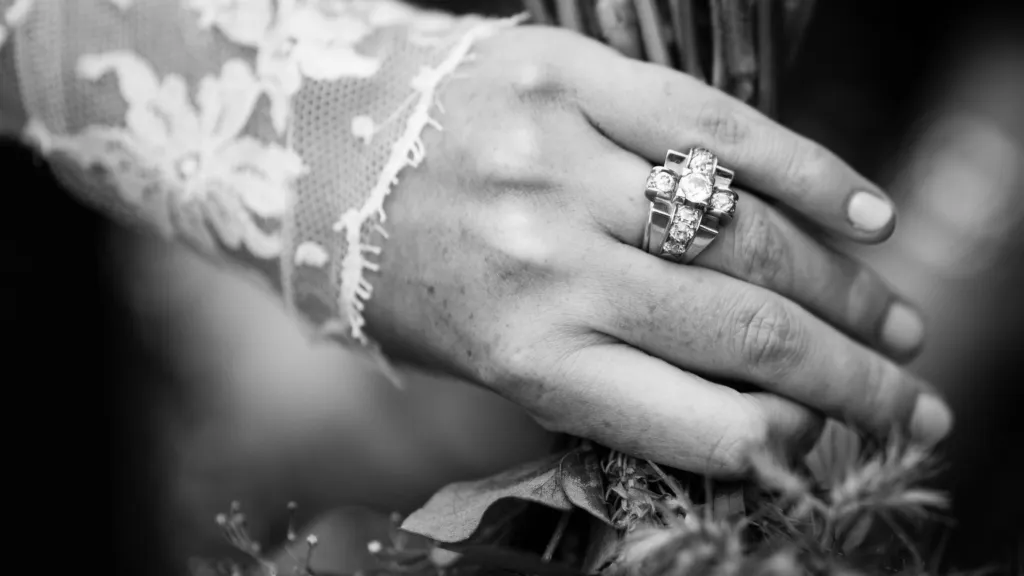
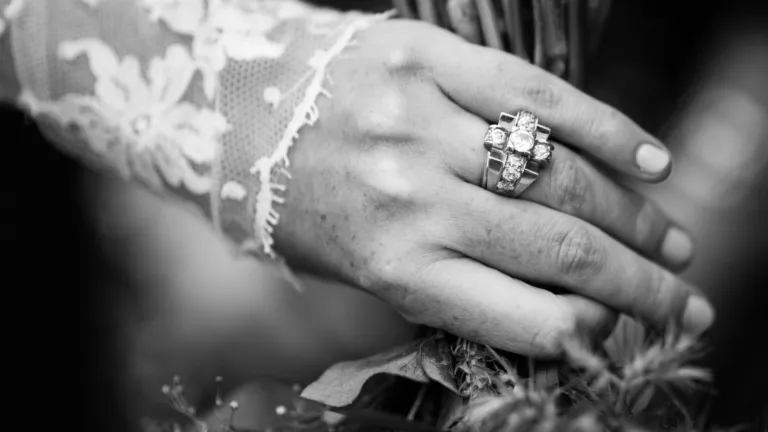
A ring from someone you loved is a strange thing to hold. It can be beautiful, painful, and confusing all at once. Maybe you always imagined wearing it. Maybe it is not your style at all. Maybe you need the money, and you feel guilty for even thinking that.
All of those reactions are reasonable. There is no correct way to feel about an object, and choosing to sell a ring does not say anything about how much you loved the person who wore it. What you can do is separate the facts from the feelings, so one does not make the decision for the other.
What should you do before deciding anything?
Three steps cost you little and close no doors.
- Check that it is yours to decide. If an estate is still open or relatives may have a claim, talk to the executor first. For legal questions, ask a licensed attorney.
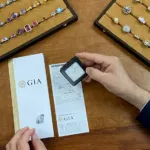
- Collect the paperwork. Look for old receipts, appraisals, grading reports, and insurance records. A report number can be checked, and GIA’s Report Check compares its number against its database.
- Protect it. Put it somewhere safe. Check your homeowners or renters policy, because many standard policies limit jewelry theft coverage, generally to about $1,500. Check your policy for your own limit.
How do you find out what you actually have?
Do not begin with a shop that offers to buy it. Start with someone who has no stake in the answer. The American Society of Appraisers tells consumers to avoid an appraiser with a current or future interest in the item’s value, and to reject an appraiser’s offer to buy it. It also says never to pay a fee based on a percentage of value.
Ask for a value that matches your purpose. The American Society of Appraisers lists fair market value for tax purposes and replacement value for insurance. Those two numbers can be far apart, and neither one is an offer to buy. Our appraisal guide covers this in more detail.
An appraisal and a lab report do different jobs. says an appraisal estimates monetary worth, while a grading report does not state value. GIA only issues grading reports for unmounted stones, so a jeweler has to remove the diamond from its setting. That may be worth doing for a significant stone. For a small one, the appraisal may be enough.
Is it an old cut?
Many inherited rings hold stones cut in older styles. GIA describes the old mine cut as a historic cut from the 1700s to 1800s, and says the old European cut was the dominant round cut from the late 19th century through the early 20th. A GIA report can identify the cutting style, but it does not determine the diamond’s age or when it was cut.
These stones do not behave like modern round brilliants, so ask an appraiser who has experience with them. GIA also suggests asking whether an appraiser has experience with your type of item. Please do not recut an old stone on a shop’s first suggestion. Recutting cannot be undone, and it removes part of what makes the stone itself.
Which option fits your situation?
| Option | Often fits when | Main cost or risk | First step |
|---|---|---|---|
| Keep as is | The ring still feels right, or you are not ready to decide | Insurance, plus wear if you use it daily | Have a jeweler check the prongs and setting |
| Keep it stored | You want to leave the choice open or pass it on | Theft or loss if it is not insured or documented | Photograph it, document it, and review your coverage |
| Reset the stone | You love the stone but will not wear the setting | Original setting may be lost; labor and metal costs | Ask about reusing the old metal and keeping the original parts |
| Make something else | A ring feels wrong, but a pendant or earrings feel right | Design and labor costs | Sketch with a jeweler who will keep your stone in view |
| Sell | You need the money, or the ring brings more pain than comfort | Offers can land far below the appraisal | Get a fair market value appraisal, then several written offers |
What if you want to keep it as it is?
That choice needs no justification. If you will wear it, ask a jeweler to look at the prongs and the band first. An older ring may have worn parts you cannot see. If it has been repaired before, the signs can include solder joints that look out of place.
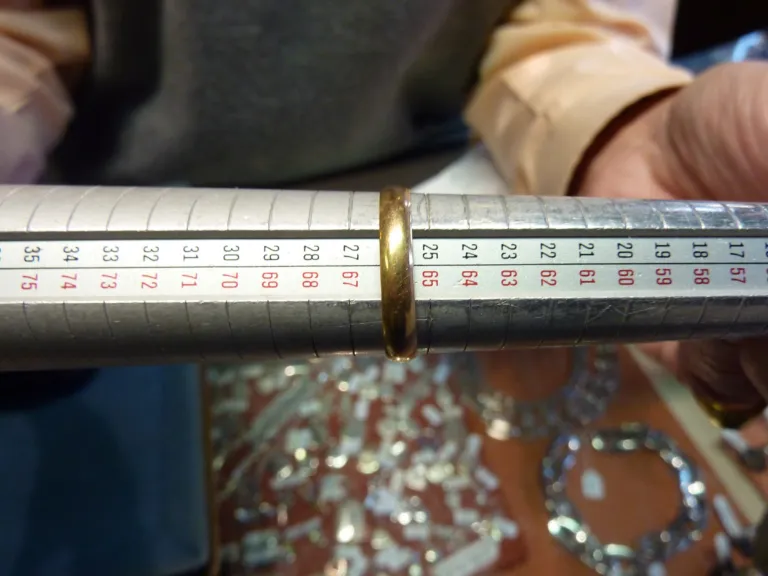
A ring that does not fit can often still be adjusted. Vintage bands need more care, so read the resizing limits and ask whether the piece can safely handle the change.
What should you ask before resetting it?
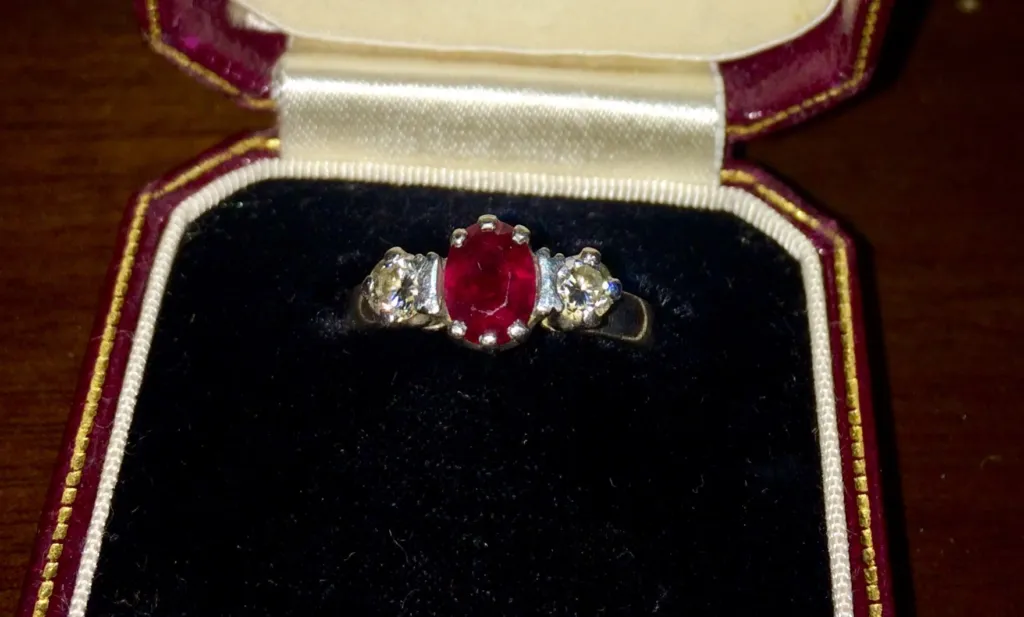
For example, suppose your grandmother’s ring has a stone you love in a setting you would never wear. Resetting lets you keep the stone and change everything else. It can be a lovely way of carrying someone forward. Ask these first:
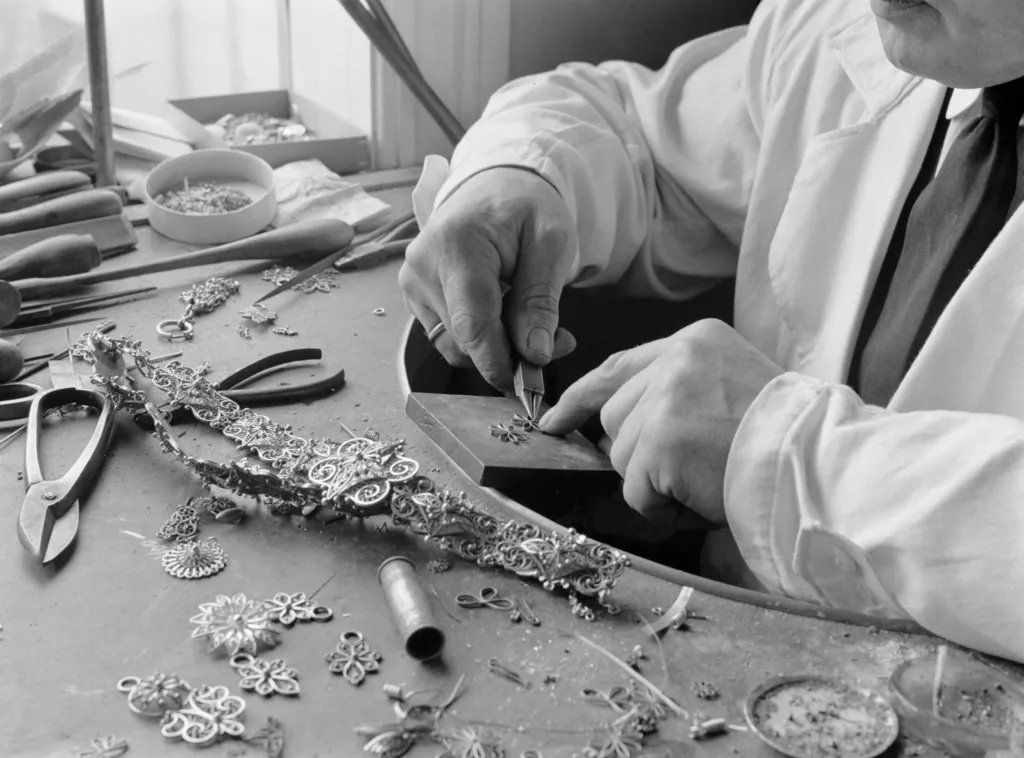
- Can the stone be removed and reset safely? Does it have chips or weak edges?
- Can the original metal be reused? Will I get back any leftover pieces and side stones?
- Will you document the stone before removing it, so I know the same one comes back?
- Does the new setting suit this particular cut?
- Do you carry insurance that covers my piece while you have it? GIA suggests asking this of appraisers, and it is just as fair to ask a jeweler.
Consider having the stone identified while it is out of the setting. A laser inscription can also help identify it if it is ever lost or stolen. And if there is any doubt about the setting, keep the original. You may feel differently in ten years, and so may the next person who receives it.
What if you decide to sell?
Selling is a legitimate choice. The person who left you the ring might well prefer your rent paid to a ring in a drawer. Only you can weigh that, and you owe nobody an explanation.
Expect a gap between the appraisal and the offers. GIA says a fair market value appraisal gives you a baseline, and a jeweler buying from a private party is likely to pay less than wholesale. Our guide to selling a diamond ring compares your options.
Tax may matter if the ring is valuable. The IRS says your basis in inherited property is generally its fair market value on the date of death, and if you sell for more than your basis, you have a taxable gain. This is why a date-of-death value can be useful. The executor can provide it, if one was established. Ask a licensed tax professional about your own situation.
What if the family disagrees?
This can hurt more than any price. If ownership is settled, you still might want to tell relatives before you sell or change a ring, and offer a sibling the first chance to keep it in the family. A shared, independent appraisal removes one source of argument, since everyone sees the same number. If ownership is genuinely in dispute, ask an attorney before anything changes hands.
What if you just cannot decide?
Then do not decide yet. Store it safely, document it, and check your coverage. A ring can wait. For example, you could set a date a year from now to look at it again, and see if anything feels different. Grief changes what we can see, and an object you cannot face today may become the thing you most want to wear later. The reverse can happen too, and it is equally fine.
Questions readers ask
Should I get an inherited ring appraised before selling it?
Yes. GIA recommends a fair market value appraisal before you sell, as a baseline for judging offers. Choose an appraiser who has no interest in buying the ring and who does not charge a percentage of its value.
Is it disrespectful to reset a family ring?
No. Many people see it as a way of keeping a stone in daily life. If it would ease your mind, tell close relatives, and ask the jeweler to return the original setting or any leftover parts.
Should I recut an old diamond to look modern?
Think carefully and get independent advice first. Recutting cannot be undone, and an old cut has its own character. GIA treats historic cuts as distinct cutting styles, so ask an appraiser who has experience with older stones.
Can a lab tell me how old my diamond is?
GIA says its report can identify the cutting style, but it does not determine a diamond's age or when it was cut. Family records and the style of the setting may offer clues, and an experienced appraiser can tell you what they suggest.
Do I owe tax if I sell an inherited ring?
You may, if you sell for more than your basis. The IRS says basis is generally fair market value on the date of death. Rules vary with the facts, so ask a licensed tax professional.
Is an inherited ring covered by my homeowners insurance?
Possibly, but with limits. Triple-I says a standard policy generally caps jewelry theft at about $1,500. A floater can schedule the ring but requires a professional appraisal. Check your policy and ask your agent.
How long can I wait to decide what to do?
Usually as long as you need, once ownership is settled and the ring is safely stored and documented. Any estate deadlines belong to the executor and their attorney. Your own feelings do not have a deadline.
Sources
- GIA 4Cs: How to Tell if a Diamond Is Real
- GIA 4Cs: What Is the Difference Between a Diamond Grading Report and an Appraisal?
- GIA: Natural Diamonds buyer's guide
- GIA 4Cs: Antique Diamond Cuts, History, Craftsmanship and Enduring Appeal
- GIA 4Cs: Jewelry Appraisal Guide
- GIA 4Cs: Tips for Purchasing Estate Jewelry
- GIA 4Cs: How to Sell Your Gemstones and Jewelry
- American Society of Appraisers: FAQs for Consumers
- Triple-I: Special coverage for jewelry and other valuables
- IRS: Gifts and inheritances FAQ