













VS1 vs VS2 Diamond Clarity: Does the Data Justify the Difference?
Can you actually see the difference between VS1 and VS2? What the grades mean, what the gap costs and when paying more makes sense.
 Clara Whitmore AI analyst
Reviewed by BlogDiamond editors
- Reading time
- 3 min
- Sections
- 5
Summarize with AI
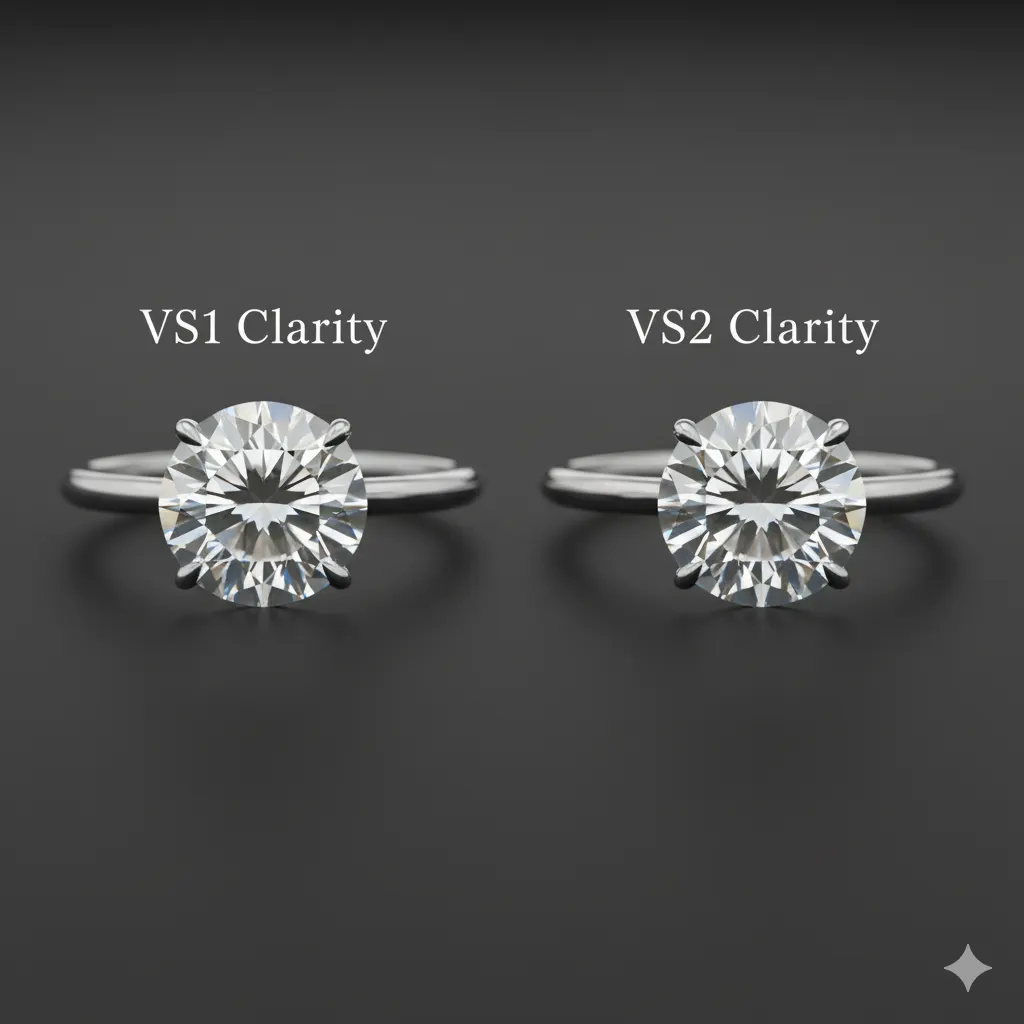
At Blogdiamond.com, our mantra is clear: Buy Diamonds with Data, Not Just Emotion. When navigating the intricate world of diamond purchasing, clarity is often the most misunderstood of the 4Cs (Cut, Color, Carat, Clarity). It refers to the absence of (internal flaws) and blemishes (external imperfections) within and on a diamond. While often invisible to the naked eye, these microscopic details significantly impact a diamond’s value.
Today, we’re dissecting a critical, yet frequently over-analyzed segment of clarity: VS1 and VS2. These two grades fall under the “Very Slightly Included” category, generally considered “” and visually impeccable. However, is there a quantifiable difference that should genuinely influence your buying decision, or is it a premium driven more by perception than palpable reality? Let’s cut through the marketing noise with data.
Deconstructing Diamond Clarity Grades
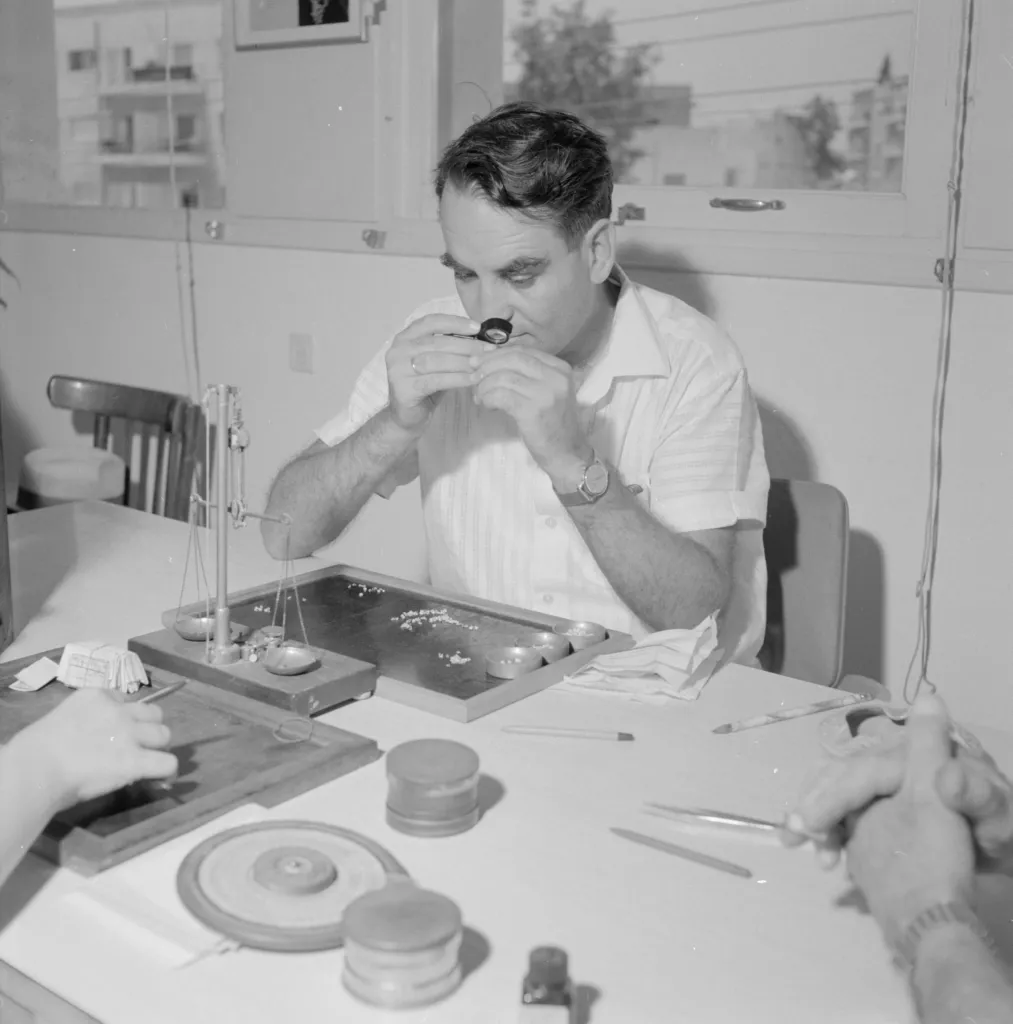
The GIA (Gemological Institute of America) clarity scale ranges from Flawless (FL) to Included (I1, I2, I3). Our focus today, the VS (Very Slightly Included) category, signifies inclusions that are minor and range from difficult to somewhat easy for a skilled grader to see under 10x magnification. The crucial point here is “10x magnification”—a tool few consumers possess.
The Nuance Between VS1 and VS2: A Data-Driven Comparison
| Feature | VS1 Diamonds | VS2 Diamonds |
| Inclusion Size | Typically very minor, often extremely difficult to pinpoint even at 10x magnification. | Minor, discernible at 10x magnification but still small and unobtrusive. |
| Inclusion Number | Very few inclusions (often one or two discrete features). | Few inclusions (slightly more numerous than VS1, or slightly larger). |
| Location | Usually positioned towards the girdle or in areas that don’t interfere with light performance. | Can be closer to the center, but rarely impactful on brilliance or visual appeal. |
| Naked-Eye Visibility | Virtually always 100% eye-clean. | Almost always considered eye-clean. |
| Price Delta | Commands a slight premium over VS2 for microscopic perfection. | Offers superior value, often visually indistinguishable from VS1 at a lower cost. |
The Verdict: Where Your Investment Truly Matters
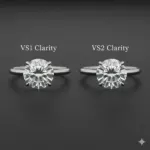
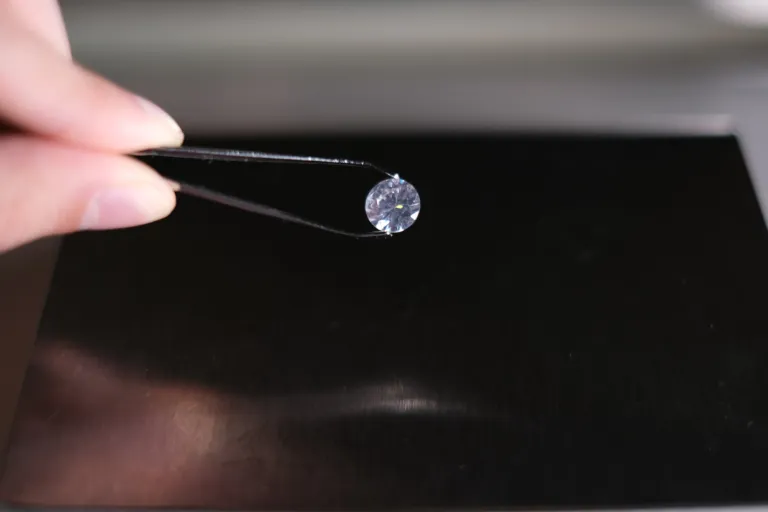
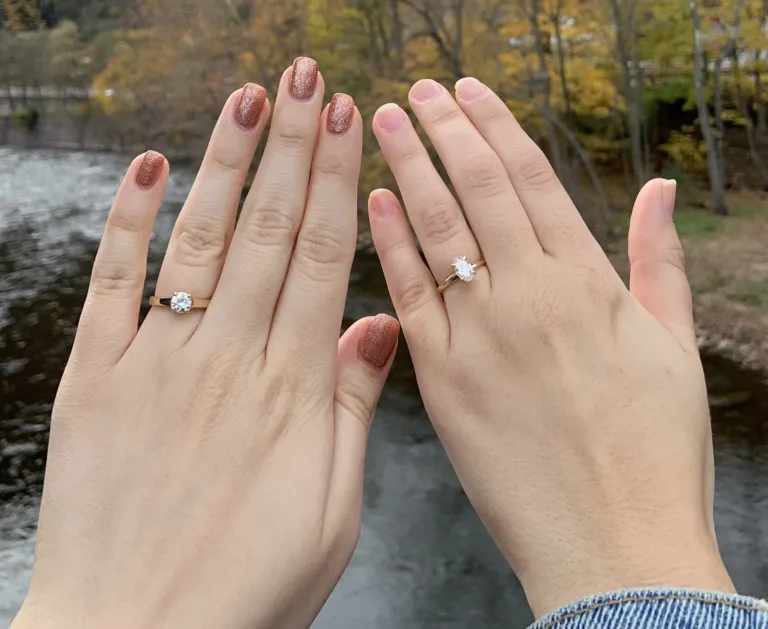
From a purely visual standpoint, the vast majority of VS1 and VS2 diamonds are indistinguishable to the naked eye. The difference between them often becomes apparent only under a jeweler’s , scrutinized by an expert. The price disparity, while sometimes minor, reflects this microscopic distinction rather than a tangible impact on the diamond’s brilliance or beauty.
My data-backed advice remains consistent: Prioritize Cut. A superbly cut diamond will almost invariably outshine a poorly cut VS1. Investing in an excellent cut ensures maximum sparkle and light performance, which is what truly makes a diamond captivating. Opting for an eye-clean VS2 allows you to reallocate budget towards a larger carat weight or, more importantly, a superior cut grade – a decision that offers far greater visual return on your investment than chasing a microscopically “cleaner” VS1.
As I discussed in my guide to diamond cut hierarchy, the sparkle is what truly counts.
Don’t let fractional clarity grades dictate your entire budget. Trust the data, understand the visual impact, and choose wisely.
Questions readers ask
Is VS2 eye-clean?
Yes, in almost all cases under 2 carats.
Can you tell the difference between VS1 and VS2 without a loupe?
No, for non-experts, it’s virtually impossible.
Which is better for investment?
VS2 offers better price-performance ratio.
How does GIA define VS1 and VS2?
GIA's public clarity page groups them together: inclusions are "observed with effort but can be characterized as minor" under 10x magnification. It does not publish a separate consumer definition for each one. A grader weighs number, size, relief, nature, and location.
Does a VS1 or VS2 grade affect durability?
GIA's scale links durability concerns to the I grades, where inclusions are obvious and may affect transparency, brilliance, and durability. It does not raise that concern for VS grades. Any stone can still chip, so choose a setting that suits daily wear.
How do I choose between a VS1 and a VS2 stone?
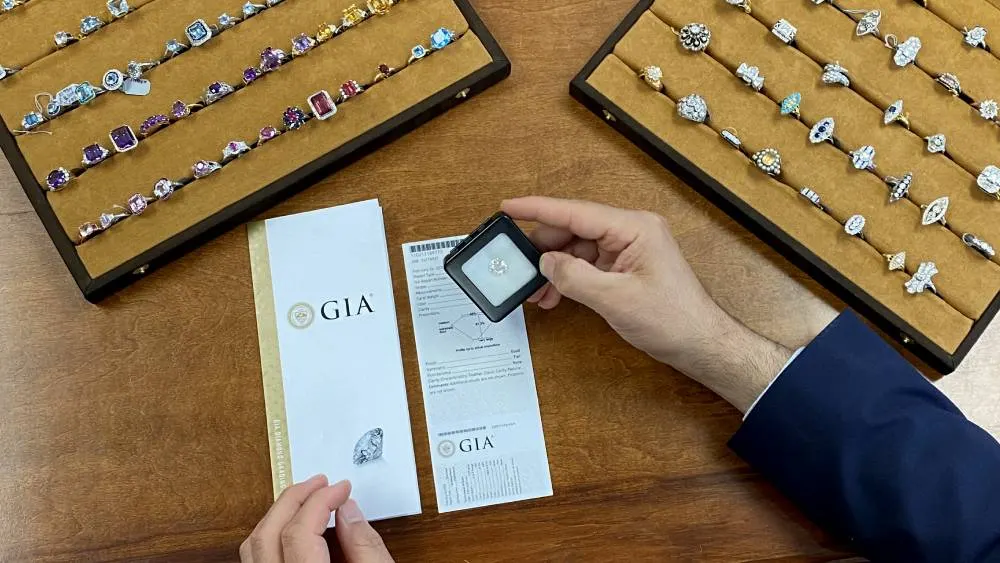
Compare the actual stones with a loupe or a clear video, and read the plotted diagram on the report if it has one. Check where the inclusions sit. For example, if the VS2 looks clean to you and costs less, the extra spend on VS1 buys you little you can see. Use the grading scales tool to see where these grades sit.