










Lab-grown vs natural diamonds
Physically the same stone. Where they differ is origin, price, resale and how they are described, which is exactly where buyers get confused.
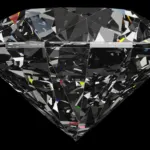
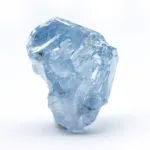
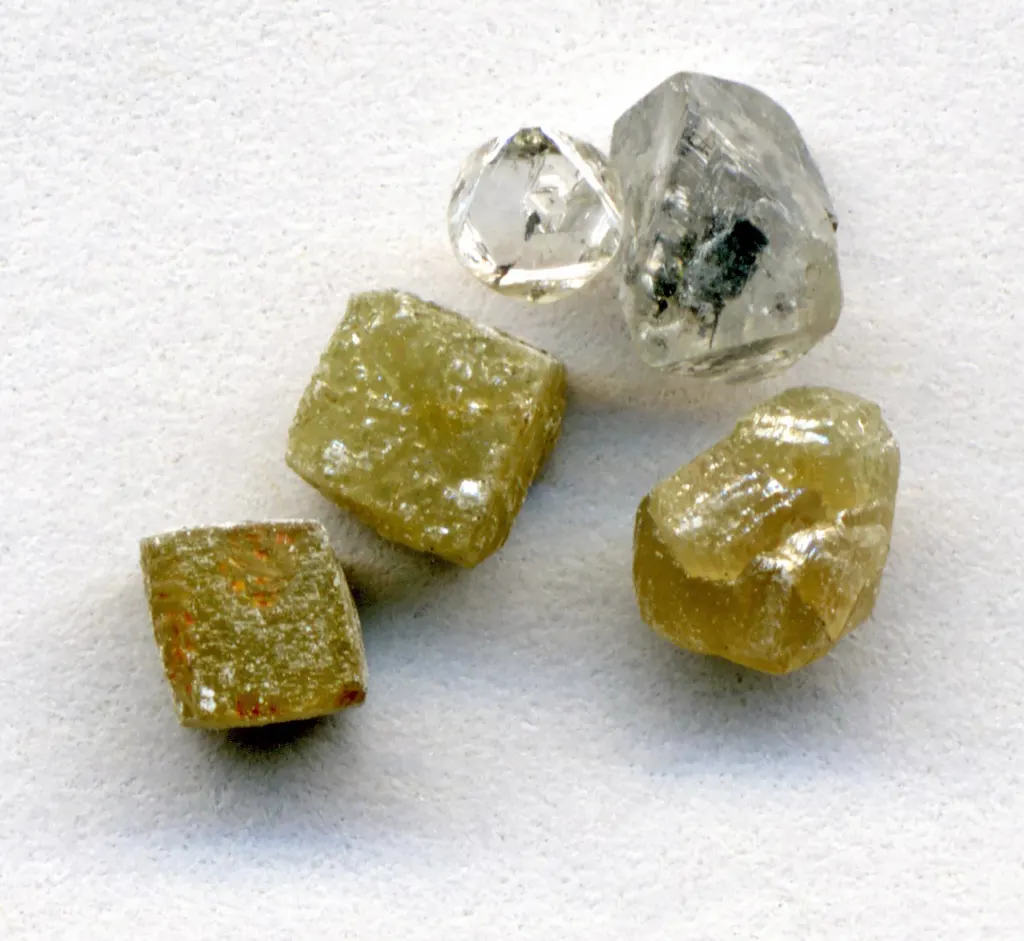 James St. John · CC BY 2.0
Natural
Formed in the mantle and carried up by volcanic eruptions. Rare, finite, with a long-established trade and resale market.
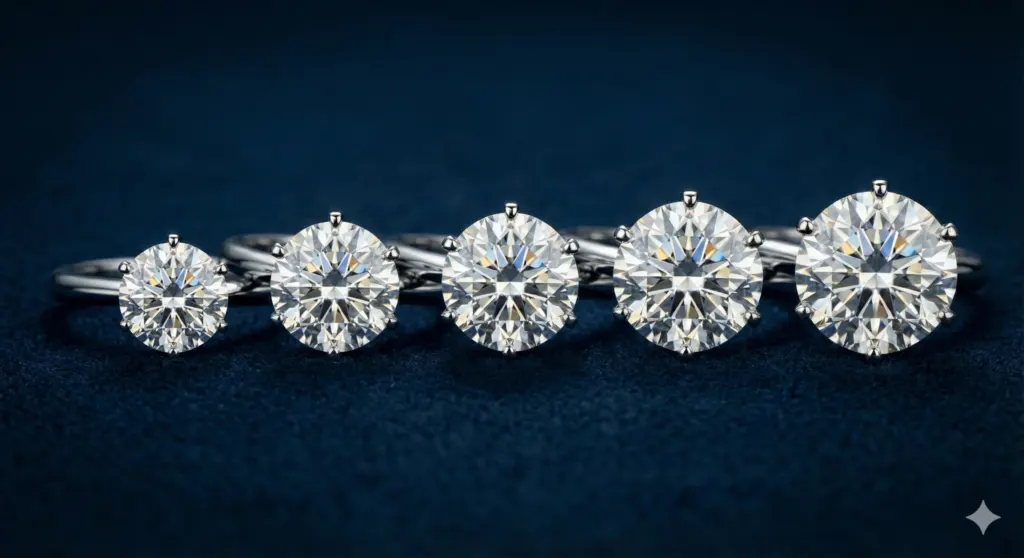
Lab-grown
Grown from a diamond seed by HPHT or CVD. Same crystal, made to order, with prices that have fallen fast.
Eleven points that matter
| Point | Natural | Lab-grown |
|---|---|---|
| Material | Crystalline carbon (C), cubic | Crystalline carbon (C), cubic Same |
| Hardness | 10 on the Mohs scale | 10 on the Mohs scale Same |
| Refractive index | 2.42 | 2.42 Same |
| Dispersion (fire) | 0.044 | 0.044 Same |
| How it forms | Deep in the earth’s mantle, typically a billion or more years ago | In a lab by HPHT or CVD, in weeks |
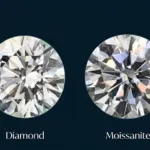
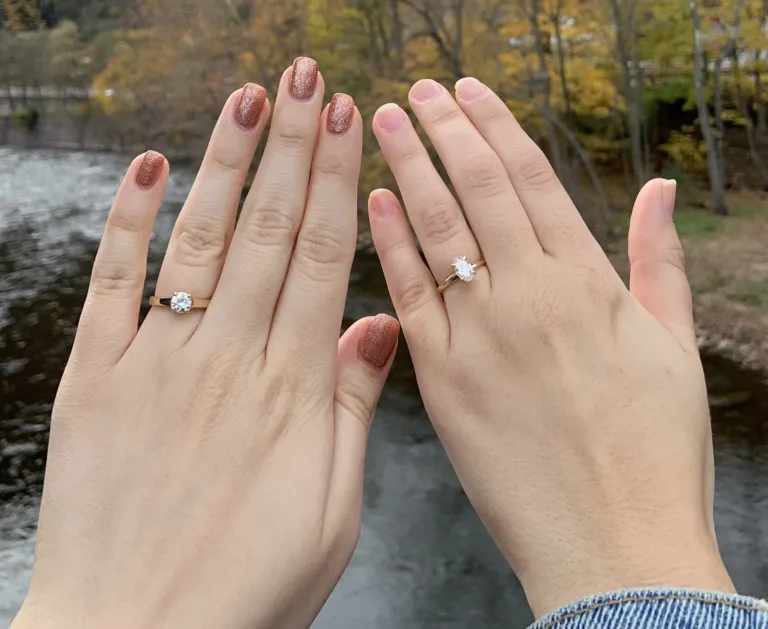
| Visible difference | None to the eye | None to the eye Same |
| How to identify | Lab instruments; origin stated on the report | Lab instruments; origin stated on the report, usually inscribed on the girdle |
| Grading | GIA, IGI and others; 4Cs | IGI, GIA and others; report states laboratory-grown |
| Price | Higher | Typically 30–70% less for the same grade (our 2026 data) |
| Resale | Established secondary market, below retail | Thin resale market; prices have fallen as production scaled |
| Naming (US FTC) | Diamond | Diamond, qualified as laboratory-grown, laboratory-created or similar |
Which one fits you
Choose natural if
Rarity and origin matter to you, you want a stone with a resale market, or it is an heirloom piece meant to last generations.
Choose lab-grown if
You want the most size and grade for your budget and you are buying to wear, not to resell.
Either way
Prioritise cut, insist on an independent report that states origin, and get the return policy in writing.
How to tell which one you are buying
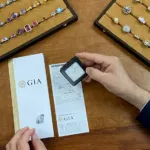
Read the report
Independent labs state natural or laboratory-grown origin on the report itself.
Check the girdle
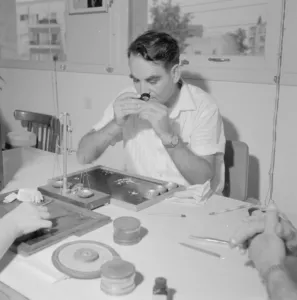
Use a 10× loupe to match the laser inscription with the report number.
Ask for screening
Jewelers can screen stones with lab-grown detection devices; labs confirm with spectroscopy.
Get it in writing
The invoice should name origin and any treatment. If a seller won’t write it, walk away.