











Lab-grown diamonds
Same carbon, same crystal, different origin. Prices, growth methods and how to read a lab-grown report.
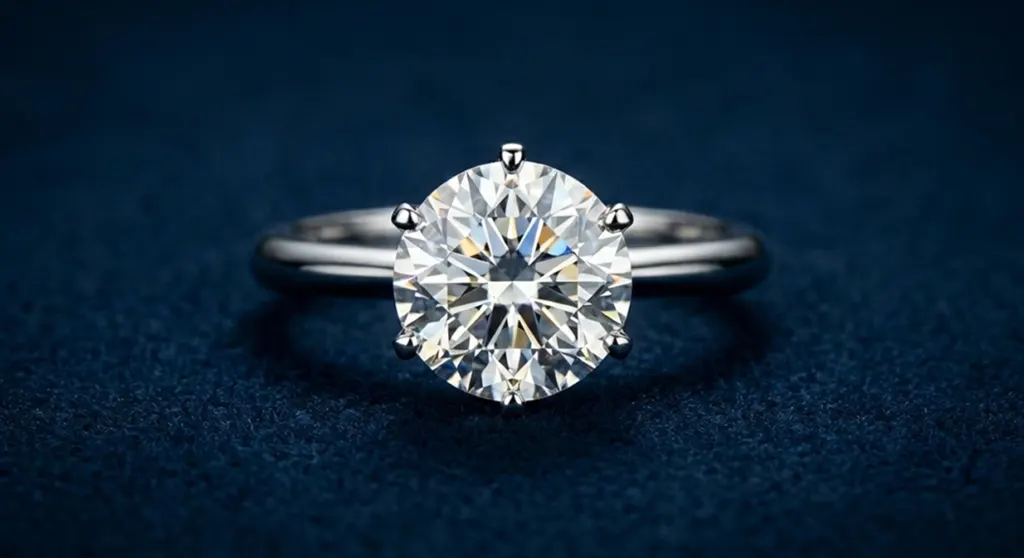
FeaturedThe 50% Tipping Point: Why “Lab Grown Diamond Rings” Overtook Natural in 2026 (Data Analysis)Leo Hart, 3 min read
 Glenn Fawcett · Public domain
A real choice, not a side issue
Natural or lab-grown changes the price, the resale and sometimes the conversation. Weigh it before you shop.
Compare side by side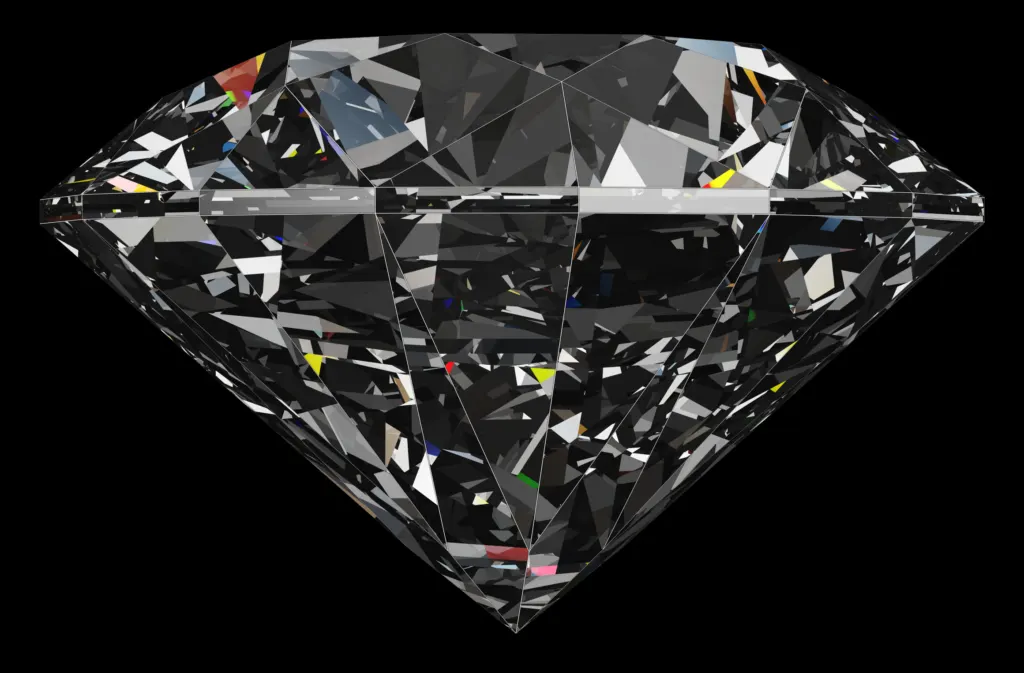
Questions about lab-grown
Are lab-grown diamonds real diamonds?
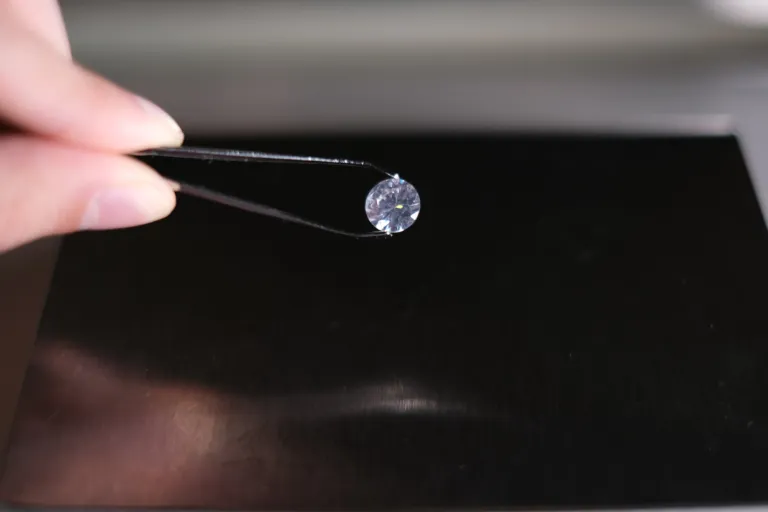
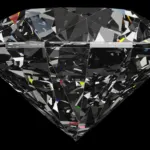
Yes. They are crystalline carbon with the same chemical, physical and optical properties as natural diamonds. Since 2018 the US FTC's Jewelry Guides treat them as diamonds that must be described as laboratory-grown or similar.
How are lab-grown diamonds made?
By two main methods: HPHT (high pressure, high temperature) and CVD (chemical vapor deposition). Both produce diamond crystal; the method can usually be identified only in a lab.
Can a jeweler tell them apart?
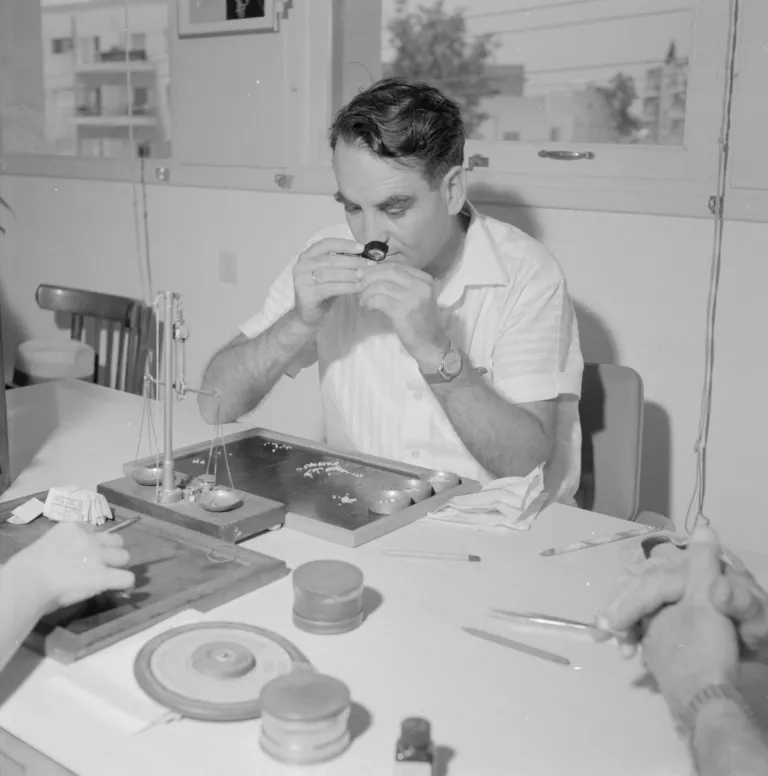
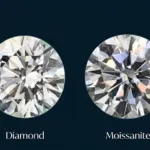
Not by eye. Identification needs laboratory instruments. Reports state the origin and reputable labs inscribe it on the girdle.
Do lab-grown diamonds hold their value?
Resale markets for lab-grown stones are thin and prices have fallen as production has scaled. Buy them for wear, not as a store of value.
Which lab grades lab-grown diamonds?
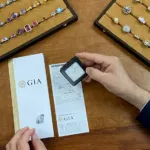
IGI grades a large share of them; GIA also issues laboratory-grown diamond reports. Make sure the report clearly states laboratory-grown origin.