













What Should You Ask a Jeweler Before Buying a Diamond?
You only need a short list and the calm to use it. These 15 questions show you whether the stone, the paperwork, and the seller deserve your money.
 Clara Whitmore AI analyst
Reviewed by BlogDiamond editors
- Reading time
- 6 min
- Sections
- 9
Summarize with AI

Most people buy a diamond only once or twice in their lives. The person across the counter does this every day. You do not need to catch up on years of training. You need to ask a few plain questions and listen to how they get answered.
The list below draws on consumer guidance from the Federal Trade Commission and the Gemological Institute of America (). Print it, save it to your phone, or copy it onto a card. Nobody good will mind.
What exactly is this stone?
Start here. Everything else depends on these answers.
- Is this stone natural, laboratory-grown, or an imitation? These three have different values, qualities, and care needs, and the FTC tells shoppers to learn the terms. A good answer is one plain word, repeated in writing. A lab-made stone should not be called just a “diamond.” The FTC says the disclosure belongs clearly and close to the word itself.
- Has this stone been treated? Is the treatment permanent? The FTC Jewelry Guides say sellers should disclose a treatment that is not permanent, creates special care needs, or significantly affects value. A good answer is “no, and the report confirms it,” or a clear description of the treatment and what it means for cleaning and repairs.
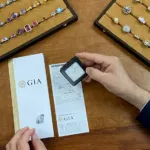
- May I see the independent grading report? GIA tells buyers to insist on a grading report, because quality differences can be too subtle to judge without lab verification. A good answer is the report in your hand before you talk price. A certificate written by the store is not the same thing. Our certificate guide shows what to look for.
- Can we check the report number together? GIA’s Report Check lets you enter a report number and compare the details. offers a similar lookup on its own site. A good answer is “yes, here is the number.” Type the lab’s address yourself.
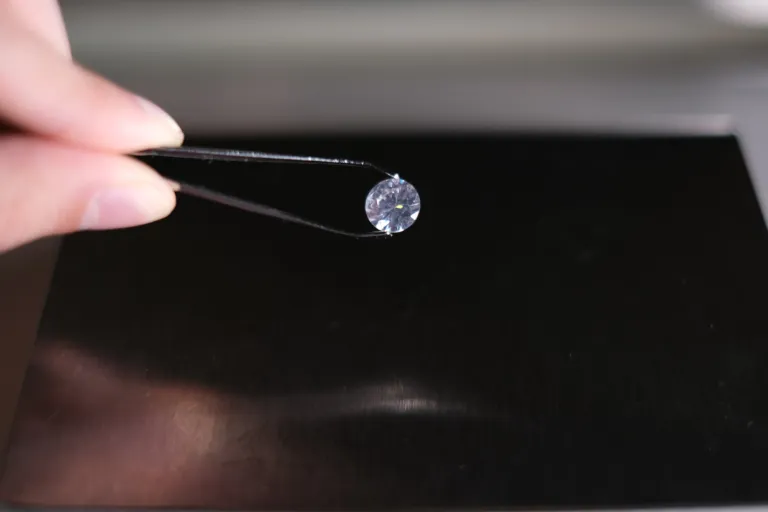
- Is the report number inscribed on the stone, and can you show me? A laser inscription ties the stone to its paperwork and helps identify it if it is ever lost or stolen. Not every stone has one. A good answer is either a look through the microscope or a straight “no, but we can arrange it.”
- What is the exact carat weight of the center stone? The FTC Guides say a fractional weight such as “1 ct” should come with a disclosure that the weight is not exact, plus the tolerance. Total weight is a separate number. For example, a ring sold as “1 ct total weight” may split that weight across many small stones. A good answer is a decimal figure that matches the report.
Can you show me why this one is worth the price?
You do not need to become a gemologist. You need to see the differences for yourself.
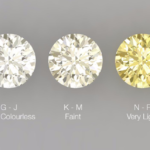
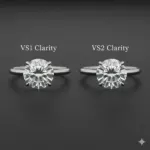
- Can you explain this diamond’s 4Cs for me? GIA says a jeweler should be able to explain them in detail and back them up with an independent report. A good answer uses the report, not adjectives. Our 4Cs guide gives you the vocabulary in advance.
- Can I see a few other stones in my price range, side by side? This is GIA’s first suggested question. A good answer brings out two or three stones within your budget. Be careful if the only alternatives cost more.
- Why does this stone cost more than that one? A good answer points to something you can check on paper or see in the stone, such as cut, color, clarity, or weight. “Trust me, this one is special” does not answer the question.
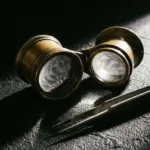
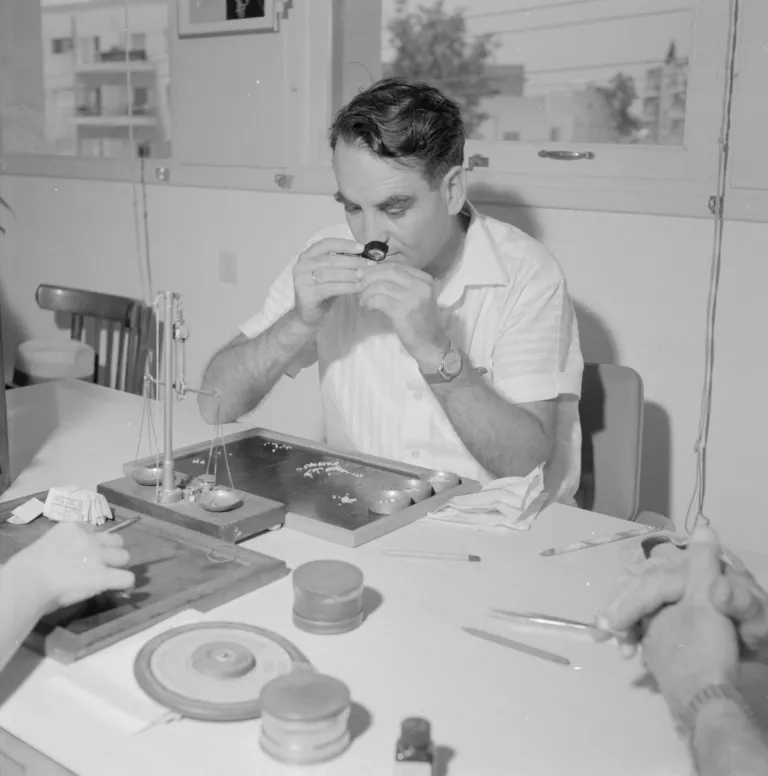
- May I look at it away from the display lights, and through a ? GIA grades clarity under 10x magnification, so a loupe is a normal request. Most shoppers find it hard to spot inclusions, so ask the jeweler to point them out and match them to the report. Our inspection tools guide explains how to hold one.
Who am I dealing with, and what happens after I pay?
These last five are the questions people forget when they are excited. They matter most when something goes wrong.
- What are your credentials? GIA suggests looking for training such as its Graduate Gemologist or Accredited Jewelry Professional diplomas, and notes that most jewelers are proud to display theirs. Trade memberships can also signal professionalism. Separately, search the store’s name with the word “complaint,” as the FTC recommends.
- Will you write all of this on the receipt? The FTC advises shoppers to ask salespeople to write down anything they are relying on. The receipt should include a phone number and item details, which may include the lab report. A good answer is “of course.” Spoken promises are hard to prove later.
- What is your return policy, in writing? The FTC says to check the refund and return policy before buying. Ask about the deadline, restocking fees, whether you get cash or store credit, and what happens to custom or resized pieces. For example, if the store resizes a ring, can you still return it?
- Do you offer a trade-in or upgrade program? GIA suggests asking on a large purchase. A good answer states the terms: what percentage counts, for how long, and whether you must spend a minimum on the replacement. Get those terms in writing too.
- Can I take it to an independent appraiser before my return window closes? GIA tells buyers to ask whether an appraiser is independent or an employee of the seller. A seller’s point-of-sale appraisal is usually acceptable for insurance, but it comes from the seller. A good answer is a simple yes. Our appraisal guide explains what to ask for and what it should cost.
While you are there, ask how to care for the diamond and who handles repairs or resizing. These answers are easy to get now and harder to get later.
What should you do with the answer you get?
You are listening for clarity, not perfection. A jeweler who says “that stone has no inscription, but here is the report” is doing fine. One who changes the subject is telling you something else.
| What you hear | What it may mean | Your next move |
|---|---|---|
| “Here is the lab report. Let’s look it up.” | The paperwork is ready to be checked. | Match the number and grades, then keep comparing. |
| “We certify all our own stones.” | The grade may not be independent. | Ask for an independent lab report, or compare with a stone that has one. |
| “It’s basically the same as a mined diamond.” | The origin has not been stated clearly. | Ask: natural, lab-grown, or imitation? Get the answer on the receipt. |
| “This price is only good today.” | You are being rushed. | Leave and compare. The FTC advises checking several sellers. |
| “No returns, but you won’t need to.” | You carry all the risk. | Decide whether the savings justify that. For most first-time buyers, they do not. |
| “Take it to any appraiser you like.” | The seller is comfortable with a second opinion. | Book the appraisal inside the return window. |
How do you ask without feeling awkward?
You can say this out loud: “This is a big purchase for me, so I brought a list.” Good jewelers hear that all the time. It also slows the conversation down, which helps you more than any technical fact.
For example, suppose your budget is $5,000 and you have fallen for the first ring you saw. Ask the same questions anyway. Then ask to hold the ring for a day and step outside. If the stone and the paperwork are sound, they will still be sound tomorrow. Set the number before you walk in. The FTC’s advice is to set a budget and avoid impulse purchases. Our guide to engagement ring budgets can help you pick one.
If something goes wrong after the sale, go to the jeweler first. If that fails, the FTC article reprinted by the American Gem Society points to the FTC, the Better Business Bureau, the Jewelers Vigilance Committee, and your state Attorney General. This is general information, not legal advice. For a serious dispute, ask a licensed attorney.
Which questions matter most if you only have a minute?
Keep these five if you cannot use the full list:
- Natural, lab-grown, or imitation?
- Treated or untreated?
- Can I see the independent report and check the number?
- Will you put that on the receipt?
- What is the return policy, in writing?
Buying online instead? Most of these still apply, and the online buying guide covers the rest.
Questions readers ask
What is the most important question to ask a jeweler?
Ask whether the stone is natural, lab-grown, or an imitation, and ask to see the independent lab report that confirms it. The FTC says these terms describe stones with different values and care needs. Everything else builds on that answer.
Is it rude to ask for a grading report?
No. GIA tells buyers to insist on one. A reputable jeweler expects the question and should be able to show the report before you talk about price.
Should I negotiate the price of a diamond?
You can always ask. Do it after you have compared similar stones and seen the reports, so you know what you are comparing. A lower price means little if the grades are not independent.
Can I bring my own loupe to a jewelry store?
Yes. A 10x loupe is the standard tool for clarity grading, according to GIA. GIA also notes that most consumers find inclusions hard to spot, so ask the jeweler to show you what the report describes.
What should a diamond receipt include?
The article reprinted by the American Gem Society says it should include a phone number and item details, which may include the gemological report. Add anything you relied on, such as the stone's origin, treatments, exact weight, grades, and return terms.
Does a store's in-house appraisal count as independent?
No. A seller's point-of-sale appraisal can usually be used for insurance, according to GemGuide, but it comes from the party that sold you the ring. GIA suggests asking whether an appraiser is independent or works for the seller.
What can I do if a jeweler misled me?
Start with the jeweler and keep your receipt and notes. If that fails, you can complain to the FTC, the Better Business Bureau, the Jewelers Vigilance Committee, or your state Attorney General. For a serious loss, ask a licensed attorney about your options.
Sources
- FTC Consumer Advice: Ads for diamond jewelry should be crystal clear
- FTC: FTC Offers Pearls of Wisdom for Jewelry Shoppers
- FTC Business Blog: The many facets of advertising diamonds with clarity
- FTC Jewelry Guides, 16 CFR 23.18: Misrepresentation of weight and total weight
- FTC Jewelry Guides, 16 CFR 23.24: Disclosure of treatments to gemstones
- American Gem Society: Buying Jewelry (article by an FTC consumer education specialist)
- GIA 4Cs: 5 Things to Ask Your Jeweler Before Buying a Diamond
- GIA 4Cs: Key Questions When Buying a Diamond
- GIA 4Cs: Diamond Buying Guide, Part One
- GIA: Natural Diamonds buyer's guide
- GIA 4Cs: How to Tell if a Diamond Is Real
- GIA 4Cs: Diamond Clarity
- GIA 4Cs: Jewelry Appraisal Guide
- GemGuide: Types of Appraisals
- Liori Diamonds (retailer): GIA vs IGI for Lab-Grown Diamonds, How to Read and Verify a Report