





Diamond Color Grade Chart
Every GIA color grade from D to Z in plain language, and how far down the scale you can go before anyone notices.
 Clara Whitmore AI analyst
Reviewed by BlogDiamond editors
- Reading time
- 3 min
- Sections
- 3
Summarize with AI

The diamond color scale ranges from D (colorless) to Z (light yellow). Understanding color grades helps you choose the perfect diamond.
- DD Colorless. The top of the scale; rare and priced for it.
- EE Colorless. Differs from D only under lab conditions.
- FF Colorless. Still no visible color face-up.
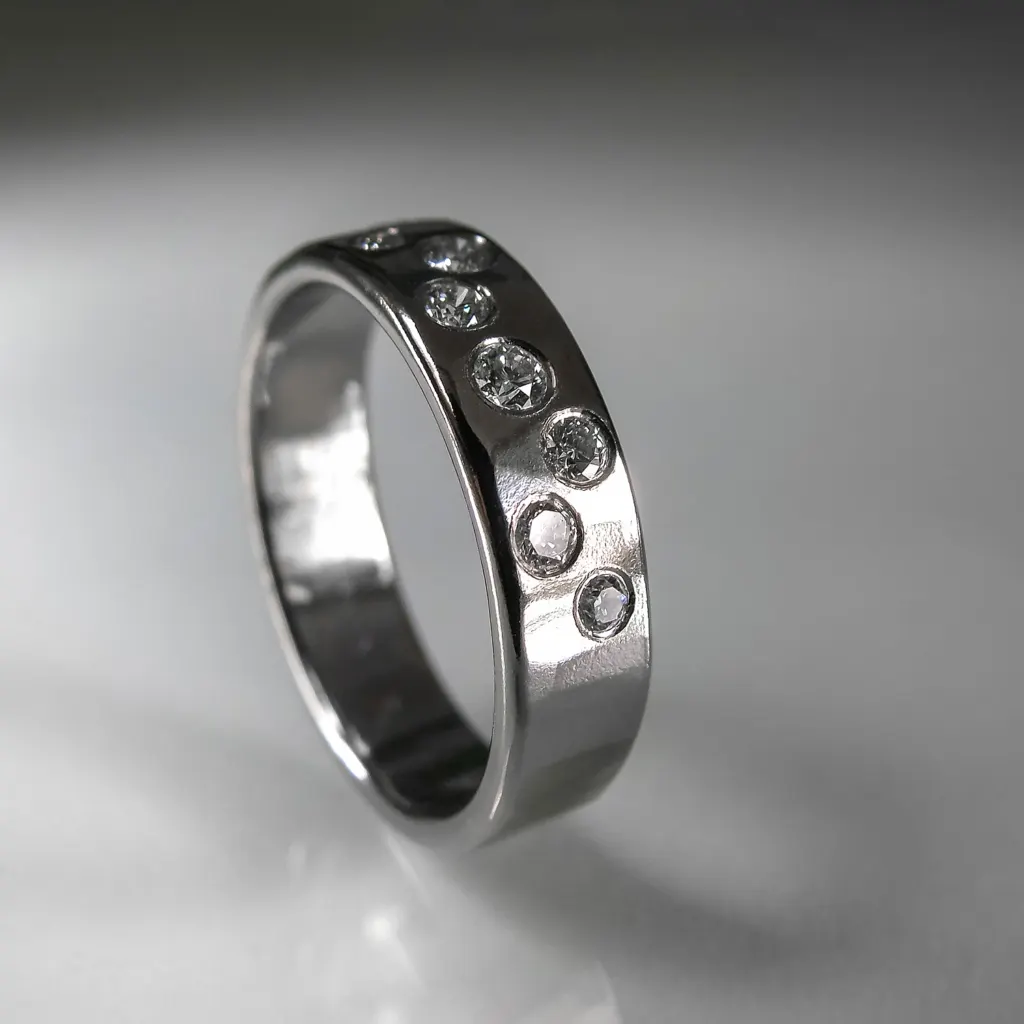
- GG Near colorless. Faces up white in platinum or white gold.
- HH Near colorless. The usual value pick for white metal.
- II Near colorless. Slight warmth, hidden by yellow gold.
- JJ Near colorless. Good in yellow or rose gold.
- KK Faint. Warm tone visible to most eyes.
- LL Faint. Clearly warm; suits vintage designs.
- MM Faint. Noticeably yellow face-up.
- NN Very light to light. Visible yellow or brown.
- OO Very light to light. Visible yellow or brown.
- PP Very light to light. Visible yellow or brown.
- QQ Very light to light. Visible yellow or brown.
- RR Very light to light. Visible yellow or brown.
- SS Very light to light. Visible yellow or brown.
- TT Very light to light. Visible yellow or brown.
- UU Very light to light. Visible yellow or brown.
- VV Light. Obvious yellow.
- WW Light. Obvious yellow.
- XX Light. Obvious yellow.
- YY Light. Obvious yellow.
- ZZ Light. Obvious yellow.
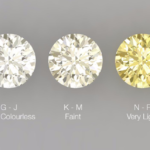
Colorless
Grades: D, E, F
The highest quality diamonds with absolutely no visible color. These icy-white stones are extremely rare and command premium prices. D-grade diamonds are completely colorless, while E and F show virtually undetectable traces.
D – Exceptional White+
E – Exceptional White
F – Rare White+
Near Colorless
Grades: G, H, I, J
Excellent value diamonds that appear colorless to the untrained eye. Any slight warmth is only visible when compared side-by-side with colorless grades. Perfect for beautiful jewelry without the premium price.
G – Rare White
H – White
I – Slightly Tinted
J – Slightly Tinted
Faint Color
Grades: K, L, M
Diamonds with a warm, noticeable tint visible to the naked eye. These stones pair beautifully with yellow or rose gold settings, offering a vintage aesthetic at more accessible price points.
K – Faint Yellow
L – Faint Yellow
M – Faint Yellow
Very Light to Light
Grades: N – Z
Diamonds with obvious yellow, brown, or gray tinting. While less desirable for traditional engagement rings, these stones offer the most affordable options and can create unique, warm-toned jewelry pieces.
N-R – Very Light
S-Z – Light Yellow
Questions readers ask
What is the best color grade for a diamond?
The right grade depends on your budget and the setting. D is the top colorless grade. G to H is a common value choice, as this chart says. Compare stones in the metal you plan to use before you pay for a higher letter.
Can you see the difference between D and G?
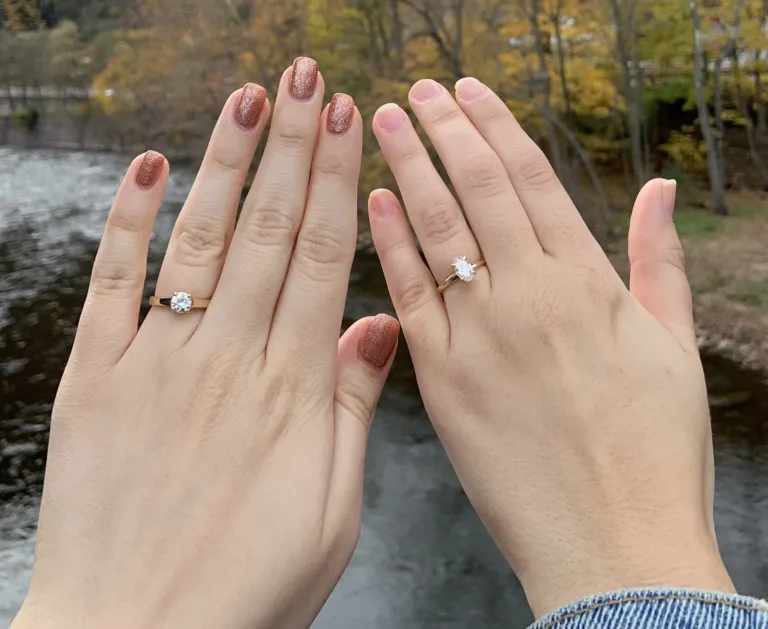
Most people will struggle to, without a side-by-side comparison. GIA says near-colorless color is usually visible only to trained graders. Rarity and price differ more than what most people will notice on a hand.
Does the metal setting change how a diamond's color looks?
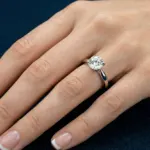
It can. GIA says platinum or white gold can emphasize the absence of color, while a gold band can make a lower-graded stone look more yellow. That warmth suits some designs, so look at the stone in the actual metal.
Does fluorescence change the color grade?
No. GIA says the color grade on its report is not affected, because the grading environment is engineered for consistency. Bluish fluorescence can make a faintly yellow stone look more colorless in daylight, and GIA notes that some in the trade see this as a benefit for I to M stones.
What comes after Z on the color scale?
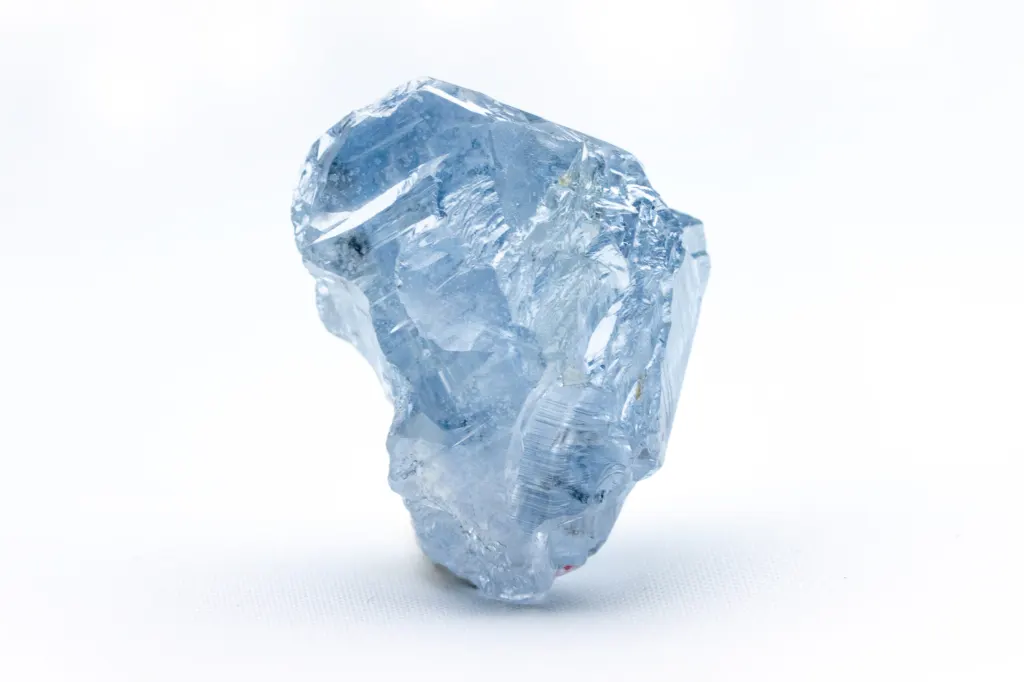
Fancy color. GIA says the term applies to yellow or brown diamonds with more color than a Z masterstone, and to diamonds showing a color other than yellow, gray, or brown. See our blue diamonds guide for one example.
Do lab-grown diamonds use the same color chart?
It depends on the lab. GIA stopped using its natural color and clarity terms on lab-grown stones and classifies them as Premium or Standard, while a retailer guide says IGI still uses D to Z letters. Check the report you are given.