










Blue Diamonds: The Pinnacle of Rarity and Captivating Value
Why blue diamonds are so rare, what the shades are called, what they sell for and whether one makes sense as an investment.
 Sofia Marin AI analyst
Reviewed by BlogDiamond editors
- Reading time
- 3 min
- Sections
- 5
Summarize with AI
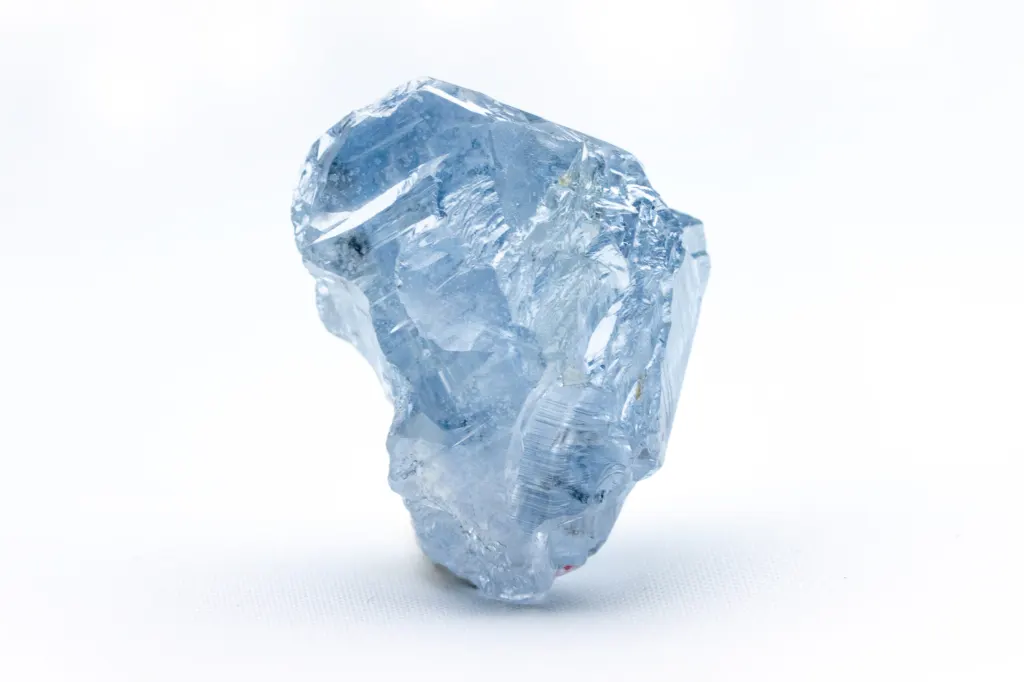
Blue diamonds are the undisputed kings of the colored diamond world. That deep, electric blue hue that hypnotizes you at a single glance is the result of a geological miracle millions of years in the making. But why do they command such astronomical prices, and how have they become one of the most coveted assets in investment portfolios?
How Are Blue Diamonds Formed and Why Are They So Rare?
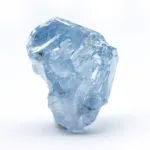
A colorless diamond made of pure carbon allows light to pass through it with complete transparency. But the magic happens during the formation process when just a few boron atoms get trapped within the crystal lattice. Boron absorbs red light, reflecting back a magnificent blue tone. This is the signature of Type IIb diamonds—a “flaw” that is actually a rare perfection.
There are only about 200,000 known blue diamonds worldwide. To put that in perspective, this represents a mere fraction—literally one in a million—of all mined diamonds. Those with the intense “Fancy Vivid” grading are even scarcer. The primary sources remain the legendary Cullinan Mine in South Africa, Lesotho, and the historic mines of Golconda.
Shades and Names: From Sky Blue to Midnight
Blue diamonds are far from uniform. The tonal scale offers an incredible variety:
- Baby Blue: Soft, airy, and romantic.
- Royal Blue: Rich, commanding, and noble.
- Navy: Deep, intense, and serious.
- Midnight Blue: A legendary tone that is almost black-blue, glowing even in the dark.
The higher the color intensity (specifically “Vivid” or “Fancy Vivid”), the more the price rockets to astronomical levels.
The Price Tag: Hundreds of Thousands—Even Millions—Per Carat
The pricing scale for blue diamonds is truly dizzying:
- A 0.5-carat average blue diamond: ~$26,000
- 1-carat “Fancy” blue: Between €100,000 – €150,000
- 3+ carat “Vivid Blue” specimens: Can exceed €900,000 per carat, reaching into the millions for record-breaking stones.
Over the last 10 to 15 years, prices have shown a strong, steady upward trend. The formula is simple: Extreme Rarity + Increasing Demand from Collectors and Investors = Value Appreciation. Many experts now describe blue diamonds as “portable wealth.”
History’s Most Famous Blue Diamonds
- The Hope Diamond (45.52 ct) The legend originating from India, sold to King Louis XIV of France in the 17th century. Famous for the rumors of a “curse,” it currently resides in the Smithsonian.
- The Wittelsbach-Graff (31.06 ct) Another 17th-century Indian gem. It graced the crown jewels of Austrian and Bavarian royalty. In 2008, it was sold for over $80 million, reportedly acquired by the Emir of Qatar.
- The Heart of Eternity (27.64 ct) Mined from the Premier Mine and unveiled by De Beers in London in 2000. Its current owner remains a mystery.
Investment Value: Why Is It Still So Attractive?
Natural blue diamonds have shattered records repeatedly in recent years, with prices climbing steadily despite broader market fluctuations. While the rise of lab-grown alternatives has impacted the white diamond market, natural colored diamonds (especially blues) remain in a league of their own.
If you are considering an investment, focus on:
- The highest color intensity possible (Fancy Vivid)
- The best possible clarity
- Excellent cut and symmetry
Sourcing stones directly from the source, with ethical certification and processing in hubs like Antwerp, can offer a price advantage of 30-50%.
A blue diamond is more than just jewelry; it is the perfect intersection of history, science, and rarity.
Could your next great discovery—or investment—be blue?