























What Does a Diamond Appraisal Cost, and Do You Need Insurance?
An appraisal and an insurance policy solve different problems. Pay a flat or hourly fee to an independent appraiser, then check whether your policy actually covers a lost ring.
 Clara Whitmore AI analyst
Reviewed by BlogDiamond editors
- Reading time
- 5 min
- Sections
- 10
Summarize with AI
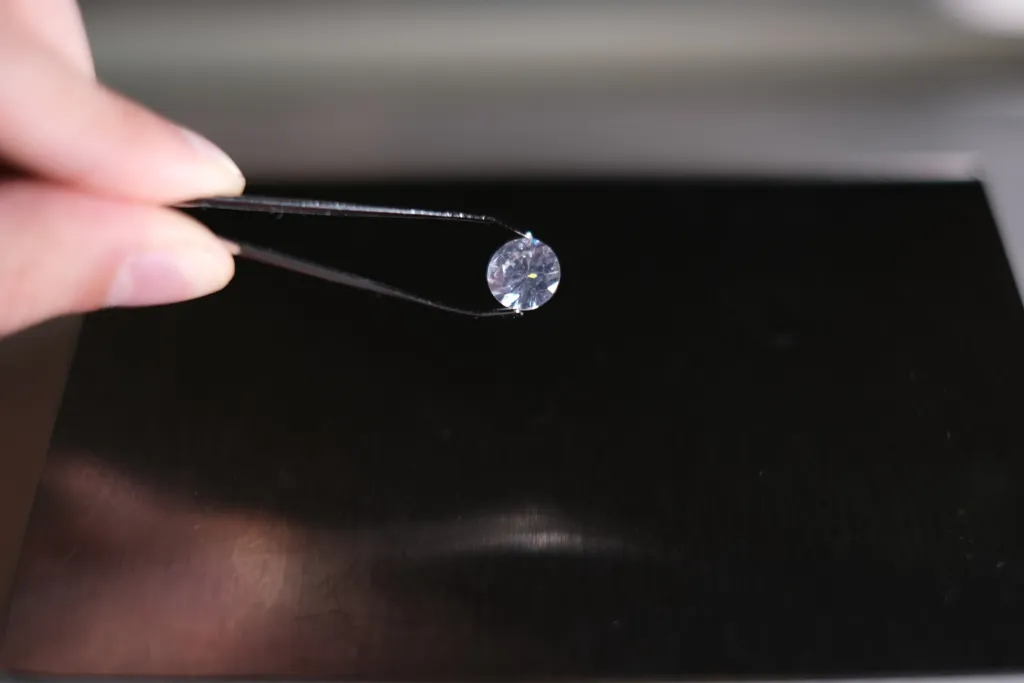
A week after buying a ring, it finally hits you: this small, expensive object goes everywhere with you, including to the kitchen sink. That is a fine moment to sort out an appraisal and insurance. Both are simple once you know what each one is for.
What is an appraisal, and what is it not?
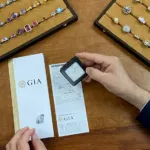
GIA draws a clear line. An appraisal estimates a diamond’s monetary worth. A grading report describes its quality and does not state a value. itself does not appraise or price gems or jewelry.
You may want both. An appraiser uses a grading report to reach a value, and GIA notes that appraisers and insurers rely on those reports. Our certificate guide explains how to read one.
An appraisal is also an opinion for a stated purpose. It is not an offer. The number on an insurance appraisal does not mean anyone will pay you that amount.
Which value do you need?
The same ring can legitimately have several values. The American Society of Appraisers says a report should state the type of value used, such as fair market value for taxes and replacement value for insurance.
| Your goal | Value to ask for | What it answers |
|---|---|---|
| Insuring the ring | Replacement value | What would a similar ring cost to replace? |
| Estate or tax matter | Fair market value | What would a willing buyer pay a willing seller? |
| Thinking about selling | Fair market value | What baseline should I use when judging offers? |
| Forced or quick sale | Liquidation value | What might it bring when time is short? |
For example, an insurance appraisal could say $8,000, while a buyer offers far less. That does not automatically mean anyone lied. It may simply mean they answered different questions. GIA defines fair market value as what a willing buyer will pay a willing seller, and it recommends that value when you are selling.
What should an appraisal cost?
A guide produced by the jewelry insurer BriteCo says a jewelry appraisal usually costs about $75 to $100, with traditional fees from $50 to $200, and a ring appraisal commonly costs $65 to $200, depending on value, design, and complexity. Treat this as one company’s estimate, accessed November 2026. Get a written quote from the appraiser you choose. Large, antique, or complex pieces may cost more.
The fee structure matters more than the exact figure. GemGuide says that appraisers may charge a flat fee per item or by the hour. Some charge more for a larger center stone. What you should not accept is a percentage of value. GemGuide calls that unethical in the appraisal industry, since it rewards a higher number. The American Society of Appraisers is just as direct: never use an appraiser who charges a percentage.
Who should you hire?
Start with the appraisal associations. GIA says their members must follow ethical and professional standards, and referrals from them are a reasonable starting point. Then ask these questions, which draw on GIA and American Society of Appraisers guidance:
- Are you independent, or do you work for a seller? (GIA’s question)
- What are your gemological and appraisal training and designations?
- Do you have experience with this type of piece?
- Do you have a current or future interest in this ring? (The ASA says to avoid anyone who does.)
- What will it cost, and how long will it take?
- Does your insurance cover my ring while you have it?
Be careful with the phrase “GIA certified appraiser.” GIA says it does not certify graduates or offer appraisal training. A Graduate Gemologist diploma is a real credential, but it is a different thing from appraisal training.
Check the report when you get it. GIA says it should include the date, the purpose, a clear description, the value, limiting conditions, disclosures, and the appraiser’s signature and qualifications. If you just bought the ring, the seller’s point-of-sale appraisal is usually acceptable for insurance. A second, independent view can still be worth paying for, as our jeweler question list explains.
Does your homeowners insurance cover a ring?
Partly, and maybe not in the way you assume. Triple-I says a standard policy covers jewelry against perils such as fire and theft, but sets a special limit for jewelry theft, generally about $1,500. MoneyGeek adds that jewelry that vanishes with no known cause generally is not covered by standard coverage.

For example, if a $6,000 ring is stolen and your theft limit is $1,500, your policy may pay no more than $1,500, minus any deductible that applies. If you lose it down a drain, your standard policy may pay nothing. Your own policy decides this, so read the jewelry section or ask your agent.
Which coverage should you choose?
| Option | Typically covers | Watch for | Often fits |
|---|---|---|---|
| Standard homeowners or renters policy | Named perils such as theft, up to a low special limit | Low limit, deductible, unexplained loss excluded | Inexpensive pieces |
| Raising the jewelry limit | More theft coverage across your jewelry | Still capped per piece and overall | Several moderate pieces |
| Scheduled floater or endorsement | The listed ring at its stated value, usually including accidental loss | Appraisal required; check the settlement terms | One valuable ring |
| Standalone jewelry policy | The piece under a separate policy | Insurer and terms vary; compare with your existing coverage | Renters or those wanting a separate policy |
Triple-I says a floater offers the broadest protection, including accidental losses such as a ring slipping down a drain, and that items must be professionally appraised. BriteCo’s guide estimates premiums at about 1% to 2% of appraised value per year. That is a company’s estimate, and it sells this coverage. On a $6,000 ring, that range works out to $60 to $120 a year. Get real quotes.
Ask each insurer these questions:
- Do you cover loss, theft, damage, and unexplained disappearance?
- Is there a deductible? Does it apply to scheduled items?
- Do you pay cash, or do you replace the ring with your own jeweler?
- Does a claim affect my homeowners record?
- Am I covered when traveling, and from what date?
The right answer depends on your policy and your state. For binding answers, ask a licensed insurance professional.
How often should you update the appraisal?
GIA says many appraisers suggest updating every two to three years, and that you should check your insurer’s requirements. BriteCo’s guide says every three to five years, or sooner if something changes. Ask your insurer, since their rule is the one that counts for your claim. Prices can move in either direction, and falling values matter too. If prices drop, an old appraisal could leave you paying premiums on a value well above what a replacement would cost today.
Keep copies of the appraisal, grading report, and receipt somewhere safe and away from the ring. Add clear photos. GIA also suggests laser inscribing the report number, which helps identify a stone if it is lost or stolen. These small steps take an afternoon and are much easier to do before a claim than after one.
Questions readers ask
How much does a diamond appraisal cost?
A guide produced by the jewelry insurer BriteCo says a ring appraisal commonly costs $65 to $200, depending on value, design, and complexity. That is one company's estimate, accessed November 2026. Ask for a written quote before work begins.
Why shouldn't an appraiser charge a percentage of value?
It rewards a higher number. GemGuide calls percentage fees unethical in the appraisal industry, and the American Society of Appraisers tells consumers never to use an appraiser who charges them.
Is an appraisal the same as a GIA report?
No. GIA says an appraisal estimates monetary worth, while a grading report assesses quality and does not state value. GIA does not perform appraisals, though appraisers rely on its reports.
Why is my appraisal so much higher than what a buyer offers?
Often, the two numbers answer different questions. An insurance appraisal usually states replacement value, while a buyer's offer reflects resale. For selling, ask for a fair market value appraisal, as GIA recommends.
Does homeowners insurance cover a lost engagement ring?
Often not without added coverage. Triple-I says standard theft limits are generally about $1,500, and MoneyGeek says unexplained loss generally is not covered under standard terms. Check your policy for your exact coverage.
How much does engagement ring insurance cost?
BriteCo's guide estimates about 1% to 2% of appraised value per year, so $50 to $100 on a $5,000 ring. It is an insurer's estimate, and location and coverage terms change the price. Ask for real quotes.
How often should I update a jewelry appraisal?
GIA says many appraisers suggest every two to three years, while BriteCo's guide says every three to five. Follow your insurer's requirement if it has one, and update after any repair or major price change.
Sources
- GIA 4Cs: What Is the Difference Between a Diamond Grading Report and an Appraisal?
- GIA 4Cs: Jewelry Appraisal Guide
- GIA 4Cs: Diamond Buying Guide, Part One
- GIA 4Cs: How to Sell Your Gemstones and Jewelry
- GIA: Natural Diamonds buyer's guide
- American Society of Appraisers: FAQs for Consumers
- GemGuide: Appraisal Fees
- GemGuide: Types of Appraisals
- Stacker, produced by BriteCo (a jewelry insurer): How jewelry appraisal works and what it costs
- Stacker, produced by BriteCo (a jewelry insurer): How to know whether jewelry insurance is worth it
- Triple-I: Special coverage for jewelry and other valuables
- MoneyGeek: Does home insurance cover engagement rings?