













What Exactly Is an IGI Certified Diamond?
You will see IGI on most lab-grown stones. Who IGI is, what its report tells you and when you may prefer GIA.
 Clara Whitmore AI analyst
Reviewed by BlogDiamond editors
- Reading time
- 3 min
- Sections
- 7
Summarize with AI

| Your situation | Often fits | Why | Check first |
|---|---|---|---|
| Lab-grown, you want color and clarity letter grades | IGI | GIA stopped using its natural color and clarity terms on lab-grown reports | The report itself, on IGI's site |
| Lab-grown, an overall quality class is enough | GIA or IGI | GIA classifies stones as Premium or Standard | Compare the actual stones |
| Natural, high budget or resale matters to you | GIA | This guide's view: GIA holds the stronger reputation for natural stones | Report Check and the plotted diagram |
| Natural, budget-focused | IGI can work | Grades may not map exactly between labs, so judge the stone itself | Compare against a GIA stone of similar grades |
| Already have an older report | Keep it | GIA says its existing lab-grown reports remain valid | Verify the number |
Whether you are hunting for a classic natural stone or exploring the booming world of lab-grown diamonds, you have probably noticed one acronym popping up everywhere: .
Alongside , the International Gemological Institute (IGI) is one of the biggest names in the industry. But seeing that logo on a certificate brings up some valid questions: Is it trustworthy? Does it carry the same weight as GIA? And most importantly, is it safe to buy one in 2026?
Let’s cut through the noise and look at the facts.
Who is IGI?
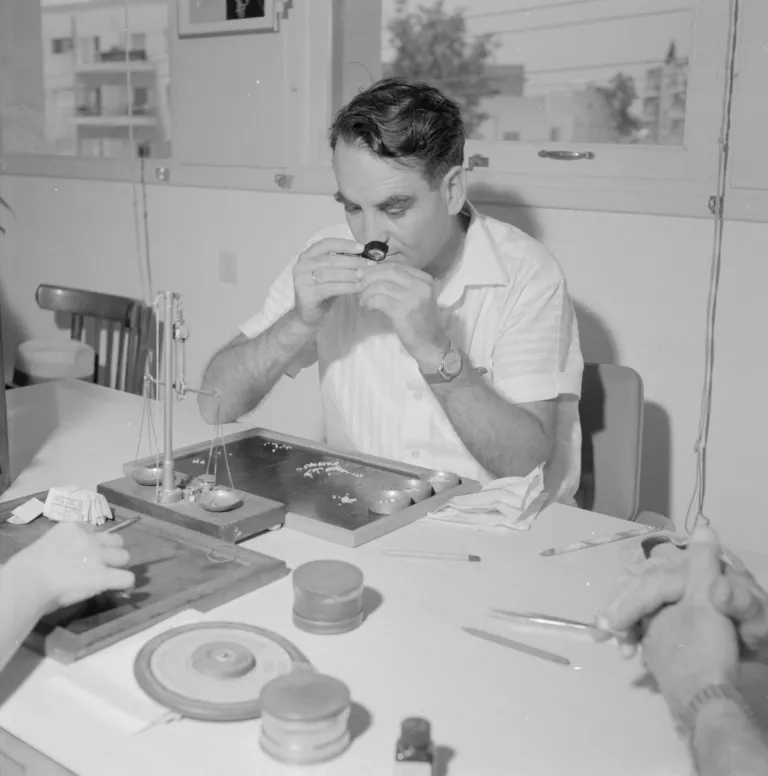
Founded in 1975 in Antwerp, Belgium—the historic “diamond capital” of the world—IGI isn’t just another lab. It is the largest independent gemological laboratory on the planet.
While they have a massive global footprint with offices in New York, Mumbai, Hong Kong, and beyond, they are best known today for being the pioneers of lab-grown diamond grading. They grade everything from natural mined diamonds and colored gemstones to finished jewelry, but their dominance in the synthetic market is where they truly shine right now.
What Does Their Report Actually Tell You?
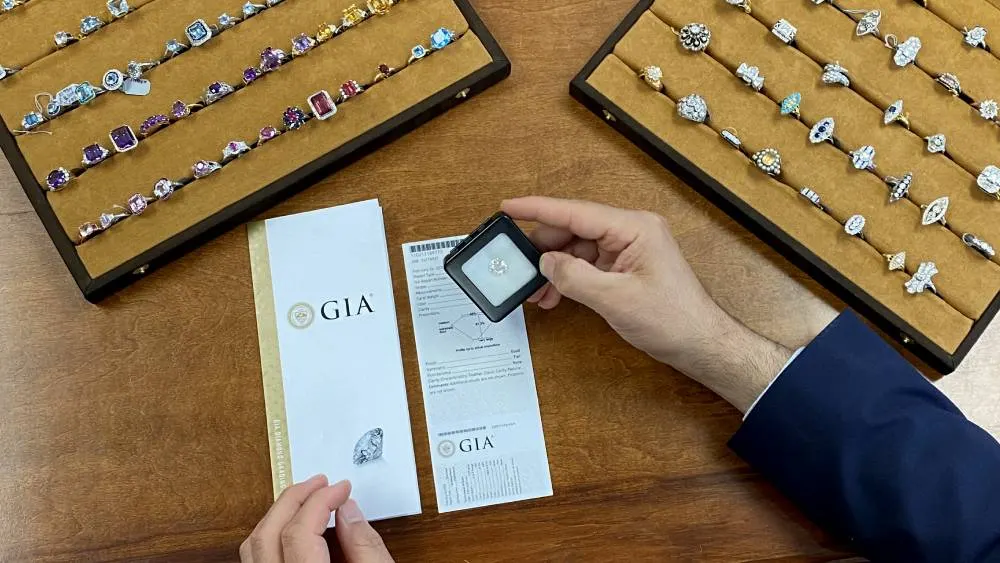
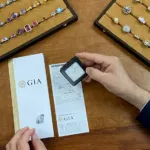
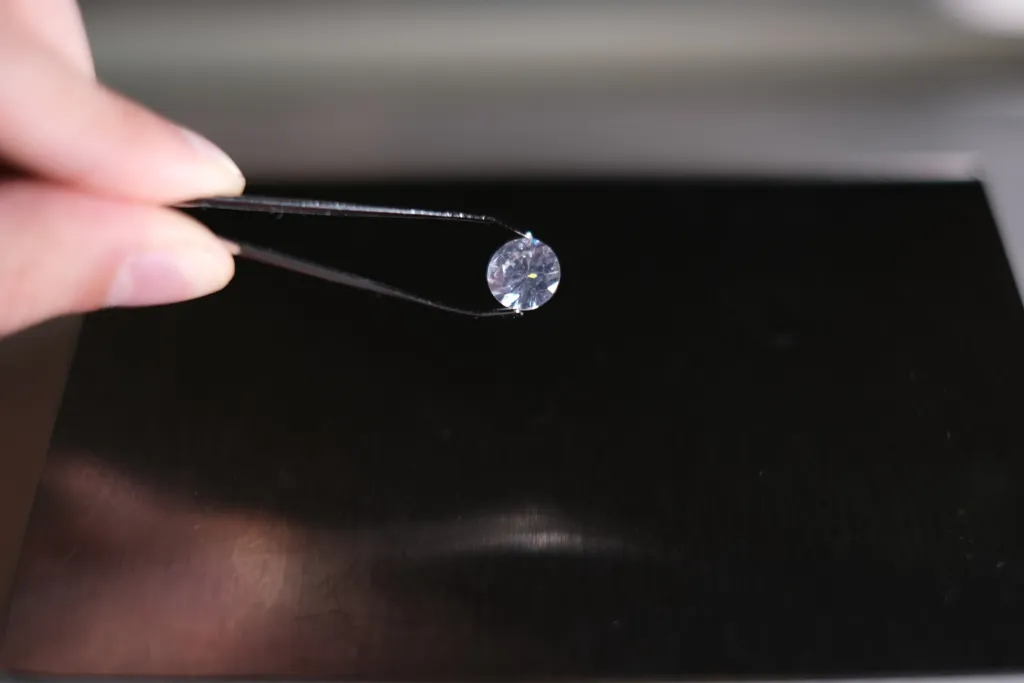
Think of an IGI Diamond Report as a “birth certificate” for your stone. It strips away the marketing fluff and gives you an objective breakdown of what you are actually buying based on the standard 4Cs:
- Carat: The weight, measured precisely to the hundredth decimal.
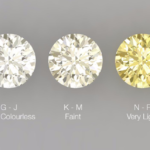
- Color: Where the diamond falls on the scale from D (colorless/ice white) to Z (warm yellow).
- Clarity: How clean the stone is, ranging from Flawless down to Included (I3).
- Cut: How well the diamond interacts with light (Excellent, Very Good, etc.).
Beyond the basics, a modern IGI report also includes a map of the diamond’s (clarity plot), laser inscription details, and—crucially—a clear declaration of whether the diamond is Natural or Lab-Grown.
The Big Question: Is IGI Reliable?
The honest answer for 2026: Yes. But context matters.
If you are buying a lab-grown diamond, IGI is arguably your best option. Since GIA simplified their lab-grown reports (offering less detail on color and clarity for some time), IGI stepped up to become the gold standard for detailed grading in the lab-grown sector.
However, for natural diamonds, the reputation is slightly different. Here is a realistic breakdown of how they compare to GIA today:
| Feature | IGI | GIA (The Traditional Standard) |
| Reputation | Excellent for lab-grown; Solid for commercial natural stones. | The absolute “Gold Standard” for natural diamonds. |
| Grading Strictness | Can be slightly more lenient on Color/Clarity (1-2 grades). | Extremely strict and conservative. |
| Price Impact | Stones are often 8–20% cheaper than comparable GIA stones. | Commands the highest price and resale value. |
| Best For… | Lab-grown buyers & budget-savvy natural buyers. | High-investment natural diamonds & strict collectors. |
Pros and Cons: A Quick Summary
Why You Might Love IGI:
- Availability: You will see them everywhere, especially with modern online retailers.
- Detail: They provide full, specific grading for lab-grown diamonds (unlike some competitors who use broader ranges).
- Value: An IGI natural diamond often costs less than a GIA equivalent, meaning you might get a bigger look for your budget.
What to Watch Out For:
- Consistency: In the natural market, strict purists still prefer GIA. If an IGI report says a diamond is “G Color,” a strict GIA grader might call it an “H.” This isn’t a dealbreaker, but it explains the price difference.
- Resale: If you plan to sell a natural diamond later, GIA papers generally help retain value better.
So, Should You Buy One?
Here is my advice:
Buy IGI with confidence if:
You are purchasing a lab-grown diamond. IGI is the leader in this space, and their reports are comprehensive and trusted. It is also a great choice for natural diamonds under 1.5 carats where you want to maximize your budget.
Consider sticking to GIA if:
You are buying a large, investment-grade natural diamond (say, 2 carats+ with high specs) and you want the absolute strictest assurance of value for resale purposes.
At the end of the day, an IGI certificate is a legitimate, professional document trusted by millions. It guarantees that the rock on your finger is authentic and graded by a third party.
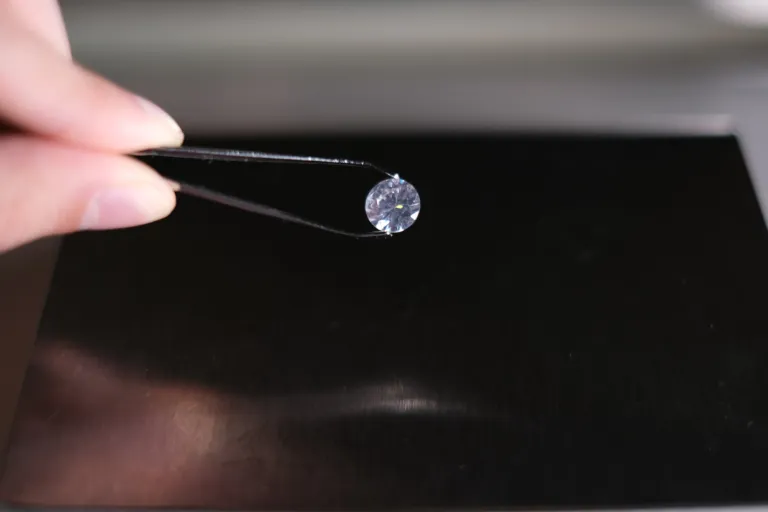
Just remember: A certificate is a guide, not the diamond itself. Always look at high-definition videos or photos of the actual stone. If the diamond sparkles, looks clean to your eye, and the price is right, IGI gives you the peace of mind to make that purchase.
Questions readers ask
What does IGI certified mean?
It means the International Gemological Institute examined the stone and issued a report on its characteristics. It is not a guarantee of value. An IGI-sponsored article traces its roots to Antwerp in 1975, so treat its promotional claims as coming from IGI.
Is an IGI diamond a real diamond?
If the report belongs to that stone and says natural or laboratory-grown diamond, yes. Lab-grown stones are real diamonds, as GIA explains. Check the report number and ask a jeweler to confirm the stone matches.
Does GIA still grade lab-grown diamonds?
Yes, but differently. GIA announced in June 2025 that it would stop using its natural diamond color and clarity terms on lab-grown stones. Its current service classifies stones as Premium or Standard and laser inscribes "Laboratory-Grown" with a GIA number.
How do I verify an IGI report?
Use the lookup on IGI's own site, typing the address yourself. One retailer guide advises matching every field against the paper and reading the girdle inscription under 10x magnification. If anything differs, ask the seller to explain before you pay.
Will the same diamond get the same grade at IGI and GIA?
Not necessarily. Grading involves human judgment and each lab has its own standards. This guide notes that grades can differ by lab, so compare the stones themselves instead of treating two labels as equal.
Does an IGI report tell me what the diamond is worth?
No. GIA makes the general point that a grading report does not state monetary value, while an appraisal estimates it. For insurance or selling, read our appraisal guide.
Sources
- GIA: New Descriptive Terminology for Laboratory-Grown Diamonds
- GIA: Laboratory-Grown Diamond Services
- GIA 4Cs: Simulants, Moissanite and Lab-Grown Diamonds
- GIA 4Cs: What Is the Difference Between a Diamond Grading Report and an Appraisal?
- National Jeweler, sponsored by IGI: The vital role of IGI
- Liori Diamonds (retailer): GIA vs IGI for Lab-Grown Diamonds, How to Read and Verify a Report